
TL;DR:
- Event decor influences guest emotions, movement, and engagement through visual, spatial, and sensory elements. Proper lighting and spatial planning are key to creating memorable atmospheres and smooth guest experiences. Successful decor balances aesthetics with functionality, guided by a cohesive narrative and purposeful design choices.
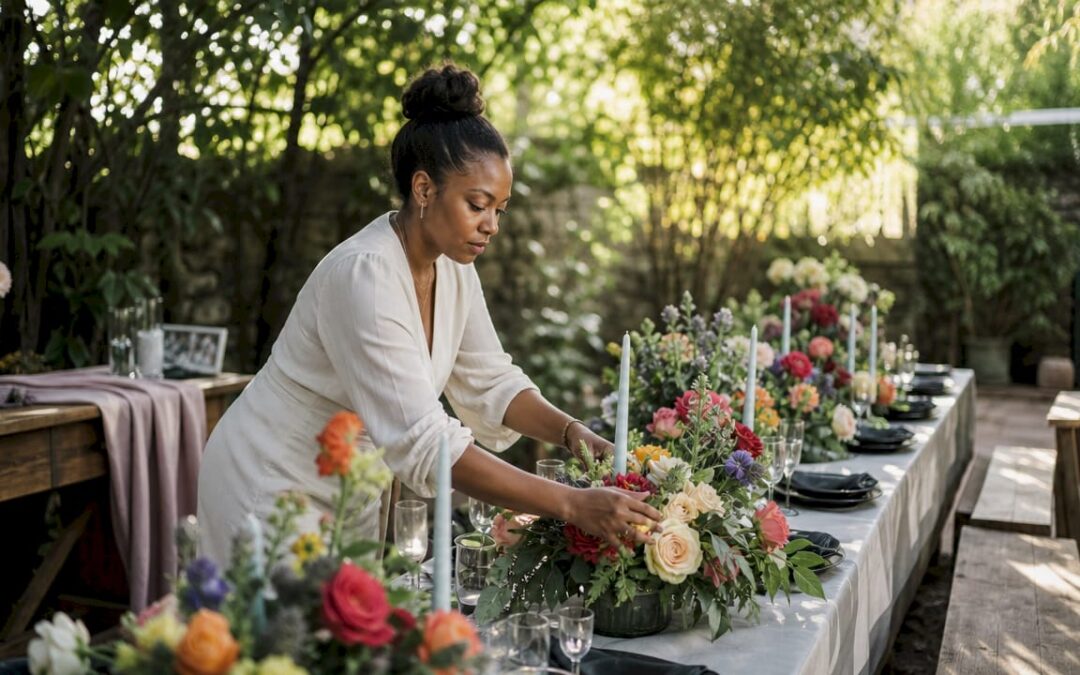
Event décor is defined as the deliberate arrangement of visual, spatial, and sensory elements to shape the atmosphere, guide guest behaviour, and create emotional engagement throughout an occasion. The role of decor in events extends far beyond aesthetics. It functions as what designers call emotional architecture, a term for how physical environments cue specific feelings and direct human responses. Whether you are planning a Cape Town wedding, a corporate product launch, or a bespoke celebration, your decor choices determine how guests feel, move, and remember the experience. Get it right, and an ordinary venue becomes a world of its own.
How does lighting design shape mood and engagement?
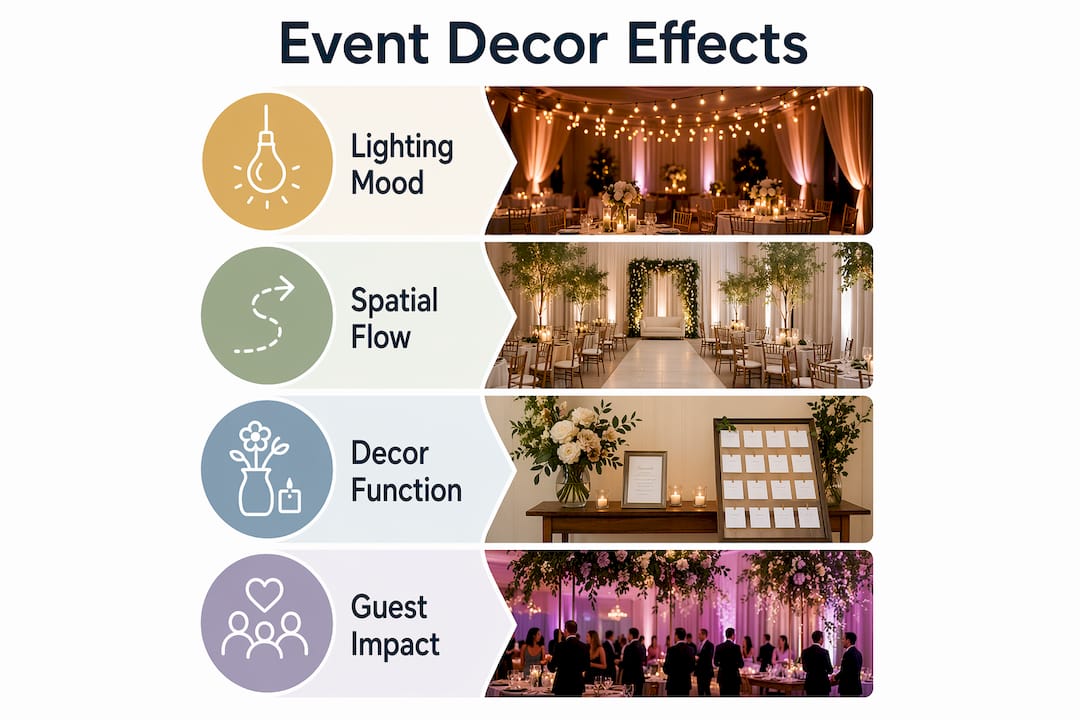
Lighting is the single most powerful decor tool available to event planners. Approximately 70% of total audience engagement is directly driven by dynamic lighting design. That figure means your lighting plan carries more weight than your florals, your table settings, or your centrepieces combined.
Warm versus cool light
Colour temperature determines the emotional register of a space. Warm tones create comfort and intimacy, making them ideal for wedding receptions, gala dinners, and social celebrations. Cool tones enhance alertness and project professionalism, which suits corporate conferences, product launches, and award ceremonies. Choosing the wrong temperature for your event type is one of the most common and costly decor mistakes planners make.
Dynamic lighting and event transitions
Static lighting treats every moment of an event the same. Dynamic lighting, by contrast, shifts intensity and colour to mark transitions, such as moving from a cocktail reception into a seated dinner, or from a keynote address into a networking session. These shifts tell guests, without a word, that the mood has changed. Lighting is the instrument that plays the emotional tone set by your colour palette, and planners who treat it as an afterthought consistently underdeliver on atmosphere.
Pro Tip: Brief your lighting technician on the event’s emotional arc before the day. Give them a running order with mood notes, not just timecodes, so they can adjust dynamically if the programme runs ahead or behind schedule.
How does spatial decor influence guest behaviour?
Decor shapes how guests move through a venue, where they gather, and how long they stay engaged. Intentional spatial planning reduces cognitive load and friction by 50–60% in high-traffic event zones. Guests who can read a space intuitively spend less mental energy navigating it and more time connecting with the event itself.
Guiding movement with visual cues
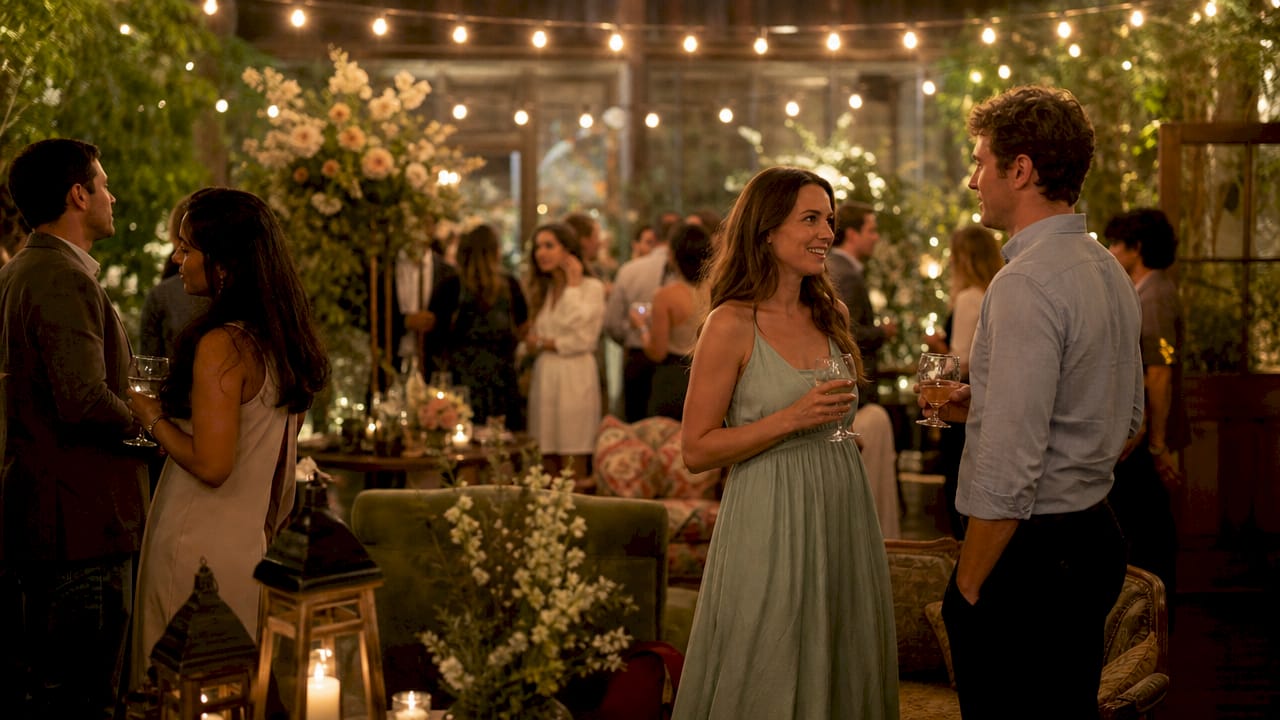
Decor elements act as silent signage. A floral arch frames an entrance and tells guests where to begin. A change in flooring material or a shift in ceiling height signals a new zone. Draped fabric corridors draw guests forward. None of these require a printed map or a member of staff pointing the way. When visual cues are absent, guests cluster at entrances, avoid peripheral areas, and create bottlenecks that disrupt the event’s rhythm.
Key spatial decor principles to apply:
- Define zones clearly. Use rugs, lighting changes, or furniture groupings to separate the welcome area, dining space, and social lounge.
- Create pathways with purpose. Arrange furniture and decor so that the natural walking route leads guests past key moments, such as a display wall, a bar, or a photo installation.
- Use soft seating strategically. Comfortable seating areas improve guest comfort, encourage interaction, and prolong engagement. A cluster of armchairs signals “stay and talk here.”
- Avoid dead ends. Every zone should connect logically to the next. Guests who feel lost disengage quickly.
Pro Tip: Walk the venue yourself before any furniture arrives. Trace the route a guest would take from arrival to their seat, noting where they would naturally pause or feel uncertain. Those are the spots where decor cues matter most.
Decorative design versus functional design: what is the difference?
These two categories of event decor serve different purposes, and confusing them is the root cause of most decor failures. Decorative design focuses on visual aesthetics; functional design supports guest flow, comfort, and engagement. Successful events balance both.
| Category | Primary purpose | Examples | Risk if overused |
|---|---|---|---|
| Decorative design | Visual impact and first impressions | Florals, table centrepieces, colour palettes, textures | Clutter, confusion, blocked sightlines |
| Functional design | Guest flow, comfort, and usability | Seating layouts, pathway markers, lighting zones | Sterile or uninspiring atmosphere |
| Combined approach | Emotional engagement and smooth experience | Styled seating pods, illuminated pathways, thematic zones | Requires careful planning to avoid conflict |
The most common mistake planners make is filling every surface with decorative elements without considering how guests will move through the space. A towering centrepiece that blocks sightlines across a dining table is decorative design working against functional design. Balancing both ensures effective event decor that impresses visually and functions smoothly. The rule is simple: every decorative element should either serve a functional purpose or occupy a space where it causes no friction.
Luxury event planning applies this principle rigorously. High-end design prioritises fewer, perfectly executed elements with clear emotional intent rather than visual saturation. Less, placed with precision, consistently outperforms more, placed without purpose.
How to apply decor principles across different event types
The importance of event decor shifts depending on the occasion, but the underlying principles remain constant: align every element with the event’s purpose and your guests’ expectations.
-
Weddings. A wedding’s decor must tell a personal story. Start with a clear narrative, whether that is a botanical garden theme, a black-tie glamour aesthetic, or a relaxed vineyard celebration. Every element, from the ceremony arch to the place card holders, should reinforce that narrative. Winelandsfunction recommends elegant wedding themes as the foundation for all decor decisions, because a theme gives your decorator a brief they can execute with consistency.
-
Corporate events. Brand continuity is the governing principle. Colour palettes, signage, and spatial design should all reflect the company’s visual identity. A product launch benefits from a reveal zone with controlled lighting and a clear sightline to the focal point. A conference needs clear wayfinding, comfortable breakout seating, and lighting that keeps delegates alert without feeling clinical. Corporate event best practices consistently show that decor which reinforces brand identity increases perceived professionalism and delegate satisfaction.
-
Bespoke celebrations. These events, whether a milestone birthday, an anniversary dinner, or a private gala, offer the greatest creative freedom and the highest risk of incoherence. The solution is the use of thematic zones, or what designers call experience pods. Each pod within the venue triggers a distinct emotion: a candlelit lounge for intimate conversation, a vibrant cocktail bar for energy and socialising, a softly lit dining space for warmth and connection. Guests move between moods as they move through the space.
-
Outdoor and hybrid events. Natural settings require decor that works with the environment rather than against it. Use the existing landscape as a backdrop and layer in elements that frame rather than compete. Lighting becomes even more critical outdoors, where ambient light changes throughout the evening and artificial lighting must compensate without feeling harsh.
High-end decor planning begins with a narrative. All visual elements should contribute cohesively to that story rather than stand as individual decorations. When decor lacks a unifying narrative, guests sense the disconnection even if they cannot name it.
Key takeaways
Event decor is most effective when it combines decorative aesthetics with functional spatial design, guided by a clear narrative and anchored by purposeful lighting.
| Point | Details |
|---|---|
| Lighting drives engagement | Dynamic lighting accounts for 70% of audience engagement and sets the emotional tone of any event. |
| Spatial planning reduces friction | Intentional flow design cuts guest confusion by 50–60%, keeping attention on the event rather than navigation. |
| Balance decorative and functional | Every decor element should impress visually or serve a practical purpose, ideally both. |
| Narrative gives decor coherence | A clear theme or story ensures all visual elements work together rather than competing for attention. |
| Fewer elements, greater impact | Luxury event design prioritises well-executed pieces over volume, maximising emotional resonance. |
Decor planning: what I have learnt from working with real events
The most persistent mistake I see is planners treating decor as a finishing touch rather than a structural decision. By the time florals and centrepieces are ordered, the spatial layout is already fixed, the lighting rig is booked, and the opportunity to create genuine emotional flow has largely passed. Decor planning belongs at the beginning of the process, not the end.
The second thing I have learnt is that guests do not remember individual decorative elements. They remember how a space made them feel. A guest will tell you the wedding was “magical” or the corporate dinner felt “impressive,” but they rarely cite the specific centrepiece that created that impression. What they are actually describing is the cumulative effect of lighting, spatial comfort, and thematic consistency working together. That is emotional architecture in practice.
My advice: collaborate with your decorator and planner from the first briefing, not after the venue is booked. Share the event’s emotional objectives, not just its aesthetic preferences. Tell them how you want guests to feel at arrival, at the peak moment, and as they leave. That brief produces far better results than a mood board full of images without context. Professional decor planning shifts an event from transactional to transformational, and that shift starts with the quality of the brief you give.
— Coert
How Winelandsfunction brings your event decor vision to life
Winelandsfunction specialises in luxury event planning across Cape Town and the Winelands, coordinating every element of decor and design from the initial concept through to the final execution.
The team at Winelandsfunction approaches each event with a clear design narrative, ensuring that lighting, spatial flow, and decorative elements work together to create the atmosphere you have envisioned. Whether you are planning an intimate celebration or a large-scale corporate function, their event planning process covers every detail with the precision that luxury occasions demand. For bespoke and high-end events, their luxury bespoke services offer fully tailored decor planning aligned with your personal or brand narrative. Get in touch to begin building an event that guests will remember long after the evening ends.
FAQ
What is the role of decor in events?
Event decor shapes the atmosphere, guides guest behaviour, and creates emotional engagement throughout an occasion. It combines aesthetic elements with functional spatial design to transform a venue into an immersive experience.
How does lighting affect event atmosphere?
Lighting drives approximately 70% of total audience engagement and sets the emotional tone of a space. Warm tones create intimacy, while cool tones project alertness and professionalism.
What is the difference between decorative and functional decor?
Decorative design focuses on visual impact through florals, textures, and colour palettes. Functional design supports guest flow, comfort, and movement. Effective event decor balances both to avoid clutter and maintain engagement.
How do experience pods work in event design?
Experience pods are distinct thematic zones within a venue, each designed to trigger a specific emotion or activity. They guide guests through a sequence of moods, enhancing memory and overall satisfaction.
How many decor elements should an event have?
Luxury event design prioritises fewer, well-executed elements over visual saturation. Each piece should serve a clear decorative or functional purpose, and the overall selection should be guided by a single coherent narrative.
Recommended
- Complete Guide to the Role of Event Design – Winelands Function – For Every Occasion, Your Celebration
- How to customise guest experience for luxury events – Winelands Function – For Every Occasion, Your Celebration
- Role of Floral Design: Elevating Event Experiences – Winelands Function – For Every Occasion, Your Celebration
- Elegant decor ideas for bespoke Cape Town celebrations – Winelands Function – For Every Occasion, Your Celebration