
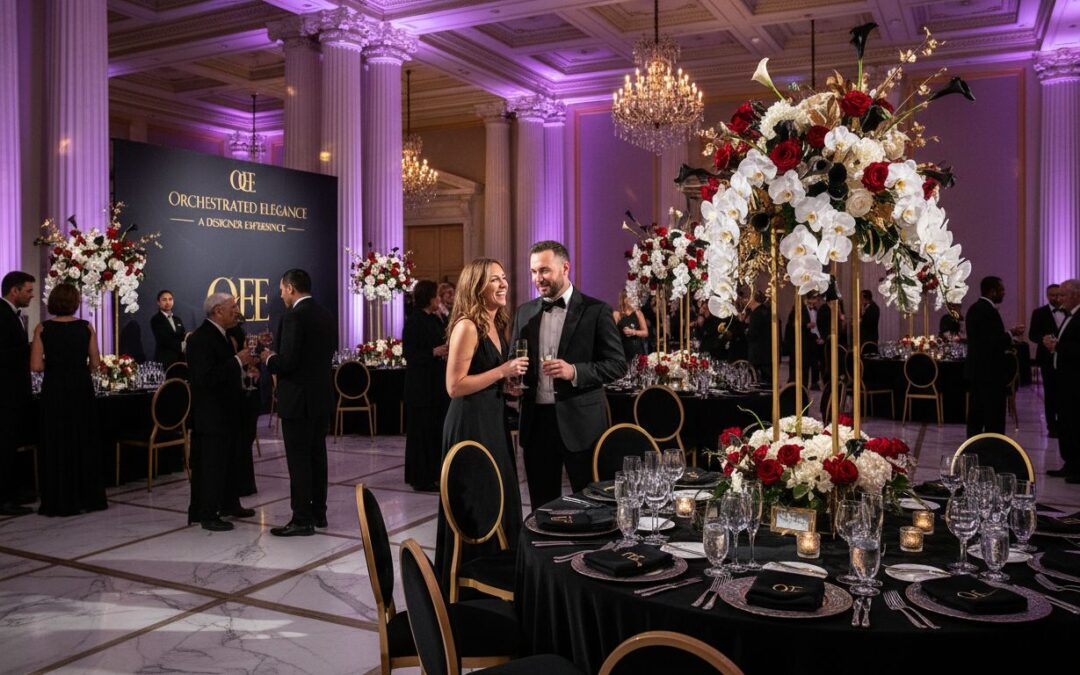
Over 80 percent of british event planners agree that exceptional design is what separates a forgettable gathering from a showstopping experience. Whether hosting a chic London soiree or an elaborate countryside gala, every detail matters when shaping an event that guests remember for years. Understanding the principles behind event design gives you the foundation to craft impactful moments that elevate both private celebrations and grand corporate affairs.
Table of Contents
- Defining Event Design And Its Importance
- Types Of Event Design For Luxury Occasions
- Core Elements And Processes In Event Design
- Impact Of Event Design On Guest Experience
- Common Pitfalls And How To Avoid Them
Key Takeaways
| Point | Details |
|---|---|
| Importance of Event Design | Event design transforms gatherings into memorable experiences through strategic orchestration of elements. It encompasses both tangible and intangible components influencing attendees’ emotional responses. |
| Types of Luxury Events | Luxury event design focuses on bespoke experiences tailored for elite clients, including corporate events, milestone celebrations, and weddings. Each type necessitates a unique approach to achieve opulence and refinement. |
| Psychological Impact | Effective event design shapes guest experiences through sensory engagement and emotional triggers, creating immersive environments that foster active participation and lasting memories. |
| Avoiding Common Pitfalls | Understanding potential design challenges is crucial, including spatial planning and thematic execution, to prevent negative impacts on the overall event experience. |
Defining Event Design and Its Importance
Event design represents the strategic orchestration of visual, spatial, and sensory elements that transform ordinary gatherings into extraordinary experiences. According to VTechWorks, this discipline encompasses both tangible and intangible components that profoundly influence attendees’ cognitive and emotional responses.
At its core, event design goes far beyond mere decoration. It is a sophisticated discipline that carefully curates atmospheres, strategically arranges environments, and intentionally crafts interactions to achieve specific emotional and psychological outcomes. As research from Demo indicates, this practice sets the ambiance, reinforces branding, and ensures logistical efficiency while creating immersive experiences that resonate deeply with participants.
Key aspects of effective event design include:
- Thoughtful spatial planning
- Strategic color and lighting selections
- Coherent thematic storytelling
- Sensory engagement strategies
- Seamless flow between different event zones
Professional event designers understand that every detail matters. From the moment guests arrive to their final interaction, each element contributes to an overarching narrative.
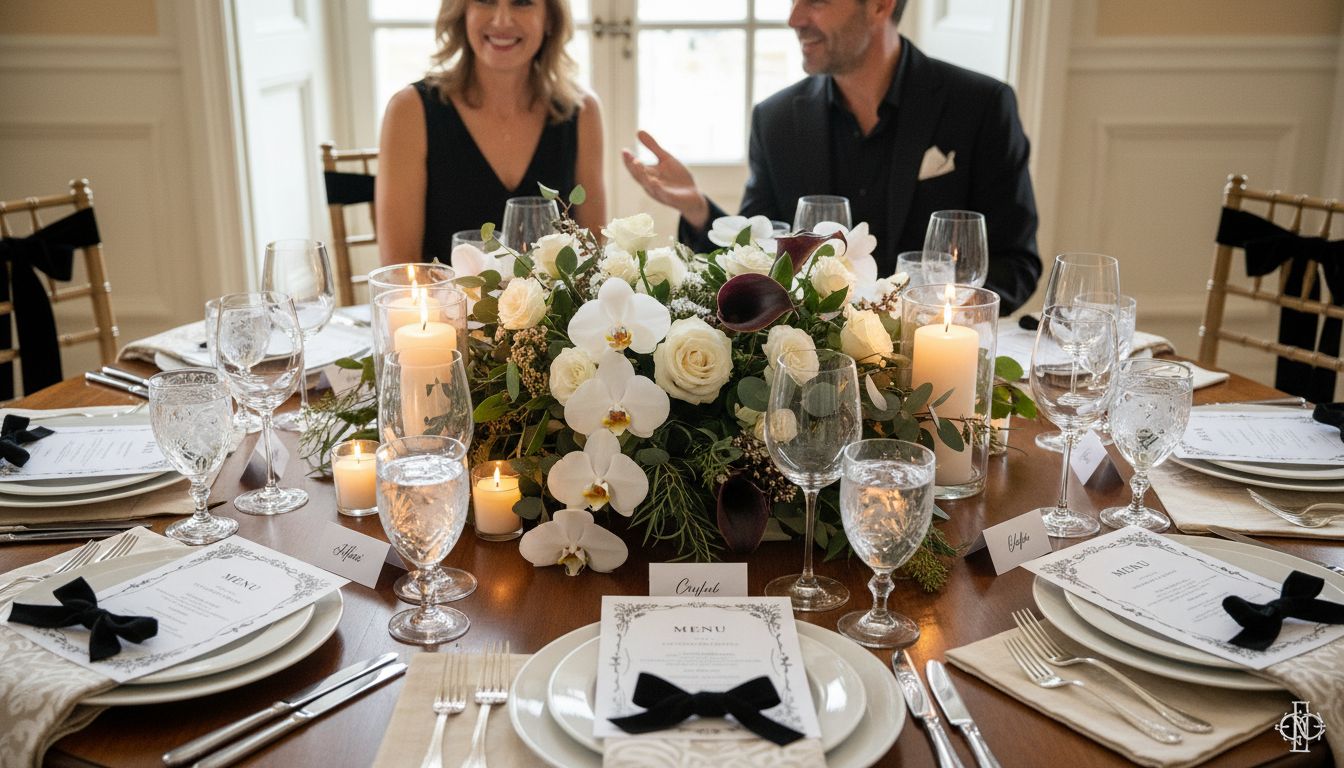 Whether orchestrating an intimate corporate workshop or a grand celebratory gala, the goal remains consistent: to craft memorable, emotionally impactful experiences that exceed expectations and create lasting impressions. Understanding the Event Design Workflow for Stunning Events provides deeper insights into this meticulous process of transforming spaces and moments into extraordinary memories.
Types of Event Design for Luxury Occasions
Luxury event design represents the pinnacle of sophisticated event planning, where every detail is meticulously crafted to create extraordinary, memorable experiences. According to LesRoches, professionals in this field focus on delivering bespoke experiences for elite clients, emphasizing personalized design elements and collaboration with top-tier vendors.
Luxury event design encompasses several distinctive categories that cater to the most discerning clientele. These include:
- Corporate Executive Events: High-end gatherings designed for business leadership
- Milestone Celebrations: Opulent birthday, anniversary, and personal achievement events
- Wedding Extravaganzas: Meticulously planned matrimonial experiences
- Gala and Fundraising Soirées: Prestigious social events with refined aesthetics
- Product Launch Experiences: Exclusive brand revelation environments
Each luxury event type demands a unique approach. As research from Learn Business highlights, organizing exclusive VIP events requires crafting personalized invitations, selecting premium venues, and curating unique experiences that cater precisely to high-profile guests’ preferences. Understanding What Makes an Event Luxury provides deeper insights into the nuanced world of luxury event design, where discretion, precision, and extraordinary attention to detail transform ordinary gatherings into unforgettable moments.
Core Elements and Processes in Event Design
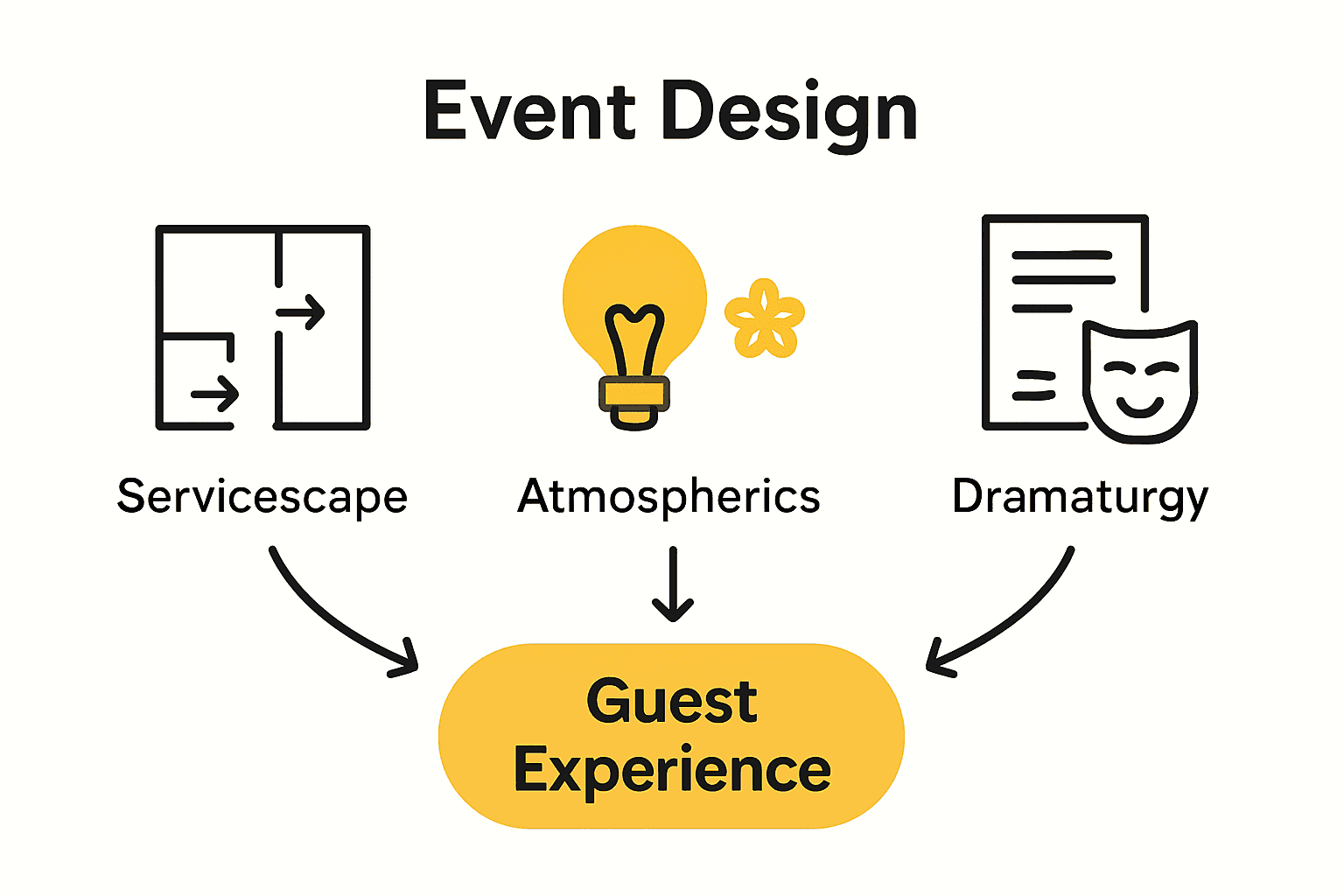
Event design represents a sophisticated orchestration of strategic elements that transform spaces into immersive experiences. According to VTechWorks, the core elements of event design include service/scape, atmospherics, and dramaturgy – components meticulously constructed to enhance attendees’ cognitive and emotional engagement.
The fundamental processes in event design can be categorized into several critical stages:
- Conceptualization: Developing the event’s unique narrative and vision
- Strategic Planning: Mapping out detailed logistics and design elements
- Creative Development: Designing visual and experiential components
- Technical Execution: Implementing design strategies with precision
- Experience Optimization: Fine-tuning and refining event elements
Professional event designers understand that successful execution requires a holistic approach.
VIDEO:video_content] As research from [Demo highlights, effective event design integrates ambiance, branding, attendee engagement, and logistical planning to create seamless, harmonious experiences. Understanding Event Design Terminology Explained offers deeper insights into the nuanced language and techniques that transform ordinary gatherings into extraordinary moments.
Impact of Event Design on Guest Experience
Event design is a powerful psychological tool that profoundly shapes attendees’ perceptions and emotional journeys. According to VTechWorks, thoughtful design elements can significantly influence cognitive and emotional responses, ultimately determining an event’s perceived success and participants’ lasting memories.
The psychological impact of event design manifests through multiple sensory and experiential dimensions:
- Visual Storytelling: Creating narrative landscapes through strategic design
- Emotional Trigger Points: Designing spaces that evoke specific feelings
- Spatial Flow: Orchestrating movement and interaction patterns
- Sensory Engagement: Stimulating multiple perceptual channels
- Contextual Immersion: Crafting environments that transport guests
Strategic event design transforms passive attendance into active participation. As research from Demo highlights, creating immersive environments ensures participants are fully engaged, leading to more impactful and memorable experiences. Complete Guide to Guest Experience Enhancement offers further insights into how meticulously designed environments can turn ordinary gatherings into extraordinary, emotionally resonant moments that guests will cherish long after the event concludes.
Common Pitfalls and How to Avoid Them
Event design is a nuanced discipline where even minor oversights can significantly compromise the entire experience. According to Learn Business, common pitfalls in event planning include neglecting personalized details, underestimating venue requirements, and failing to curate unique, tailored experiences for guests.
The most critical design challenges event professionals must navigate include:
- Inadequate Spatial Planning: Creating congested or inefficient event layouts
- Misaligned Aesthetic Choices: Design elements that clash with event objectives
- Overlooking Guest Comfort: Neglecting practical considerations like seating and flow
- Inconsistent Thematic Execution: Weak or fragmented design narratives
- Poor Technical Integration: Ineffective use of technology and interactive elements
Professional event designers must maintain meticulous standards to prevent potential failures. As research from LesRoches highlights, successful event management demands prioritizing bespoke design, partnering with top-tier vendors, and maintaining strict attention to detail. 7 Essential Event Design Tips for Memorable Experiences provides additional strategic insights for navigating these complex design challenges and creating truly exceptional event experiences.
Elevate Your Event Experience with Expert Event Design
The challenge of transforming ordinary gatherings into unforgettable memories lies in mastering every detail of event design. From thoughtful spatial planning to sensory engagement and seamless thematic flow, the key is crafting emotional and psychological connections with your guests. If you seek to avoid common pitfalls such as misaligned aesthetics or ineffective spatial layouts, understanding and applying proven design principles is essential.
At Winelands Function, we specialise in turning these concepts into reality for luxury weddings, corporate events, and bespoke celebrations. Our precise attention to detail and sophisticated approach ensure your vision becomes a flawless experience. Discover how our expertise complements the insights from the Complete Guide to Guest Experience Enhancement and explore our full range of services on our main site to start planning an event that captivates and resonates.
Create immersive, flawless moments that guests will cherish forever
Are you ready to exceed expectations and design an event that truly connects on every level Discover the art of exceptional event design with Winelands Function. Contact us today to begin your journey towards a uniquely exquisite occasion.
Frequently Asked Questions
What is event design?
Event design is the strategic orchestration of visual, spatial, and sensory elements that transforms ordinary gatherings into extraordinary experiences. It involves curating atmospheres, arranging environments, and crafting interactions to achieve specific emotional and psychological outcomes.
Why is event design important?
Event design is crucial as it sets the ambiance, reinforces branding, and ensures logistical efficiency. Thoughtful design creates immersive experiences that resonate deeply with participants, influencing their cognitive and emotional responses, and ultimately the perceived success of the event.
What are the key elements of effective event design?
Key elements include thoughtful spatial planning, strategic selection of colours and lighting, coherent thematic storytelling, sensory engagement strategies, and ensuring a seamless flow between different event zones for enhanced guest experience.
What are common pitfalls in event design?
Common pitfalls include inadequate spatial planning, misaligned aesthetic choices, overlooking guest comfort, inconsistent thematic execution, and poor technical integration. These challenges can compromise the overall experience, making meticulous planning and attention to detail vital for success.
Recommended
- Complete Guide to Why Use Event Designers – Winelands Function – For Every Occasion, Your Celebration
- Understanding the Role of Event Designers in Success – Winelands Function – For Every Occasion, Your Celebration
- Understanding Event Design Terminology Explained
- Understanding the Event Design Workflow for Stunning Events – Winelands Function – For Every Occasion, Your Celebration