
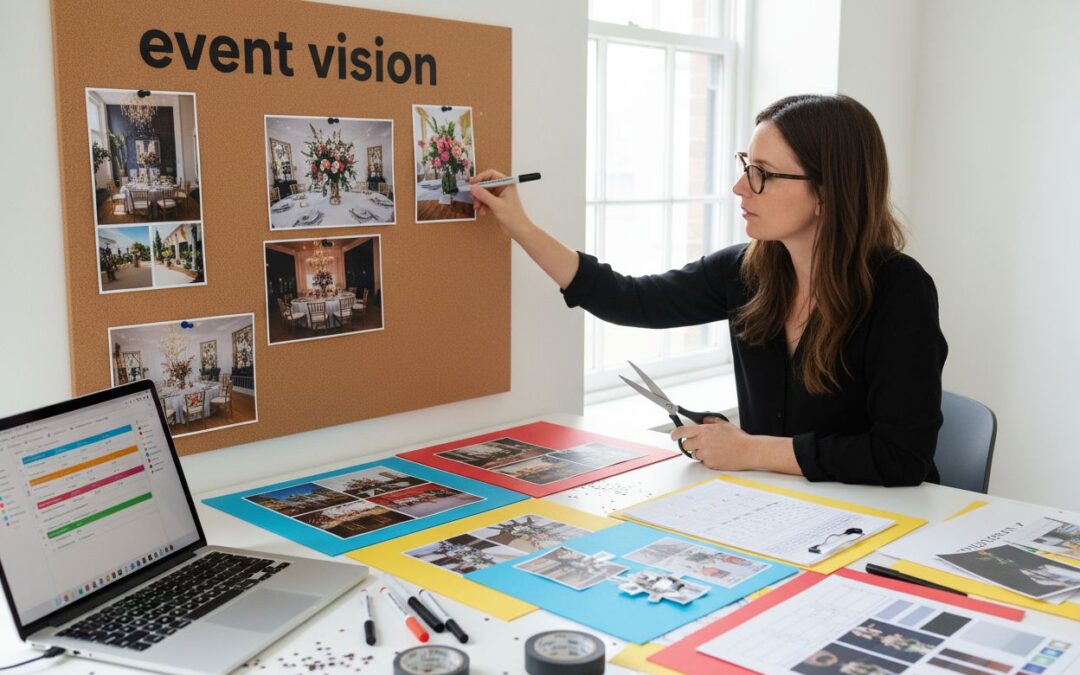
Perfect event experiences do not happen by accident and every remarkable gathering starts with a vision shaped by bold goals. Yet while many assume dazzling venues or luxury services define success, research shows the secret lies elsewhere. Events with clear, measurable objectives are 27 percent more likely to exceed attendee expectations. It is these unseen planning steps, often overlooked in the excitement, that transform ordinary occasions into extraordinary memories.
Below is a step overview table summarising the main stages in curating exceptional event experiences, highlighting each step’s objective and the key outcome to expect.
| Step | Objective | Key Outcome |
|---|---|---|
| 1. Define Vision and Objectives | Clarify purpose and desired results | Clear event direction and measurable goals |
| 2. Identify Target Audience | Understand attendee motivations and expectations | Detailed audience profiles for tailored experiences |
| 3. Select Venue and Services | Match venue and suppliers to aims and needs | Appropriate setting and compatible partners |
| 4. Design Experiences | Create meaningful, engaging activities | Memorable, emotionally resonant moments |
| 5. Implement Logistics | Translate plans into seamless operations | Smooth event delivery and effective coordination |
| 6. Evaluate Feedback | Gather insights to assess impact | Actionable learnings for future improvement |
Table of Contents
- Step 1: Define Your Event Vision And Objectives
- Step 2: Identify Your Target Audience And Their Preferences
- Step 3: Select And Secure The Ideal Venue And Services
- Step 4: Design Engaging Experiences And Activities
- Step 5: Implement Logistical Details And Event Execution
- Step 6: Evaluate Feedback And Assess Event Success
Quick Summary
| Key Point | Explanation |
|---|---|
| 1. Define clear event vision | Establish a precise vision to guide your event planning, ensuring coherence and alignment with your objectives. |
| 2. Understand your target audience | Create detailed audience personas to tailor experiences that resonate emotionally and meet participant needs. |
| 3. Select an appropriate venue | Choose a venue that aligns with your vision and audience preferences, enhancing the overall event atmosphere. |
| 4. Design engaging experiences | Create immersive activities that provoke interaction and emotional connection, making the event memorable. |
| 5. Gather and analyse feedback | Implement a robust feedback system to assess success and inform improvements for future events. |
Step 1: Define your event vision and objectives
Curating exceptional event experiences begins with crystallising a precise and compelling vision. This foundational step transforms abstract ideas into a strategic roadmap that guides every subsequent decision in your event planning journey. Your vision acts as a north star, ensuring that each element aligns seamlessly with your core objectives and desired outcomes.
Starting with clarity means understanding exactly what you want to achieve. Are you creating a corporate milestone celebration that inspires team unity? Planning an intimate wedding that captures personal love stories? Or orchestrating a product launch designed to generate significant market buzz? Each event type demands a nuanced approach to vision setting.
The process of defining your event objectives requires thoughtful introspection and strategic thinking. Begin by asking yourself critical questions: What emotional response do you want guests to experience? What specific outcomes will define success for this particular event? What core messages or feelings should participants take away? Learn more about our comprehensive event design workflow to help refine these initial considerations.
Consider crafting objectives that are specific, measurable, and meaningful. Instead of vague goals like “have a good event,” articulate precise targets. For a corporate event, this might mean “generate 50 qualified leads” or “increase team engagement by 30%”. For a wedding, objectives could include “create an unforgettable celebration that reflects our unique relationship” or “ensure guests feel deeply connected to our personal journey”.
Remember that your vision is not just a statement but a strategic framework. It will influence everything from venue selection and design aesthetics to guest experience and logistical planning. A well-defined vision provides coherence and purpose, transforming an ordinary gathering into an extraordinary, memorable experience that resonates deeply with participants long after the event concludes.
Step 2: Identify your target audience and their preferences
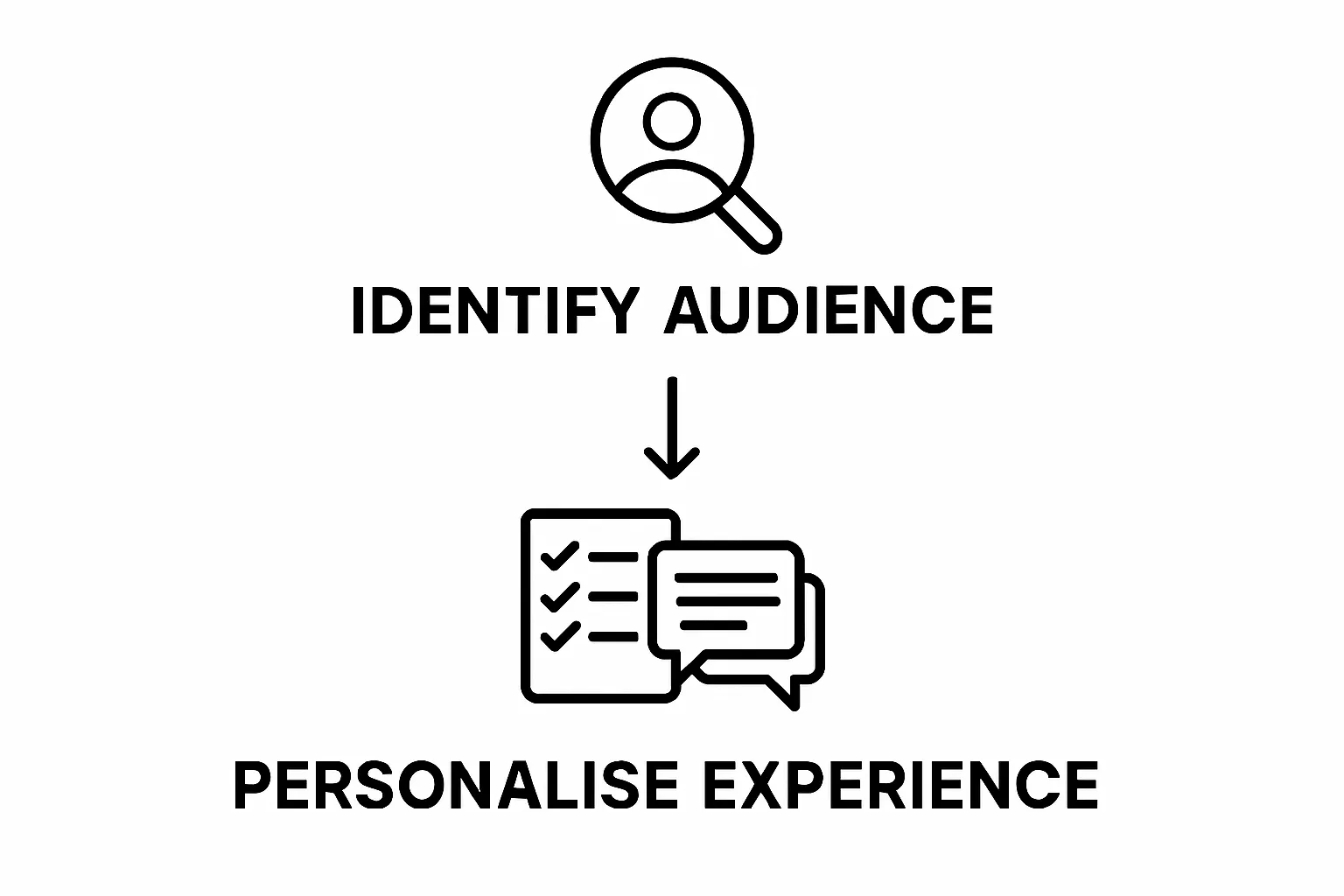
Understanding your target audience represents the critical bridge between event vision and successful execution. This step transforms your abstract objectives into a laser-focused experience that resonates deeply with participants.
The art of audience identification goes far beyond demographic statistics – it demands genuine empathy and strategic insight into who will be experiencing your meticulously crafted event.
Start by developing comprehensive audience personas that capture more than basic details. Consider not just age and professional background, but psychological and emotional dimensions. What motivates your attendees? What challenges do they face? What experiences have they previously found memorable or disappointing? These nuanced insights will become the foundation of your event design strategy.
Explore our bespoke event setup process to understand how personalisation transforms standard gatherings into extraordinary experiences. Each audience segment requires a tailored approach. A corporate leadership retreat demands different engagement strategies compared to a milestone birthday celebration or a product launch networking event.
Critical audience research involves multiple intelligence gathering methods. Conduct preliminary surveys, review past event feedback, engage in direct conversations with potential attendees, and analyse demographic trends relevant to your specific event type. Pay close attention to communication preferences, technological comfort levels, cultural expectations, and potential accessibility requirements.
Successful audience identification means anticipating and proactively addressing participant needs before they become apparent. This might involve selecting venues with appropriate amenities, designing interactive elements that match energy levels, or creating networking opportunities that feel natural and engaging. Your goal is to craft an environment where attendees feel not just welcomed, but genuinely understood and valued.
Ultimately, audience research is an ongoing dialogue. Be prepared to remain flexible and responsive, recognising that audience expectations evolve. A truly exceptional event experience emerges from this delicate balance of strategic planning and genuine human connection.
Step 3: Select and secure the ideal venue and services
Selecting the perfect venue represents the pivotal moment where your event vision transforms from concept to tangible reality. This crucial step requires a meticulous blend of strategic planning, creative imagination, and practical consideration. The right venue does more than simply house your event – it becomes an integral character in your event’s narrative, setting the tone, atmosphere, and emotional landscape for every participant.
Begin your venue exploration by cross-referencing your previously defined event objectives and audience preferences. Location, capacity, and infrastructure are fundamental criteria, but truly exceptional venues offer something more nuanced – an intrinsic ability to amplify your event’s core purpose. Learn more about our comprehensive venue selection process to refine your approach and uncover hidden considerations.
Beyond physical space, evaluate potential venues through a holistic lens. Consider technical capabilities like audiovisual equipment, internet connectivity, acoustic properties, and potential layout configurations. For corporate events, technological infrastructure might be paramount. Wedding celebrations might prioritise aesthetic charm and photographic potential. Product launches could require precise spatial dynamics that support presentation and networking.
Service selection runs parallel to venue procurement. Seek service providers who demonstrate not just technical competence, but genuine alignment with your event’s vision. This means catering teams who understand culinary storytelling, technical crews capable of creating immersive experiences, and support staff who can intuitively adapt to your event’s unique rhythm.
Negotiation becomes an art form in this stage. Request comprehensive quotes, understand cancellation policies, and clarify every potential additional cost. Transparent communication prevents unexpected financial surprises and builds trust with service providers. Your goal is creating a collaborative partnership where vendors are invested in delivering an extraordinary experience alongside your vision.
Verify your selections by creating a detailed comparison matrix that objectively rates each venue and service provider against your core requirements. This systematic approach transforms intuitive decision-making into a structured, confidence-building process that ensures you select options perfectly calibrated to your event’s unique needs.
Step 4: Design engaging experiences and activities
Designing engaging experiences represents the transformative heart of event curation, where strategic planning evolves into immersive, memorable moments. This step transcends traditional event programming, focusing instead on creating emotional landscapes that resonate deeply with participants and spark genuine connection. Your activities must do more than fill time – they should tell a story, provoke interaction, and leave lasting impressions.
Begin by mapping experiences that align seamlessly with your previously established event vision and audience preferences. Each activity should serve a strategic purpose, whether that means fostering team collaboration, celebrating personal milestones, or generating meaningful professional connections. Explore our comprehensive guide on curated event experiences to understand the nuanced art of experience design.
Consider crafting multi-dimensional experiences that engage different sensory and emotional pathways. For corporate events, this might involve interactive workshops that blend professional development with creative problem-solving. Wedding celebrations could incorporate personalised storytelling stations that allow guests to connect with the couple’s journey. Product launches might feature immersive demonstration zones that transform passive observation into active participant engagement.
The most compelling experiences create space for spontaneous, authentic interactions. This means designing flexible frameworks that allow organic connections to emerge. Implement activities with clear structures but permeable boundaries, enabling participants to shape their own journey. Technology can be a powerful enabler here – interactive digital platforms, augmented reality experiences, or real-time polling can transform passive attendance into dynamic participation.
Pay meticulous attention to pacing and energy management. Alternate between high-intensity interactive moments and reflective, more relaxed periods. This rhythmic approach prevents participant fatigue and maintains consistent engagement. Consider the emotional arc of your event, ensuring activities build momentum, create meaningful peaks of connection, and conclude with a sense of resolution or inspiration.
Verify your experience design by stress-testing each activity against core objectives. Will this spark the emotional response we seek? Does it feel authentic to our event’s purpose? Can participants intuitively understand and enjoy the experience? The most exceptional events are those where careful design becomes invisible, allowing pure, unfiltered human connection to take centre stage.
Step 5: Implement logistical details and event execution
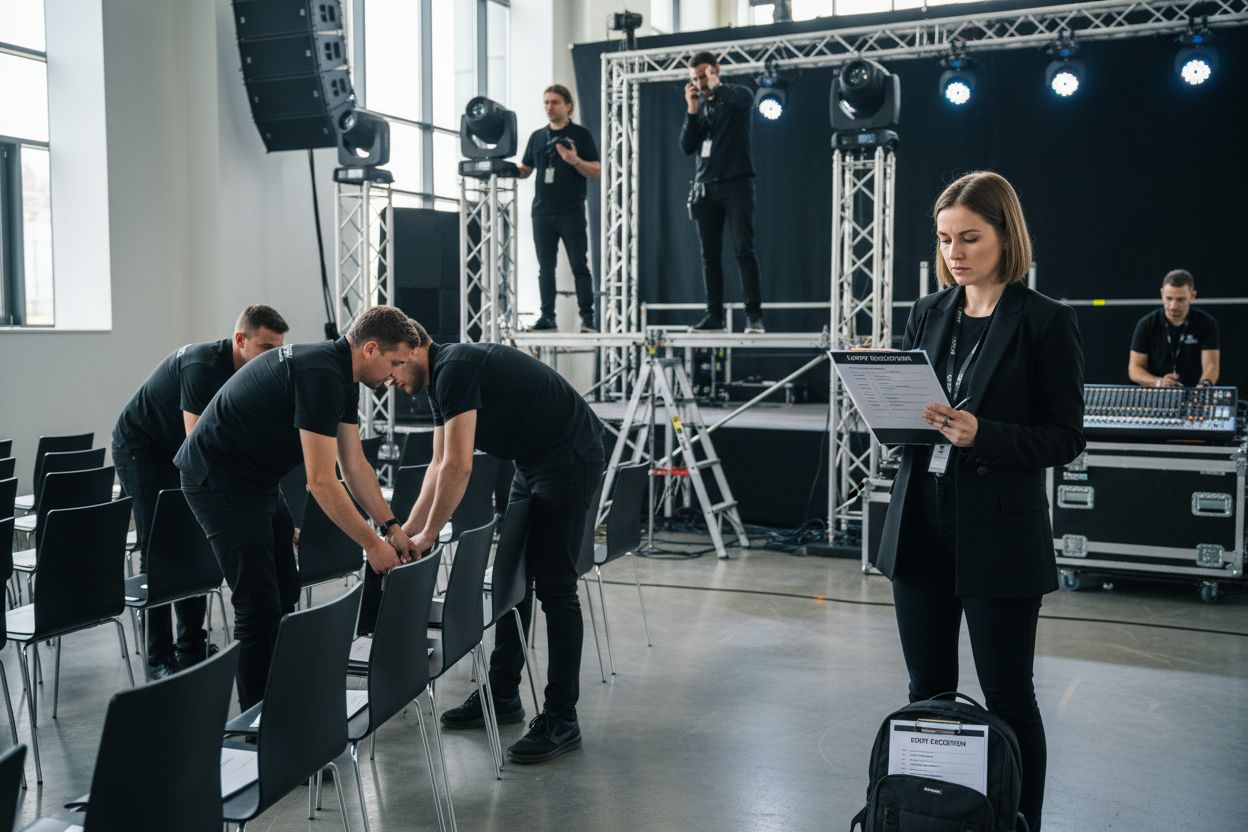
Logistical implementation represents the critical transformation point where meticulously crafted plans become lived experiences. This stage demands surgical precision combined with adaptive flexibility, ensuring every minute detail aligns perfectly while maintaining the capacity to gracefully navigate unexpected challenges. Successful execution is an intricate dance of preparation, coordination, and real-time problem solving.
Discover our comprehensive wedding logistics management approach to understand the nuanced strategies behind seamless event coordination. Developing a comprehensive master timeline becomes your fundamental operational blueprint. This document should outline every single event element with granular specificity – from vendor arrival schedules and equipment setup sequences to precise moment-by-moment activity transitions and contingency protocol.
Create a robust communication infrastructure that ensures instantaneous information flow between all event stakeholders. This means establishing clear communication channels, defining precise roles and responsibilities, and implementing real-time communication technologies. Professional two-way radios, dedicated event management apps, or secure messaging platforms can help coordinate complex logistical movements with unprecedented efficiency.
Prepare comprehensive operational contingency plans that anticipate potential disruptions. Proactive risk management involves developing alternative scenarios for technical failures, weather complications, transportation delays, or unexpected personnel changes. Your contingency planning should be so thorough that potential challenges become mere procedural adjustments rather than catastrophic interruptions.
Maintain a calm, solution-oriented approach during execution. Despite extensive planning, live events invariably present unexpected scenarios. The most exceptional event professionals view these moments not as problems, but as opportunities to demonstrate extraordinary adaptability. Your team’s composure and creative problem-solving become just as crucial as your initial planning.
Verify successful implementation through continuous real-time monitoring and post-event comprehensive review.
The following checklist table provides key verification points to ensure all essential aspects of event logistics and execution are fully covered, supporting flawless event coordination.
| Checklist Item | Description | Completion Status |
|---|---|---|
| Master Timeline Created | Detailed timeline outlining all event stages and transitions | [ ] |
| Vendor Communication Set | Clear channels and roles defined for all suppliers | [ ] |
| Technology Requirements Confirmed | All AV, internet, and technical needs arranged | [ ] |
| Contingency Plans Prepared | Back-up plans developed for possible disruptions | [ ] |
| Real-Time Monitoring in Place | Team assigned for live oversight and issue response | [ ] |
| Post-Event Review Scheduled | Process set for debrief and outcome evaluation | [ ] |
Step 6: Evaluate feedback and assess event success
Feedback evaluation represents the critical reflective phase where raw experience transforms into strategic learning. This final step transcends simple data collection, offering a profound opportunity to understand the emotional resonance and tangible impact of your meticulously curated event. Comprehensive assessment becomes the lens through which future event experiences will be refined and elevated.
Design a multi-dimensional feedback mechanism that captures both quantitative metrics and qualitative emotional insights. This means creating surveys that go beyond superficial ratings, crafting questions that unlock deeper participant perspectives. Explore our event design terminology to understand the nuanced language of participant experience evaluation.
Implement immediate and longitudinal feedback strategies. Immediate post-event surveys capture fresh emotional responses, while follow-up communications conducted weeks later can reveal the lasting impressions and sustained impact of your event. Consider using a mix of digital survey tools, personalised email communications, and potentially even direct phone interviews for key stakeholders.
Analyse feedback through a holistic lens that considers multiple perspective layers. Examine participant responses, but also review feedback from vendors, internal team members, and peripheral stakeholders. Look for patterns that reveal not just surface-level satisfaction, but deeper insights about emotional engagement, logistical efficiency, and overall experience quality.
Transform feedback into actionable strategic intelligence. Successful event curation is an iterative process, where each experience becomes a learning opportunity. Create a structured feedback review process that systematically categorises insights, identifies improvement areas, and develops concrete implementation strategies for future events. This might involve creating a detailed post-event report that breaks down successes, challenges, and specific recommendations.
Recognise that true event success extends beyond immediate participant satisfaction. The most exceptional events create ripple effects – generating conversations, inspiring connections, and leaving lasting emotional imprints that extend far beyond the event’s immediate timeframe. Your ultimate goal is not just to meet expectations, but to create experiences that participants will enthusiastically recount and fondly remember long after the moment has passed.
Ready to Transform Your Vision into an Unforgettable Event?
You have just learnt how a detailed event vision, in-depth audience understanding, and flawless logistics all contribute to memorable experiences. However, turning these sophisticated strategies into reality is where most people face their greatest challenge. Many organisers struggle to personalise moments, select the perfect venue, or maintain seamless coordination on the big day—all while delivering lasting emotional resonance for every guest. The curated approach you have explored is exactly what sets an ordinary event apart from a genuinely spectacular one.
Why wait to bring your ideas to life? At Winelands Function, our team specialises in transforming your event dreams into distinctive, high-end experiences in Cape Town and beyond. Explore our bespoke event setup process and trust us to manage every detail from conception to completion. Visit our main site here to start your journey towards an exceptional, truly personalised celebration today.
Frequently Asked Questions
What are the first steps in curating event experiences?
The first step is to define your event vision and objectives. This involves crystallising a compelling vision that guides your planning and ensures each element aligns with your desired outcomes.
How can I identify my target audience effectively?
To identify your target audience, develop comprehensive audience personas that capture not just demographics but also psychological and emotional dimensions. Conduct surveys, review past event feedback, and engage in conversations to gather insights.
What factors should I consider when selecting a venue for an event?
When selecting a venue, consider location, capacity, and infrastructure. Evaluate the venue’s technical capabilities, aesthetic charm, and alignment with your event’s core purpose to ensure it enhances the overall experience.
How can I design engaging experiences for event attendees?
Engaging experiences should align with your event vision and audience preferences. Craft activities that provoke interaction and tell a story, ensuring they create emotional connections while maintaining a balance between different types of engagement.
Recommended
- What is a Curated Event Experience? An In-Depth Explanation – Winelands Function – For Every Occasion, Your Celebration
- Understanding What Makes an Event Luxury – Winelands Function – For Every Occasion, Your Celebration
- Understanding the Event Design Workflow for Stunning Events – Winelands Function – For Every Occasion, Your Celebration
- 7 Luxury Event Themes to Elevate Your Next Celebration – Winelands Function – For Every Occasion, Your Celebration