
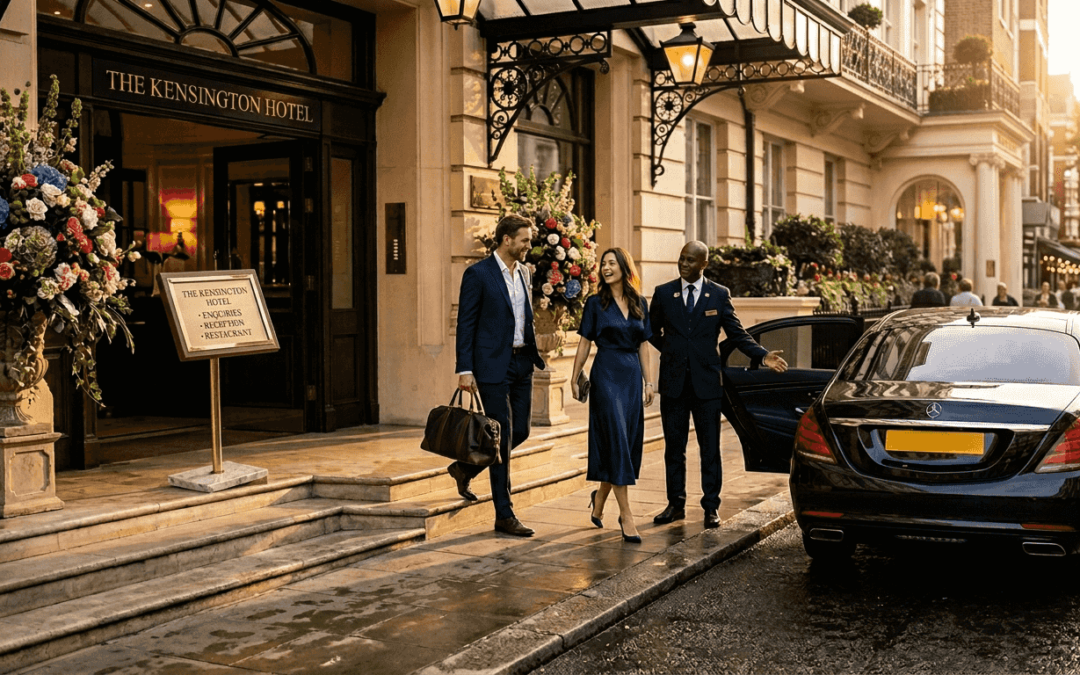
Most event planners believe a polished agenda guarantees success. Yet the finest luxury events in South Africa’s hospitality sector succeed not through schedules alone, but by crafting intentional emotional and physical journeys for every guest. This guide reveals how guest experience design transforms gatherings into unforgettable occasions, integrating cultural richness, multisensory engagement, and measurable business results.
Table of Contents
- Understanding Guest Experience Design
- Crafting The Guest Journey At Luxury South African Events
- Driving Revenue And Satisfaction With Experience Driven Upsells
- Measuring Success And Iterating Guest Experience Design
- Enhance Your Luxury Events With Expert Guest Experience Design
- Frequently Asked Questions
Key takeaways
| Point | Details |
|---|---|
| Guest experience design prioritises emotional journeys over rigid agendas | It orchestrates every touchpoint to evoke specific feelings and lasting memories |
| Cultural integration and multisensory engagement elevate luxury South African events | Authentic local elements and immersive environments create deeper guest connections |
| Experience driven upsells boost revenue and satisfaction simultaneously | South African luxury properties report 1400% ROI within one month using strategic upsells |
| Success metrics include participant stories, NPS scores, and behavioural outcomes | Traditional attendance figures alone fail to capture true event impact |
| Iteration based on guest feedback ensures continuous improvement | Remarkable gatherings emerge from systematically refining each experience element |
Understanding guest experience design
Guest experience design represents a paradigm shift from traditional event planning. Where conventional approaches prioritise logistics and schedules, experience design is the intentional orchestration of every touchpoint before, during, and after a gathering to evoke specific feelings, behaviours, and lasting memories that fulfil both participant needs and organiser goals.
This approach differs fundamentally from top down agenda focused planning. Traditional methods ask, “What activities fill the time?” Experience design asks, “What emotional journey do we want guests to navigate?” The distinction matters profoundly for luxury events where attendees expect transformation, not mere attendance.
Core principles include emotional journey mapping, touchpoint orchestration, and iterative design. Emotional journey mapping charts how guests should feel at each event phase, from anticipation through arrival to post event reflection. Touchpoint orchestration ensures every interaction, whether a welcome greeting or menu selection, reinforces intended emotions. Iterative design treats each event as a learning opportunity, applying feedback to refine future gatherings.
“Experience design transforms events from transactional moments into transformational experiences that guests carry forward long after the final farewell.”
The benefits extend beyond guest satisfaction. Rich, multisensory experiences create stronger memories, driving word of mouth recommendations and repeat attendance. Participants engage more deeply when they feel emotionally invested, leading to better networking outcomes at corporate events and more joyful celebrations at weddings. For luxury event planning, this approach separates memorable from forgettable.
Key components of guest experience design include:
- Multisensory engagement through sight, sound, scent, taste, and touch
- Human centred design placing guest needs and emotions first
- Holistic planning that connects pre event communication with post event follow up
- Cultural and contextual relevance tailored to guest values and expectations
Crafting the guest journey at luxury South African events
The South African hospitality sector increasingly adopts guest experience design, focusing on cultural integration and unique local experiences. This regional approach transforms luxury events by weaving authentic heritage elements into every touchpoint.
Cultural integration must feel genuine, not performative. Consider incorporating indigenous art installations, traditional music performances by local artists, or menus featuring heritage recipes with modern interpretations. These elements resonate emotionally because they connect guests to place and story. A corporate gala in Cape Town gains depth when featuring Khoisan inspired décor or wine pairings from nearby estates, creating memories tied to South African identity.
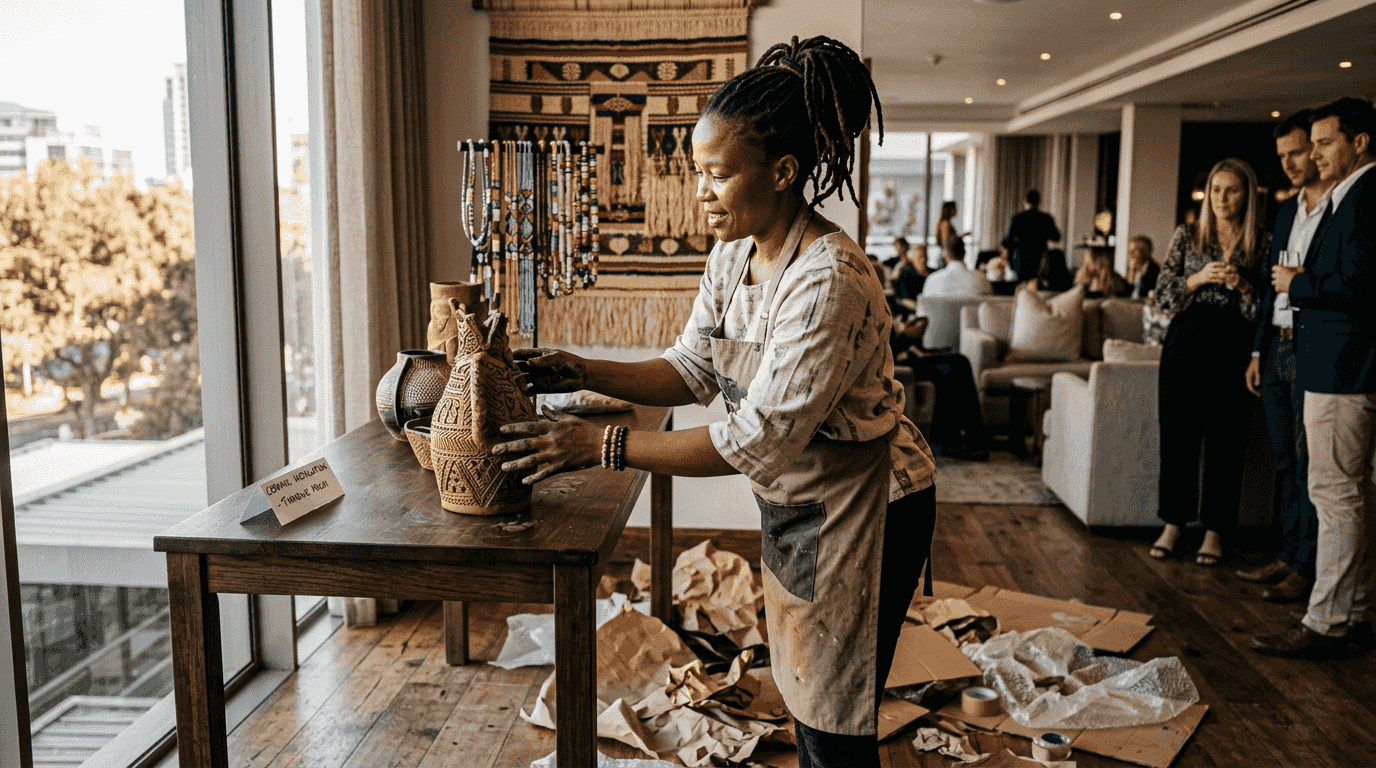
Sustainable and local practices align with contemporary guest values. Source flowers from regional growers, partner with ethical suppliers, and highlight environmental commitments in event materials. Luxury clientele increasingly expect responsibility alongside elegance, and transparent sustainability efforts enhance brand perception whilst supporting local communities.
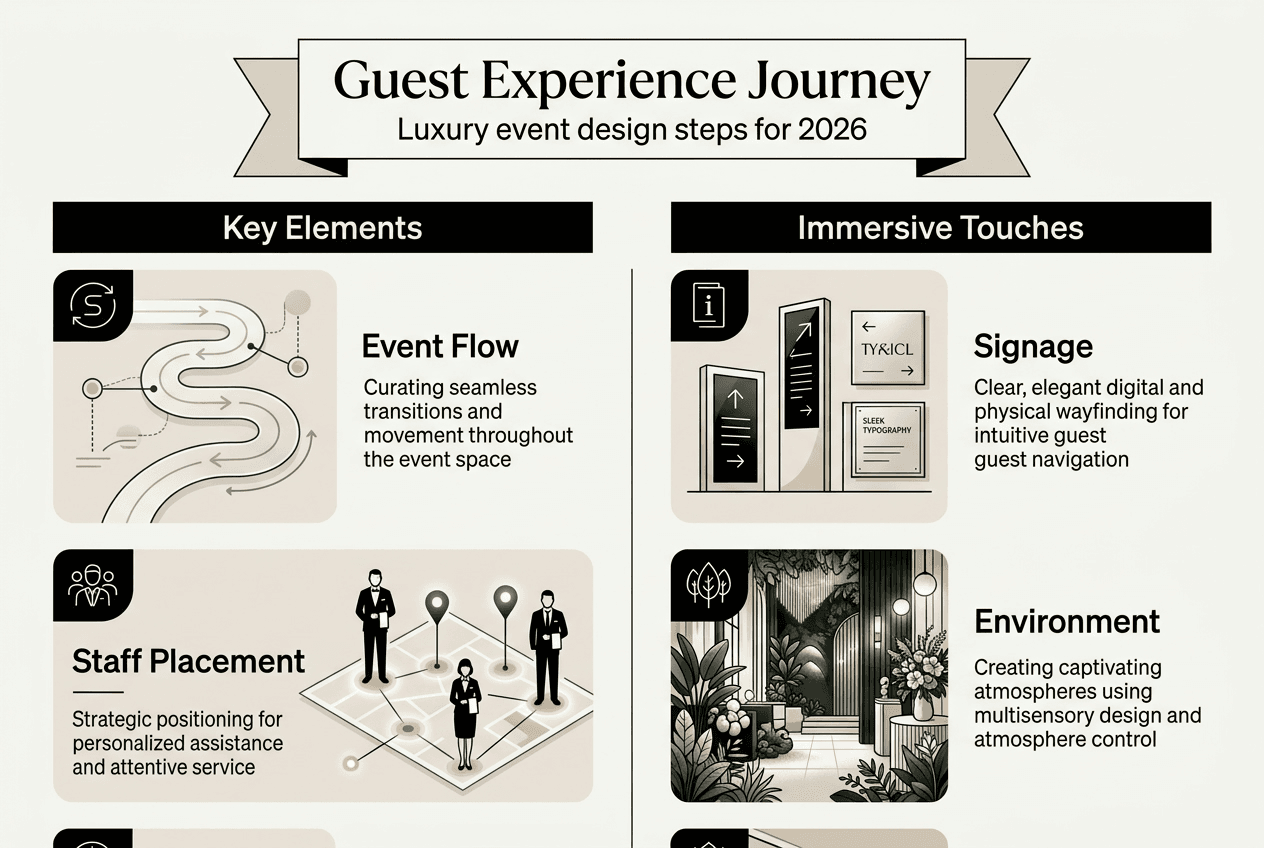
Effective event flow involves strategic staff positioning, clear signage, and immersive environments to guide guests naturally through spaces. Staff stationed at decision points reduce hesitation, whilst directional elements disguised as décor maintain aesthetic coherence. Immersive environments transport guests into curated atmospheres, whether a vineyard inspired reception area or a contemporary art gallery style conference space.
Balancing structure with spontaneity enriches the guest journey. Whilst planned activities provide anchors, intentional downtime allows organic networking and reflection. Non linear experiences, where guests choose their own adventure through stations or breakout sessions, empower autonomy and personalisation. This balance respects that luxury attendees value both curated experiences and individual agency.
Storytelling techniques deepen engagement. Introduce event themes through narrative arcs that unfold across the evening. A corporate launch might frame the new product as a hero’s journey, with each course or presentation revealing another chapter. Weddings can honour couple histories through timeline displays or video vignettes that guests discover throughout the venue.
Pro Tip: Partner with local storytellers or cultural ambassadors to share authentic narratives during your event. A brief, heartfelt story about the venue’s history or regional traditions creates emotional resonance that generic entertainment cannot match, elevating guest service at luxury events.
Practical tactics for smooth South African luxury event flow:
- Position multilingual staff at entrances to welcome diverse international and local guests
- Use ambient lighting transitions to signal event phase changes without disruptive announcements
- Create Instagram worthy moments strategically placed to encourage social sharing
- Offer quiet retreat spaces for guests needing sensory breaks from high energy environments
- Integrate local fauna and flora themes into wayfinding signage for cohesive aesthetic
Driving revenue and satisfaction with experience driven upsells
Implementing experience driven upsells significantly increases revenue and guest satisfaction in the hospitality sector. When positioned as value additions rather than sales pitches, upsells enhance the guest journey whilst boosting bottom lines.
South African luxury properties demonstrate remarkable results. One Sandton hotel achieved 1400% ROI within one month by implementing strategic upsell systems. These outcomes stem from aligning offers with guest desires at optimal moments, transforming transactions into experience enhancements.
The following table illustrates typical upsell revenue data from South African luxury hospitality venues:
| Upsell Category | Average Revenue Increase | Guest Satisfaction Impact | Implementation Ease |
|---|---|---|---|
| Pre arrival room upgrades | 18% per booking | +12 NPS points | High |
| Personalised dining experiences | 22% per guest | +15 NPS points | Medium |
| Spa and wellness packages | 25% per attendee | +18 NPS points | High |
| Exclusive cultural excursions | 30% per booking | +20 NPS points | Medium |
| Bespoke transportation services | 15% per event | +10 NPS points | High |
Best practices for experience driven upsells focus on timing, personalisation, and value communication:
- Present digital pre arrival offers when guests are excited and planning, not checking in
- Use guest data to personalise suggestions based on previous preferences or event type
- Frame upsells as experience enhancements, not additional costs, emphasising emotional benefits
- Train staff to recognise organic upsell moments during conversations, not scripted pitches
- Create package bundles that feel curated and exclusive rather than generic add ons
Pro Tip: Implement automated upsell systems through guest apps or pre event communications to reduce front desk interruptions. Guests appreciate browsing options privately, and digital channels achieve higher conversion rates by allowing considered decision making without pressure. This approach respects guest autonomy whilst maximising experience enhancement opportunities.
The key distinction lies in positioning. Traditional upselling focuses on features, whilst experience driven approaches emphasise transformation. Instead of “Upgrade to a suite for 200 square metres”, frame it as “Wake to panoramic mountain views and start your event day feeling inspired”. This language shift acknowledges that luxury guests purchase feelings and memories, not specifications.
Revenue growth becomes sustainable when guests perceive genuine value. High satisfaction scores following upsell purchases indicate proper alignment between offer and desire. When guests enthusiastically share their enhanced experiences, word of mouth marketing compounds financial returns, creating virtuous cycles of reputation and revenue growth.
Measuring success and iterating guest experience design
Adopting an experience design lens means evaluating success through participant stories, net promoter scores, follow up actions, and community growth, not just attendance numbers. Traditional metrics like headcount and budget adherence matter for logistics, but fail to capture whether guests felt transformed.
Follow these steps to collect and analyse meaningful guest experience data:
- Deploy post event surveys within 48 hours whilst memories remain vivid, asking open ended questions about emotional highlights
- Calculate Net Promoter Score by asking guests how likely they are to recommend your events on a 0 to 10 scale
- Track behavioural outcomes such as referral conversions, repeat bookings, or post event engagement with your brand
- Conduct qualitative interviews with select attendees to understand deeper motivations and unmet needs
- Monitor social media sentiment and unsolicited sharing to gauge authentic enthusiasm versus polite satisfaction
- Compare intended emotional journey maps with actual guest feedback to identify alignment gaps
Multi dimensional success includes emotional resonance, practical outcomes, and community impact. Did corporate attendees form meaningful connections that led to partnerships? Did wedding guests feel they witnessed authentic love and celebration? Did the event strengthen your brand’s reputation within South African luxury hospitality circles? These questions reveal whether your design achieved its purpose.
Iteration transforms good events into exceptional ones. Apply insights systematically by maintaining an experience design database that tracks what worked, what disappointed, and what surprised. Before planning your next gathering, review this knowledge base to avoid repeating mistakes and amplify successful elements. Small refinements compound over time into distinctly superior experiences.
“Reputation and community loyalty emerge not from single spectacular events, but from consistently remarkable gatherings that demonstrate deep understanding of guest needs and continuous commitment to exceeding expectations.”
Avoid common measurement pitfalls. Don’t rely solely on immediate post event euphoria, as true impact often reveals itself days or weeks later through actions taken. Don’t dismiss outlier feedback as irrelevant, since edge cases often highlight systemic issues or opportunities. Don’t measure only what’s easy to quantify, as the most meaningful emotional outcomes resist simple numerical capture.
Create feedback loops that inform real time adjustments. Assign team members to observe guest behaviour and collect informal comments during events, then conduct brief huddles to address emerging issues before they affect more attendees. This agile approach borrowed from experience design methodology ensures you course correct whilst the event unfolds, not afterwards when opportunities vanish.
The most sophisticated luxury event planners maintain guest experience portfolios documenting how design choices influenced outcomes across multiple events. These portfolios become strategic assets, demonstrating your capability to prospective clients whilst providing competitive intelligence about which approaches deliver exceptional results in South African hospitality contexts.
Enhance your luxury events with expert guest experience design
Transforming guest experience design principles into flawlessly executed luxury events requires specialised expertise and deep local knowledge. Winelands Function brings years of experience crafting emotionally resonant gatherings across Cape Town’s most distinguished venues.
Our approach integrates authentic South African cultural elements with contemporary luxury expectations, creating events that honour heritage whilst delivering world class sophistication. We orchestrate every touchpoint, from initial inquiry through post event follow up, ensuring seamless journeys that exceed guest expectations.
Whether you’re planning an intimate corporate retreat or a grand celebration, our team applies proven guest experience design methodologies tailored to your unique vision. We manage logistics invisibly, allowing you to focus on meaningful connections with your guests. Discover how expert event management elevates ordinary gatherings into unforgettable experiences, or explore our bespoke luxury celebration services to begin crafting your next remarkable event. Learn our comprehensive approach through our step by step event planning guide for elegant celebrations.
Frequently asked questions
What distinguishes guest experience design from traditional event planning?
Guest experience design prioritises emotional journeys and holistic touchpoint orchestration rather than mere schedule adherence. Whilst traditional planning focuses on logistics and timing, experience design asks what feelings guests should navigate and how each interaction reinforces those emotions throughout their journey.
How can guest experience design boost revenue at luxury events?
Experience driven approaches create natural opportunities for value aligned upsells that enhance guest satisfaction whilst increasing revenue. South African luxury properties report up to 1400% ROI by positioning upgrades as experience enhancements rather than sales pitches, with guests willingly investing in transformational elements.
What are practical ways to incorporate South African culture into event design?
Authentic cultural integration includes partnering with local artists for live performances, sourcing heritage inspired menus from regional suppliers, and incorporating indigenous design elements into décor. The key is genuine representation that honours traditions rather than superficial tokenism, creating meaningful connections to place and story.
How do you measure the success of guest experience design?
Effective measurement combines quantitative metrics like Net Promoter Scores with qualitative insights from participant stories and behavioural outcomes. Track post event actions such as referrals and repeat bookings, monitor social sentiment, and compare intended emotional journeys with actual guest feedback to identify gaps.
What common pitfalls should be avoided when implementing guest experience design?
Avoid prioritising aesthetics over emotional resonance, as beautiful spaces without intentional feeling architecture remain hollow. Don’t neglect staff training, since poorly prepared team members undermine even brilliant design. Resist over programming every moment, as luxury guests value autonomy and breathing room within curated experiences.
Recommended
- Complete Guide to Guest Experience Enhancement – Winelands Function – For Every Occasion, Your Celebration
- Complete Guide to the Role of Event Design – Winelands Function – For Every Occasion, Your Celebration
- How to Elevate Guest Experience for Luxury Events Easily – Winelands Function – For Every Occasion, Your Celebration
- Guest Service Experience: Elevating Luxury Events – Winelands Function – For Every Occasion, Your Celebration
- The Essential Guide to Luxury Safari in 2025 – Namibia Luxury Safaris | Book Your 2025/2026 Adventure Today