

Over 80 percent of event planners agree that a clear vision is the strongest predictor of a successful event. Whether you are planning an intimate gathering or a major conference, the right approach can turn ideas into unforgettable memories. With so many moving parts and important decisions, knowing where to begin makes all the difference. This guide reveals the proven steps that help you shape seamless, meaningful events from the very first idea to the final farewell.
Table of Contents
- 1. Define Your Event Vision And Objectives
- 2. Set A Realistic Budget For Every Detail
- 3. Choose The Perfect Venue For Your Occasion
- 4. Curate A Memorable Guest Experience
- 5. Craft A Seamless Event Timeline And Flow
- 6. Source Reliable Vendors And Partners
- 7. Incorporate Personalized Touches And Luxury Elements
Quick Summary
| Takeaway | Explanation |
|---|---|
| 1. Define Your Event Vision Clearly | Articulate precise goals to guide planning and strategy effectively. |
| 2. Create a Detailed Budget | Track all expenses and ensure cost control for financial success. |
| 3. Select an Appropriate Venue | Venue choice should reflect event objectives and audience needs. |
| 4. Design a Memorable Guest Experience | Focus on immersive interactions that leave lasting impressions on attendees. |
| 5. Source Reliable Vendors | Vet vendors based on experience and alignment with your event’s vision. |
1. Define Your Event Vision and Objectives
Crafting a crystal-clear vision forms the foundational blueprint for any successful event. Before diving into logistics, you must articulate precisely what you want to achieve and why your gathering matters.
According to the UK Research and Innovation organisation, understanding your event’s purpose and target audience is fundamental to effective planning. This means going beyond surface-level desires and digging deep into the core objectives that will drive your entire event strategy.
Key Elements of Event Vision Development
- Purpose Identification: Determine the primary goal of your event (celebration, networking, product launch)
- Audience Mapping: Understand who will attend and what they expect
- Outcome Expectations: Clarify specific results you want to achieve
As recommended by the University of Pennsylvania’s Graduate School of Education, aligning your event design and budget with your core objectives ensures a cohesive and impactful experience. This means every decision from venue selection to catering should directly support your overarching vision.
Practically speaking, spend time crafting a concise vision statement. Write down 2-3 sentences that capture the essence of what you want to create. Ask yourself: What makes this event unique? What emotional response do I want guests to experience? What tangible outcomes am I seeking?
Remember. A well-defined vision acts like a north star. It guides your planning, helps you make decisive choices, and ultimately creates a memorable experience that resonates with your guests.
2. Set a Realistic Budget for Every Detail
Budgeting is the backbone of successful event planning. Without a clear financial roadmap, even the most spectacular vision can quickly unravel into a fiscal nightmare.
According to the Students’ Union at University College London, comprehensive budget planning requires meticulous attention to both income and expenditure. This means accounting for every potential expense before a single pound is spent.
Critical Budget Breakdown Components
- Fixed Costs: Venue rental, catering, equipment hire
- Variable Expenses: Decorations, entertainment, unexpected contingencies
- Hidden Costs: Staff wages, insurance, transportation
The University of Virginia’s Conference Services recommends creating a detailed spreadsheet that tracks every potential financial element. Start by determining your total budget, then allocate percentages to different aspects of your event.
A practical approach involves adding a 10-15% buffer for unexpected expenses. Sounds excessive? Not when you consider potential last-minute requirements or minor emergencies that could derail your entire event.
Pro tip. Always get multiple quotes from vendors. Negotiate where possible but remember that the cheapest option is not always the best. Quality matters just as much as cost efficiency.
Remember. A well-planned budget is your financial safety net. It transforms potential stress into confident, strategic planning.
3. Choose the Perfect Venue for Your Occasion
Selecting the right venue is more than finding a pretty space. It is the critical foundation that can make or break your entire event experience.
According to the UK Research and Innovation organisation, venue selection must align precisely with your event objectives and audience needs. Think of your venue as the physical canvas where your event vision will come to life.
Critical Venue Selection Factors
- Capacity: Ensures comfortable space for all guests
- Location: Convenient and accessible for attendees
- Amenities: Matches your specific event requirements
- Atmosphere: Reflects the mood and style of your occasion
The University of Virginia’s Conference Services emphasises the importance of choosing a venue that not only fits your budget but meets all logistical requirements. This means looking beyond aesthetics and considering practical elements like parking, sound systems, lighting, and technological capabilities.
Practical tip. Always visit potential venues in person. Photos can be deceiving. Walk the space. Imagine your event unfolding. Check acoustics. Test lighting. Visualise guest flow.
Remember. The perfect venue transforms an ordinary gathering into an extraordinary experience. Choose wisely.
4. Curate a Memorable Guest Experience
A truly exceptional event transcends mere logistics. It creates an immersive journey that lingers in guests’ memories long after the final moment has passed.
According to the UK Research and Innovation organisation, understanding audience expectations is fundamental to crafting an engaging experience. This means thinking beyond surface level interactions and designing moments that genuinely connect with attendees.
Key Experience Design Elements
- Personal Touches: Customise interactions and details
- Interactive Moments: Create opportunities for engagement
- Sensory Stimulation: Engage multiple senses
- Emotional Resonance: Design for meaningful connections
The University of Pennsylvania’s Graduate School of Education recommends developing a meticulous timeline that ensures every event element contributes to a cohesive guest journey. This approach transforms random moments into a carefully orchestrated narrative.
Practical insight. Think of your event like a story. Each interaction is a chapter. Each detail a paragraph. Your goal? Write an experience guests will want to read again and again.
Remember. Exceptional experiences are not accidents. They are intentionally crafted symphonies of emotion and interaction.
5. Craft a Seamless Event Timeline and Flow
A meticulously planned timeline transforms potential chaos into a symphony of perfectly orchestrated moments. Without strategic planning, your event risks becoming a disconnected series of random occurrences.
The University of Pennsylvania’s Graduate School of Education recommends leveraging project management tools to assign clear roles and create a comprehensive timeline. Think of your event like a complex dance where every participant knows their precise step and moment.
Essential Timeline Components
- Pre Event Planning: Detailed scheduling and role allocation
- Minute-by-Minute Breakdown: Precise activity sequencing
- Contingency Buffers: Built-in flexibility for unexpected changes
- Communication Protocols: Clear channels for real-time coordination
According to the Students’ Union at University College London, comprehensive planning includes crucial approval processes and registration forms to maintain structural integrity.
Practical insight. Treat your timeline like a living document. Rehearse. Anticipate potential disruptions. Build in breathing room. Your goal is smooth transitions that feel effortless yet are meticulously planned.
Remember. A great timeline is invisible. Guests should experience magic not mechanics.
6. Source Reliable Vendors and Partners
Your event’s success hinges on the quality of your vendors. Choosing the right partners is like assembling a world class team where each member plays a crucial role in creating magic.
According to the UK Research and Innovation organisation, for larger events, professional conference organizing companies can provide critical administrative and logistical support that transforms good events into extraordinary experiences.
Vendor Selection Criteria
- Track Record: Proven history of successful events
- Portfolio Compatibility: Style and quality match your vision
- Communication Skills: Responsive and collaborative partners
- Pricing Transparency: Clear contracts with no hidden costs
The University of Virginia’s Conference Services recommends thorough evaluation of service providers to ensure they meet both your event requirements and budget constraints. This means looking beyond initial pricing and assessing total value.
Practical insight. Request comprehensive portfolios. Schedule face-to-face meetings. Ask for references. Listen to your instincts. A perfect vendor relationship feels like a collaborative partnership not a transactional exchange.
Remember. Great vendors are not just service providers. They are co creators of your event’s story.
7. Incorporate Personalized Touches and Luxury Elements
Luxury is not about extravagance. It is about creating moments that feel uniquely crafted just for you. The difference between a good event and an extraordinary one lies in those subtle personalized details.
According to the UK Research and Innovation organisation, tailoring event elements to audience preferences can dramatically enhance engagement and create memorable experiences.
Personalization Strategies
- Individual Recognition: Custom welcome experiences
- Thoughtful Details: Tailored menu selections
- Interactive Elements: Personalized engagement opportunities
- Sensory Experiences: Unique atmospheric touches
The University of Pennsylvania’s Graduate School of Education recommends aligning every design element with your core event objectives to create a cohesive and meaningful experience.
Practical insight. Think beyond generic. A handwritten note. A signature cocktail. A playlist that tells a story. These are the moments guests will remember.
Remember. Luxury is not about spending more. It is about creating experiences that feel intentional and extraordinary.
This table summarises the key strategies and considerations for planning a successful event, as detailed in the article.
| Main Focus | Key Points & Actions | Benefits/Outcomes |
|---|---|---|
| Event Vision and Objectives | Define a clear vision and identify purpose, audience, and outcome expectations. | Provides focus and guides all planning decisions. |
| Budget Setting | Develop a comprehensive budget, accounting for fixed, variable, and hidden costs. Add a contingency buffer. | Ensures financial preparedness and reduces stress. |
| Venue Selection | Choose a venue that aligns with event objectives and audience needs. Consider capacity, location, and amenities. | Enhances guest experience and supports logistical requirements. |
| Guest Experience | Create personalised, interactive, and sensory moments that resonate emotionally. | Builds memorable and engaging guest experiences. |
| Event Timeline and Flow | Use project management tools for precise scheduling and role allocation with contingencies. | Transforms chaos into a seamless and orchestrated event. |
| Vendor and Partner Sourcing | Select vendors with proven track records and compatibility. Ensure clear communication and pricing transparency. | Establishes effective collaborations, supporting event quality and budget adherence. |
| Personalised Touches and Luxury | Incorporate unique, customised details that enhance the overall experience. | Elevates the event from good to extraordinary by creating intentional experiences. |
Elevate Your Event Planning with Expert Luxury Services
Planning an unforgettable event involves perfect vision, flawless budgeting, and seamless coordination. The article highlights challenges such as setting clear objectives, managing a realistic budget, and sourcing reliable vendors that truly align with your personalised vision. If you want to transform these essential steps into a spectacular experience filled with unique touches and impeccable flow, our team at Winelands Function can help.
We specialise in crafting high-end occasions that capture your event’s emotions and goals while managing every detail with care and elegance. From selecting the perfect venue to designing personalised moments that resonate deeply with your guests, discover how our expertise turns complexity into effortless luxury. Explore our portfolio and client testimonials on Winelands Function to see why our bespoke service is the choice for discerning hosts.
Planning your next extraordinary wedding, corporate event or bespoke celebration starts here.
Ready to bring your vision to life with confidence and style
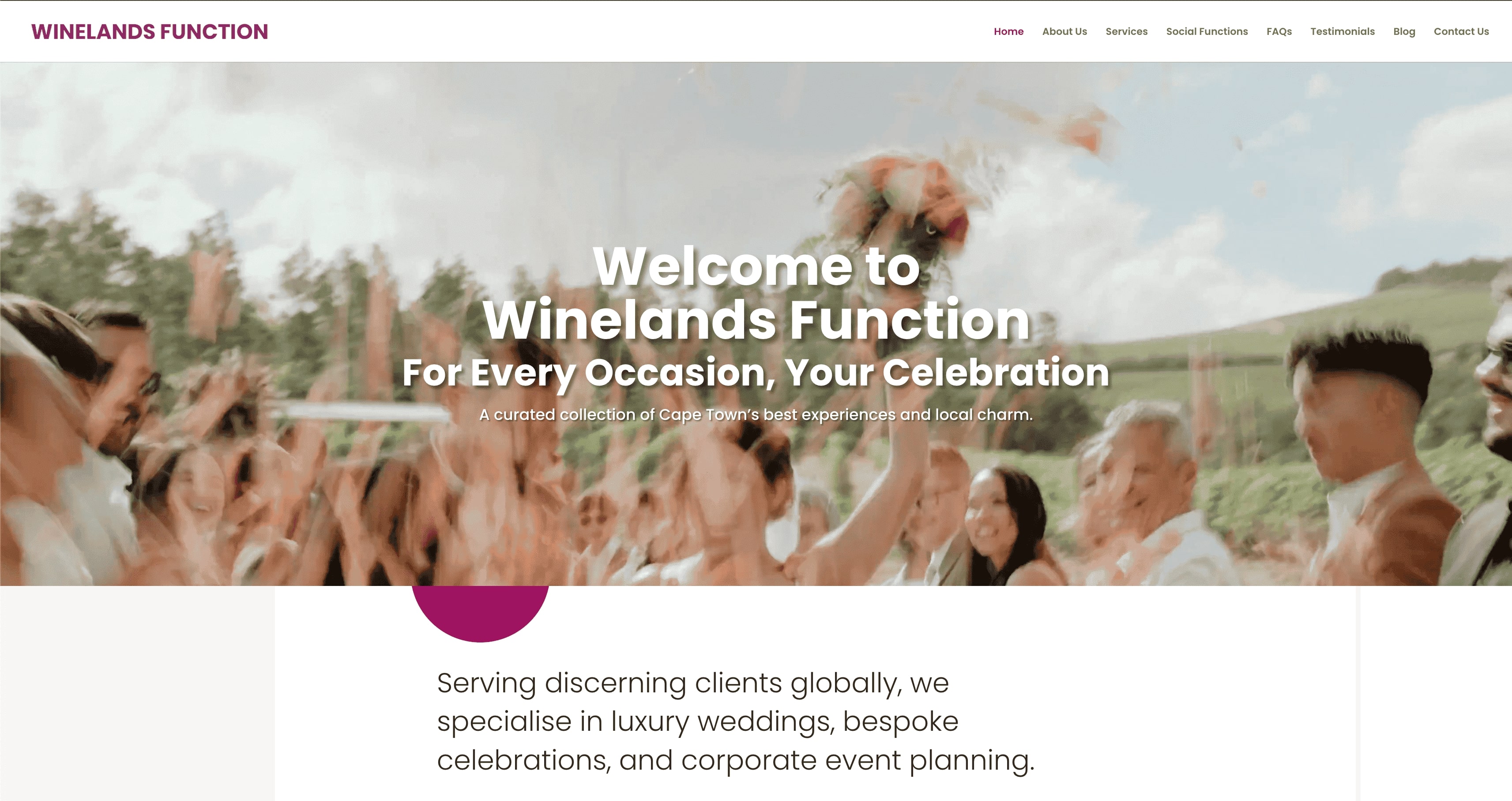
Visit Winelands Function today and let us guide you through every step of your memorable occasion. Connect with our team to start creating a flawlessly executed event that your guests will cherish forever. Discover more about how we can support you at Winelands Function.
Frequently Asked Questions
What are the key elements to define my event vision?
To define your event vision, identify the purpose, map your audience, and clarify expected outcomes. Spend time crafting a concise vision statement that encapsulates what makes your event unique.
How can I create a realistic budget for my event?
Start by outlining all potential expenses, including fixed, variable, and hidden costs, then allocate your total budget accordingly. Consider adding a buffer of 10-15% for unexpected expenses to ensure financial security throughout the planning process.
What factors should I consider when choosing a venue for my event?
When selecting a venue, ensure it meets your capacity needs, is conveniently located for guests, offers necessary amenities, and reflects the desired atmosphere. Schedule visits to potential venues to confirm they fit your vision before making a decision.
How do I design a memorable guest experience?
Craft a memorable guest experience by incorporating personal touches, interactive moments, and sensory elements that resonate emotionally. Consider each element of the experience as part of a cohesive story that guests will enjoy and remember.
What components should my event timeline include?
Your event timeline should include pre-event planning, a minute-by-minute breakdown of activities, contingency buffers, and communication protocols for real-time coordination. Update the timeline regularly and rehearse it to ensure smooth transitions on the event day.
What strategies can I use to personalize my event?
Incorporate personalized touches by recognizing individual guests, curating thoughtful details like tailored menus, and creating unique sensory experiences. Focus on small, meaningful elements, such as personalized welcome notes or signature cocktails, that enhance the overall atmosphere.
Recommended
- 7 Essential Elements for Successful Corporate Events – Winelands Function – For Every Occasion, Your Celebration
- 7 Essential Event Design Tips for Memorable Experiences – Winelands Function – For Every Occasion, Your Celebration
- 7 Luxury Event Themes to Elevate Your Next Celebration – Winelands Function – For Every Occasion, Your Celebration
- Master the Bespoke Party Planning Process for Luxury Events – Winelands Function – For Every Occasion, Your Celebration
- Corporate Event Planning Guide: Execute Perfect Business Events – Uproduction
- examples of champagne towers