
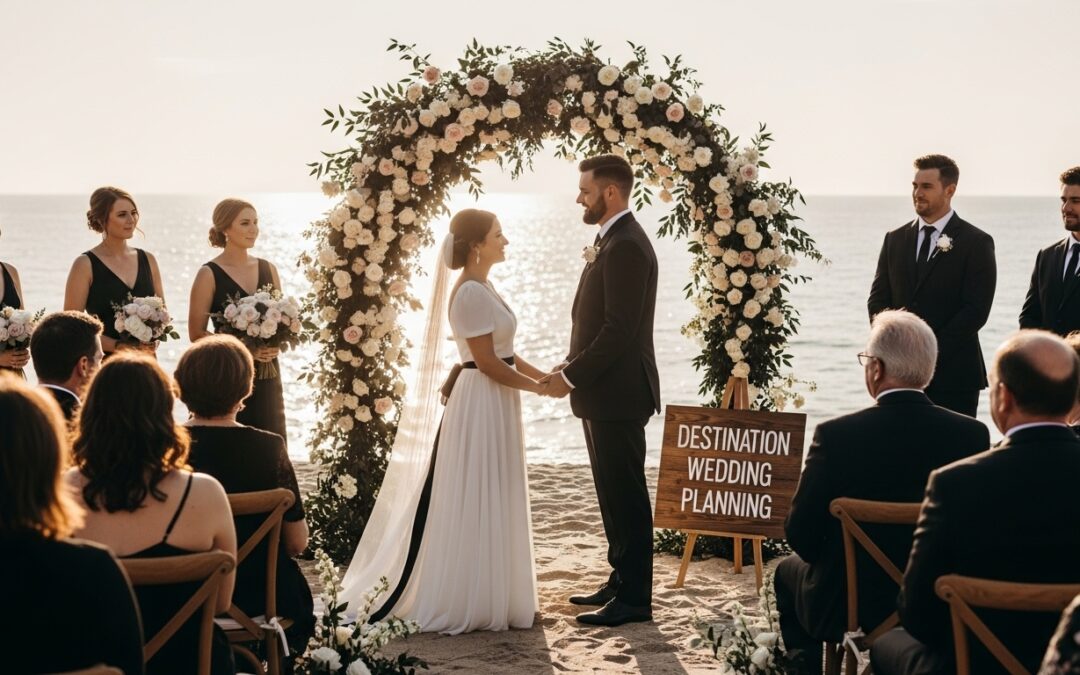
Destination wedding planning has turned ordinary ceremonies into extraordinary adventures, with couples now choosing stunning locations far from home for their special day. Surprise, almost one in four couples now opts for a destination wedding, whether it is on a white sandy beach or a historic wine estate. Most people think planning these events is just about picking a pretty location, but the real story lies in the intricate travel logistics, cultural puzzles, and tailored experiences that make each celebration unique.
Table of Contents
- Defining Destination Wedding Planning: Key Concepts
- Why Choose A Destination Wedding? Benefits Explored
- Understanding The Logistics Of Destination Weddings
- Cultural Considerations In Destination Wedding Planning
- The Role Of Professionals In Destination Wedding Planning
Quick Summary
| Takeaway | Explanation |
|---|---|
| Destination weddings offer unique experiences. | They combine travel with celebrations, allowing couples to craft personalised narratives. |
| Professional planners handle logistics and legalities. | Experts manage documentation, cultural protocols, and venue coordination, ensuring seamless events. |
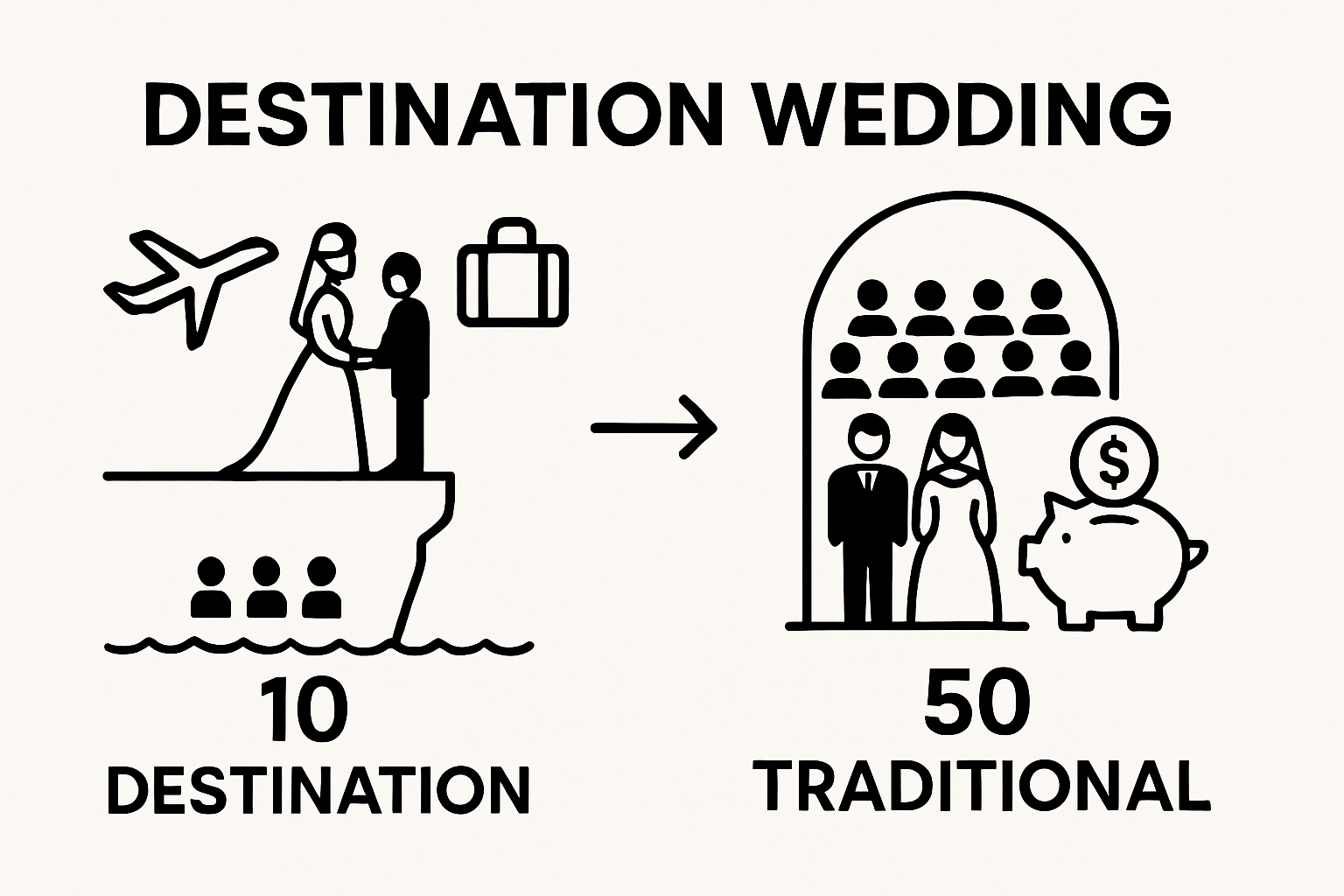
| Financial benefits can outweigh costs. | Destination weddings limit guest numbers and often include packages that simplify expenses. |
| Cultural sensitivity is crucial in planning. | Understanding local traditions and customs enhances the authenticity of the wedding experience. |
| Intimate gatherings create memorable moments. | Reduced attendance fosters meaningful connections and high-quality experiences for couples and guests alike. |
Defining Destination Wedding Planning: Key Concepts
Destination wedding planning represents a sophisticated approach to matrimonial celebrations that transcend traditional local wedding arrangements. Unlike conventional weddings confined to hometown venues, destination weddings transform matrimonial events into extraordinary travel experiences where couples choose remarkable locations as their wedding backdrop.
Understanding the Core Concept
At its essence, destination wedding planning involves carefully orchestrating a wedding celebration in a location that is typically away from the couple’s hometown or primary residence. Our guide on luxury wedding planning offers deeper insights into creating memorable events. These locations can range from exotic international beach resorts to picturesque mountain retreats, wine estates, or historic destinations that offer unique and memorable settings.
Key characteristics of destination wedding planning include:
- Comprehensive travel coordination for couples and guests
- Intricate logistical management across international or remote locations
- Specialized vendor selections with expertise in destination event execution
- Customised cultural and geographical considerations
Strategic Planning and Execution
Successful destination wedding planning requires meticulous attention to complex variables beyond standard wedding preparations. According to Wedding Planning International, professional planners must navigate challenges such as legal documentation, local marriage regulations, language barriers, and cultural nuances.
Couples selecting destination wedding planning typically seek more than just a ceremony location. They are crafting an immersive experience that combines matrimonial celebration with travel adventure.
 This approach demands advanced logistical skills, cultural sensitivity, and creative problem solving to transform potential complications into extraordinary moments.
Destination wedding planning is not merely about selecting a beautiful location but creating a holistic experience that reflects the couple’s unique narrative, incorporates local charm, and provides an unforgettable journey for everyone involved.
Why Choose a Destination Wedding? Benefits Explored
Destination weddings have emerged as a transformative approach to celebrating matrimonial unions, offering couples unprecedented opportunities to blend romance, travel, and personal storytelling in extraordinary ways. Check out our amazing destination wedding ideas for inspiration on creating unforgettable experiences.
Unique Personal Experience
Unlike traditional wedding celebrations, destination weddings provide couples with an unparalleled canvas to craft deeply personalised experiences. According to Travel Wedding Magazine, modern couples are increasingly seeking celebrations that reflect their individual narratives and shared adventures.
Key motivations for choosing destination weddings include:
- Creating intimate, memorable experiences beyond conventional venue constraints
- Combining wedding celebrations with honeymoon travel
- Offering guests a unique travel opportunity alongside matrimonial festivities
- Reducing overall guest count while enhancing experience quality
Financial and Logistical Advantages
Contrary to popular perception, destination weddings can offer significant financial benefits. While initial costs might seem higher, they often result in more economical celebrations by naturally limiting guest numbers and providing integrated travel and accommodation packages.
Internationally recognised wedding planners suggest that destination weddings typically:
- Reduce overall guest attendance, thereby decreasing total event expenses
- Provide comprehensive package deals including venue, accommodation, and wedding services
- Eliminate complex local event planning logistics
- Create opportunities for multi-day celebration experiences
Destination weddings represent more than just a location change. They are a profound statement of personal style, adventure, and commitment, transforming matrimonial celebrations from traditional ceremonies into extraordinary life experiences that reflect the couple’s unique journey and shared dreams.
Understanding the Logistics of Destination Weddings
Destination wedding logistics represent a complex orchestration of travel, legal requirements, and event planning that demands precision and expert coordination. Learn more about our luxury wedding advantages to appreciate the intricacies involved in these extraordinary celebrations.
Travel and Legal Considerations
Successful destination wedding planning requires comprehensive understanding of international travel regulations, marriage recognition protocols, and documentation requirements. According to The Knot, couples must navigate multiple complex variables to ensure seamless wedding experiences.
Key logistical challenges include:
- Securing valid marriage licenses in destination countries
- Understanding local marriage recognition laws
- Managing passport and visa requirements for international guests
- Confirming legal validity of wedding ceremonies across different jurisdictions
Vendor and Accommodation Management
Destination wedding logistics extend far beyond traditional event planning. Professional planners must expertly coordinate multiple interconnected elements, including:
- Identifying and vetting local vendors with international experience
- Negotiating comprehensive package deals for venues and services
- Arranging group travel and accommodation logistics
- Creating detailed communication strategies for guests
These complex arrangements require specialized skills in cross-cultural communication, international event coordination, and precise logistical management. Successful destination wedding planners transform potential challenges into seamless, memorable experiences that transcend traditional wedding celebrations.
Cultural Considerations in Destination Wedding Planning
Destination wedding planning transcends mere geographical logistics, requiring profound understanding and respectful navigation of diverse cultural landscapes. Explore our insights on luxury wedding planning to appreciate the nuanced approach needed for successful cross-cultural celebrations.
Understanding Cultural Sensitivity
Cultural considerations represent a critical dimension of destination wedding planning that demands meticulous research, empathy, and adaptability. According to UNESCO Cultural Heritage Guidelines, successful cross-cultural events require comprehensive understanding of local traditions, social norms, and ceremonial practices.
Key cultural dimensions to consider include:
- Respecting local religious and spiritual practices
- Understanding traditional wedding rituals and symbolism
- Navigating potential language barriers
- Acknowledging and integrating local customs into wedding celebrations
Navigating Cultural Protocols
Professional destination wedding planners must develop sophisticated cultural intelligence to create meaningful, respectful experiences. This involves deep research and collaboration with local experts to ensure authentic and sensitive event design.
Critical cultural protocol considerations encompass:
- Consulting local wedding experts and cultural advisors
- Understanding appropriate dress codes and behavioural expectations
- Recognising potential cultural taboos or sensitive interactions
- Developing inclusive ceremonies that honour both couple’s and destination’s cultural heritage
Destination wedding planning represents a delicate art of cultural translation, where professional planners serve as cultural ambassadors, transforming potential misunderstandings into opportunities for meaningful cross-cultural connection and celebration.
The Role of Professionals in Destination Wedding Planning
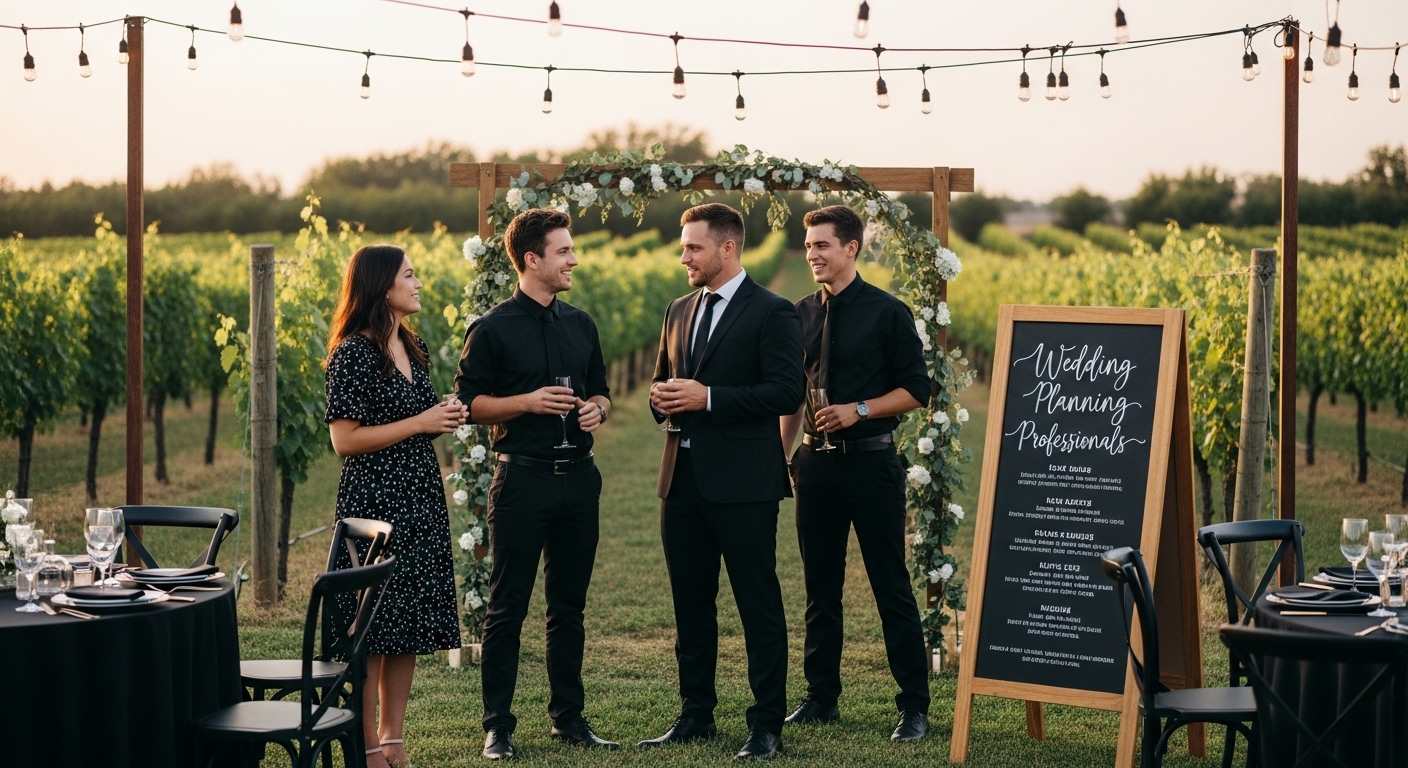
Destination wedding professionals transform complex international celebrations into seamless, extraordinary experiences by combining strategic planning, cultural expertise, and comprehensive logistical management. Learn why hiring professional wedding planners is crucial for creating unforgettable matrimonial moments.
Strategic Event Coordination
Professional destination wedding planners serve as multifaceted orchestrators who navigate intricate challenges across geographical, cultural, and logistical domains. According to International Wedding Planning Association, these experts provide critical services that extend far beyond traditional event management.
Key professional responsibilities include:
- Creating comprehensive destination wedding blueprints
- Managing complex international vendor networks
- Developing robust contingency plans for potential challenges
- Providing specialised cultural and regional expertise
Comprehensive Client Support
Destination wedding professionals offer holistic support that encompasses emotional guidance, technical expertise, and personalised problem solving. Their role transcends conventional event planning by serving as cultural translators, logistical experts, and creative consultants who transform couples’ matrimonial visions into reality.
Essential support services encompass:
- Providing detailed destination research and recommendations
- Negotiating contracts with international venues and vendors
- Offering continuous communication and stress management
- Ensuring legal and cultural compliance throughout planning
These professionals represent the critical bridge between couples’ dreams and the complex realities of international wedding celebrations, transforming potential complications into extraordinary, memorable experiences.
Below is a table highlighting key logistical and cultural challenges in destination wedding planning alongside how professional planners address them, offering a concise comparative overview to support comprehension.
| Challenge | Description | Role of Professional Planners |
|---|---|---|
| Travel and Legal Requirements | Securing licences, managing travel, visas, and marriage legality | Ensure compliance, handle documentation, coordinate guest logistics |
| Vendor and Accommodation Management | Identifying local vendors, negotiating packages, arranging guest accommodation | Vet reliable vendors, negotiate contracts, manage all accommodation logistics |
| Cultural Sensitivity and Protocols | Understanding local customs, religious practices, language barriers | Perform cultural research, consult experts, adapt ceremonies appropriately |
| Communication and Guest Management | Keeping guests informed about schedules, travel, attire, and expectations | Develop detailed communication plans and support guests throughout |
| Creative Event Personalisation | Combining the couple’s narrative with local charm and authenticity | Curate bespoke experiences tailored to both couple and destination |
Bring Your Destination Wedding Vision To Life With Winelands Function
Planning a destination wedding can quickly become overwhelming with complex logistics, cultural sensitivity, and the need for expert coordination. As highlighted in our article, couples often face challenges such as international vendor management, travel arrangements, and ensuring every detail reflects their unique story. Many dream of transforming their celebration into a luxury experience, yet find it difficult to create a seamless and unforgettable event far from home.
At Winelands Function, we make destination wedding planning effortless and sophisticated. Our experienced team in Cape Town specialises in crafting extraordinary celebrations with meticulous attention to detail and a personalised approach. We handle everything, from the initial inspiration to flawless execution. If you value elegance and wish to eliminate uncertainty, let us turn your dream into reality. Discover our curated portfolio of wedding services, see why hiring a professional planner matters, and make your plans today. Visit Winelands Function to start creating your bespoke destination wedding now—your extraordinary celebration awaits.
Frequently Asked Questions
What are the key elements of destination wedding planning?
Destination wedding planning involves comprehensive travel coordination, intricate logistical management, specialized vendor selections, and customized cultural considerations to create a unique celebration away from the couple’s hometown.
What are the benefits of choosing a destination wedding?
Destination weddings offer couples an opportunity to craft deeply personalised experiences, combine their wedding with a honeymoon, create memorable travel opportunities for guests, and potentially reduce overall costs by limiting guest numbers.
What logistical challenges should couples expect when planning a destination wedding?
Couples may face challenges such as securing valid marriage licenses, understanding local marriage recognition laws, managing visa requirements for international guests, and coordinating travel and accommodation logistics for the event.
How can cultural considerations impact destination wedding planning?
Cultural considerations are crucial for creating respectful events. Couples must research local traditions, navigate language barriers, and work with professionals to ensure that the ceremony and celebrations honour both their narrative and the cultural heritage of the destination.
Recommended
- 7 Amazing Destination Wedding Ideas for Your Perfect Day
- Understanding the Luxury Wedding Planning Guide – Winelands Function – For Every Occasion, Your Celebration
- Wedding Planning Step by Step: Your Complete Guide – Winelands Function – For Every Occasion, Your Celebration
- Understanding Why Hire Wedding Planners for Your Event