
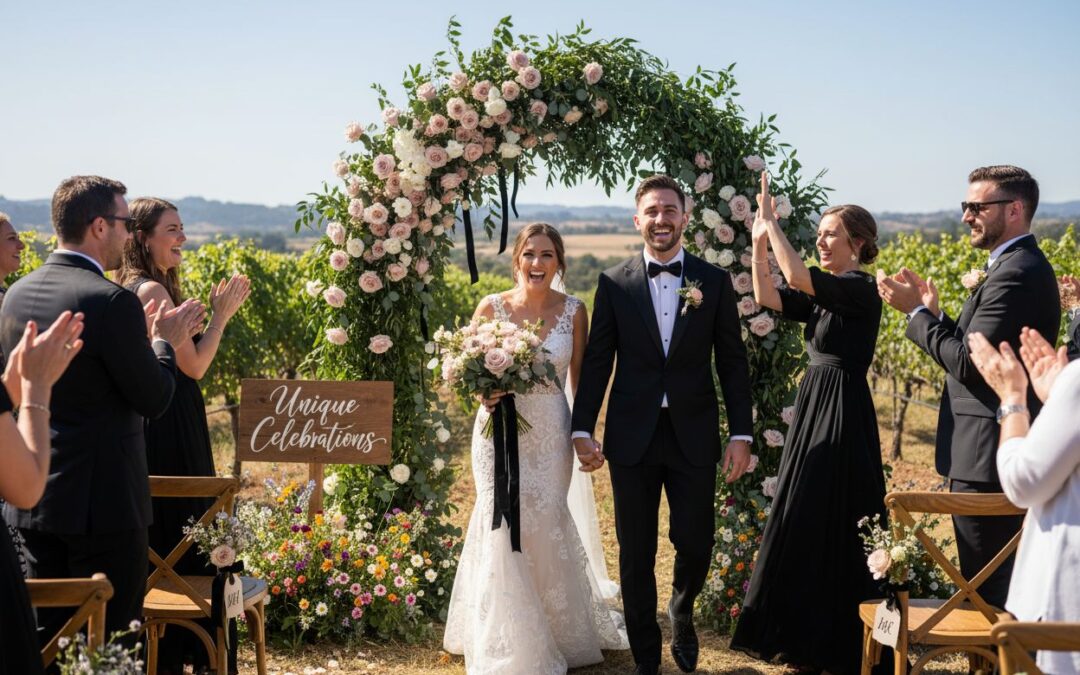
Bespoke weddings are taking the spotlight for couples who want something truly special. Traditional wedding packages might promise elegance and ease, but they all start to look the same after a while. Here is the surprise. No two bespoke weddings are ever identical and every detail is made-to-measure. This means your celebration is more than an event, it becomes a deeply personal story only you could tell.
Table of Contents
- Defining Bespoke Weddings: Personalised Celebrations
- The Importance of Bespoke Weddings in a Modern Era
- Key Elements that Make Weddings Bespoke
- How Bespoke Weddings Reflect Individual Stories
- The Role of Creative Professionals in Bespoke Weddings
Quick Summary
| Takeaway | Explanation |
|---|---|
| Bespoke weddings are fully customised experiences | Every element of a bespoke wedding is tailored to reflect a couple’s unique identity and preferences. |
| Collaborate closely with wedding professionals | Working with expert planners helps translate personal stories into unique wedding experiences. |
| Emphasise emotional storytelling in weddings | Each aspect should narrate the couple’s journey, highlighting milestones and cultural significance. |
| Reflect individual identity through celebrations | Bespoke weddings allow couples to express their personal narratives and cultural backgrounds authentically. |
| Break from traditional wedding norms | Modern couples increasingly seek to personalise their celebrations, moving away from standard templates. |
Defining Bespoke Weddings: Personalised Celebrations
Bespoke weddings represent an extraordinary approach to matrimonial celebrations that transcend traditional wedding planning, offering couples a deeply personalised and meticulously crafted experience. Unlike standard wedding arrangements, bespoke weddings are custom designed to reflect the unique personality, story, and vision of each couple.
The Essence of Personalisation
At the core of bespoke weddings lies the fundamental principle of complete customisation. This means every single element of the wedding is thoughtfully curated and tailored specifically to the couple’s desires. From intricate design details to unique venue selections, each aspect is carefully considered and personalised. Read more about our guide to personalised celebrations to understand how this transformative approach works.
Key characteristics of bespoke weddings include:
- Total Individualisation: No two weddings are identical
- Emotional Storytelling: Celebration reflects the couple’s unique journey
- Meticulous Attention to Detail: Custom design in every element
Crafting a Unique Wedding Experience
Creating a bespoke wedding involves close collaboration between couples and expert wedding planners who understand how to translate personal narratives into extraordinary celebrations. According to Wedding Design Institute, this process requires deep listening, creative vision, and exceptional technical expertise.
The approach goes far beyond selecting standard wedding packages. Instead, it involves understanding the couple’s cultural background, personal aesthetics, shared experiences, and individual personalities. Wedding designers work like artistic architects, constructing an immersive experience that tells a couple’s unique love story through carefully selected elements such as venue design, colour palettes, music selections, culinary experiences, and ceremonial traditions.
Ultimately, bespoke weddings are about creating an unforgettable, deeply meaningful celebration that feels authentically and exclusively yours. They transform a traditional event into a personalised narrative that resonates with the couple’s deepest emotional connection and individual identity.
The Importance of Bespoke Weddings in a Modern Era
In contemporary society, bespoke weddings have emerged as a powerful expression of individuality, moving far beyond traditional ceremonial conventions. These personalised celebrations represent more than just an event they are profound statements of personal identity, cultural evolution, and emotional authenticity.
Reflecting Personal Narratives
Modern couples increasingly view their wedding as a deeply personal canvas for storytelling. Explore our comprehensive guide to luxury wedding planning to understand how contemporary celebrations have transformed. The shift from standardised wedding experiences to bespoke celebrations reflects broader societal changes where personal expression takes precedence over conformity.
Key reasons why bespoke weddings matter in the modern era include:
- Individual Empowerment: Rejecting cookie-cutter wedding templates
- Cultural Authenticity: Celebrating unique heritage and personal backgrounds
- Emotional Significance: Creating meaningful experiences over traditional expectations
Breaking Traditional Boundaries
According to the Global Wedding Trends Report, contemporary couples are challenging long-standing wedding norms. They seek experiences that genuinely represent their relationship dynamics, personal values, and unique journeys. This trend signifies a profound cultural shift where weddings are no longer about meeting societal expectations but about creating authentic, memorable experiences.
The importance of bespoke weddings extends beyond aesthetic preferences. They represent a deeper psychological need for genuine self-expression. By meticulously crafting every element of their celebration, couples communicate their story, values, and emotional connection in a manner that traditional wedding formats cannot accommodate.
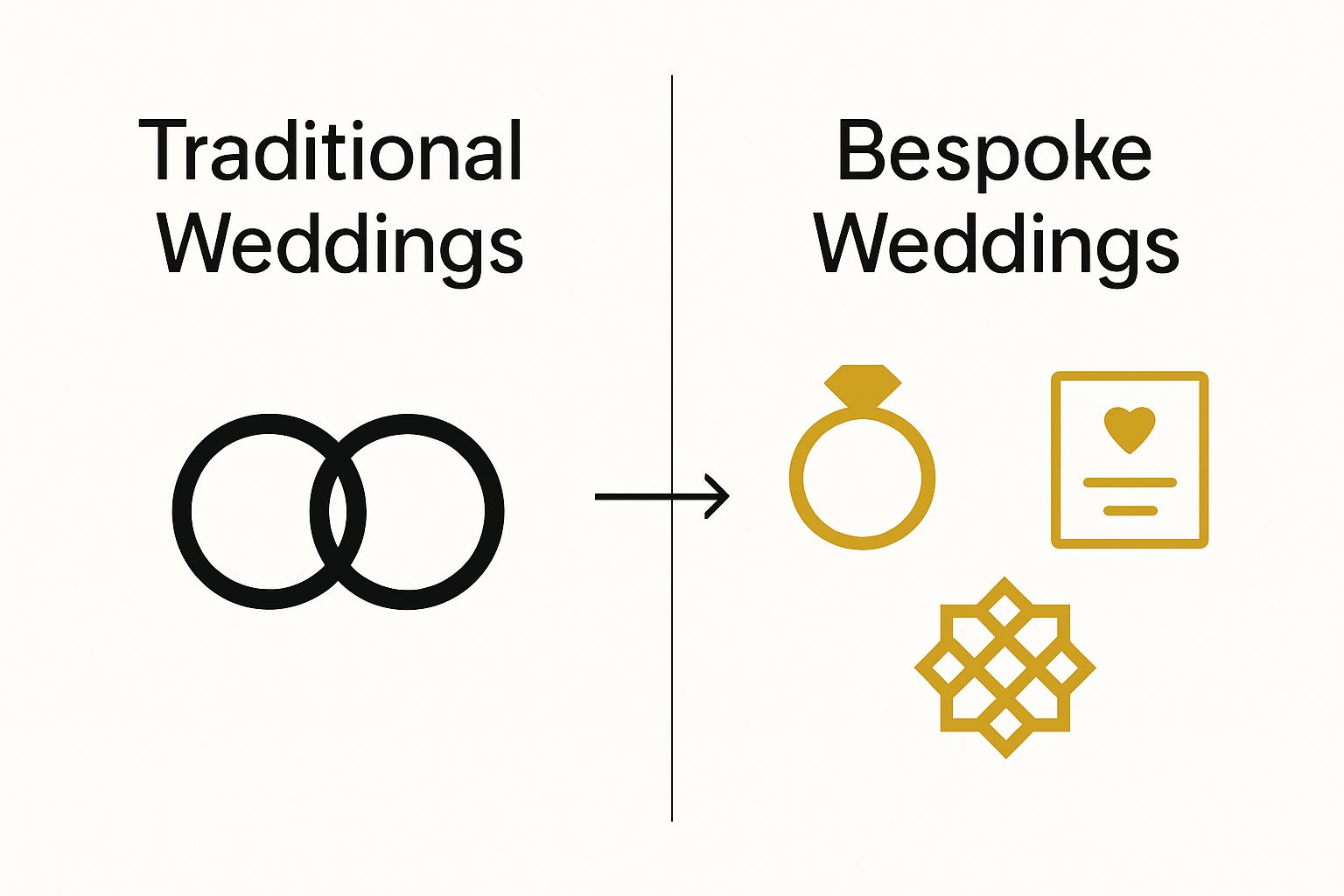
Below is a table comparing the key differences between bespoke weddings and traditional weddings to clarify their unique characteristics for couples considering their options.
| Aspect | Bespoke Weddings | Traditional Weddings |
|---|---|---|
| Customisation Level | Fully tailored to each couple | Follows standardised packages and templates |
| Storytelling Emphasis | Focus on personal narratives and emotional storytelling | Little or no focus on the couple’s unique story |
| Cultural Authenticity | Integrates personal heritage and traditions | Often limited to mainstream traditions |
| Professional Involvement | Collaborative work with creative professionals | Minimal personalisation by planners |
| Venue & Design | Unique venues and custom decor per couple | Standard venues and pre-set design packages |
| Time & Complexity | Requires more time for planning and detail | Generally quicker and more formulaic |
| Event Experience | Immersive, one-of-a-kind, deeply meaningful celebration | Familiar, often conventional wedding experience |
Ultimately, bespoke weddings in the modern era are not just events they are powerful narratives of love, individuality, and personal evolution. They symbolise a generation’s commitment to authenticity, creativity, and meaningful celebration.
Key Elements that Make Weddings Bespoke
Bespoke weddings are distinguished by their intricate, personalised approach that transforms traditional celebrations into extraordinary, one-of-a-kind experiences. Understanding the fundamental elements that create these unique celebrations reveals the depth and complexity of truly personalised matrimonial events.
Personalisation Beyond Aesthetics
The cornerstone of bespoke weddings is far more profound than mere visual customisation. Learn more about luxury wedding planning techniques to understand the nuanced artistry involved. These celebrations are crafted through a holistic approach that considers emotional narrative, cultural context, and individual storytelling.
Critical elements that define bespoke weddings include:
- Emotional Storytelling: Reflecting the couple’s unique relationship journey
- Cultural Authenticity: Integrating personal heritage and meaningful traditions
- Sensory Experience Design: Creating immersive moments that engage all senses
Architectural Components of Bespoke Design
According to the International Wedding Design Association, bespoke weddings are constructed through meticulously selected components that go beyond standard wedding planning. These elements include:
Customisation occurs across multiple dimensions:
- Venue selection that reflects personal history
- Culinary experiences tailored to couple’s preferences
- Musical selections that narrate their relationship
- Ceremonial elements that honour individual backgrounds
The design process involves deep collaboration between couples and wedding professionals, treating each celebration as a unique artistic creation. Wedding designers act as narrative architects, translating personal stories into immersive experiences that transcend traditional event frameworks.
The following table summarises the fundamental components that define a bespoke wedding, highlighting their contribution towards a uniquely personalised event.
| Element | Description |
|---|---|
| Emotional Storytelling | Celebration reflects the couple’s unique relationship journey |
| Cultural Authenticity | Incorporates meaningful traditions and personal heritage |
| Sensory Experience Design | Crafts immersive experiences engaging multiple senses |
| Venue Selection | Venue chosen for personal or shared significance |
| Culinary Experience | Menu designed to reflect preferences and shared memories |
| Music & Entertainment | Curated to narrate the relationship and personal milestones |
| Ceremonial Traditions | Honours individual backgrounds and values |
Ultimately, bespoke weddings are not just events they are living, breathing representations of individual love stories, meticulously crafted to celebrate the most intimate and profound moments of human connection.
How Bespoke Weddings Reflect Individual Stories
Bespoke weddings transcend traditional celebration formats by becoming intimate narrative canvases where couples articulate their unique love journeys. These personalised events are intricate storytelling platforms that transform matrimonial ceremonies into profound emotional expressions of individual experiences and shared connections.
Narrative Architecture of Personal Experiences
Every element of a bespoke wedding becomes a deliberate storytelling mechanism, carefully curated to represent the couple’s distinctive relationship trajectory. Explore our collection of unique bespoke celebration examples to understand how personal narratives can be brilliantly translated into celebration designs.
Key storytelling components in bespoke weddings include:
- Emotional Chronology: Representing relationship milestones
- Cultural Representation: Showcasing heritage and background
- Personal Symbolism: Incorporating meaningful personal references
Translating Personal Journeys into Celebration Experiences
According to the Global Wedding Narrative Research Centre, bespoke weddings function as complex narrative architectures. Couples work with designers to transform abstract emotional experiences into tangible celebration elements that communicate their unique relationship dynamics.
This narrative translation occurs through multiple sophisticated approaches:
- Venue selection reflecting shared memories
- Menu designs inspired by significant shared experiences
- Musical selections narrating relationship progression
- Ceremonial elements representing individual and collective identities
Bespoke weddings represent more than aesthetic choices they are intricate biographical expressions. By meticulously crafting each celebration element, couples create immersive experiences that communicate their most intimate stories, transforming weddings from standard events into deeply personal, emotionally resonant celebrations of individual journeys.
The Role of Creative Professionals in Bespoke Weddings
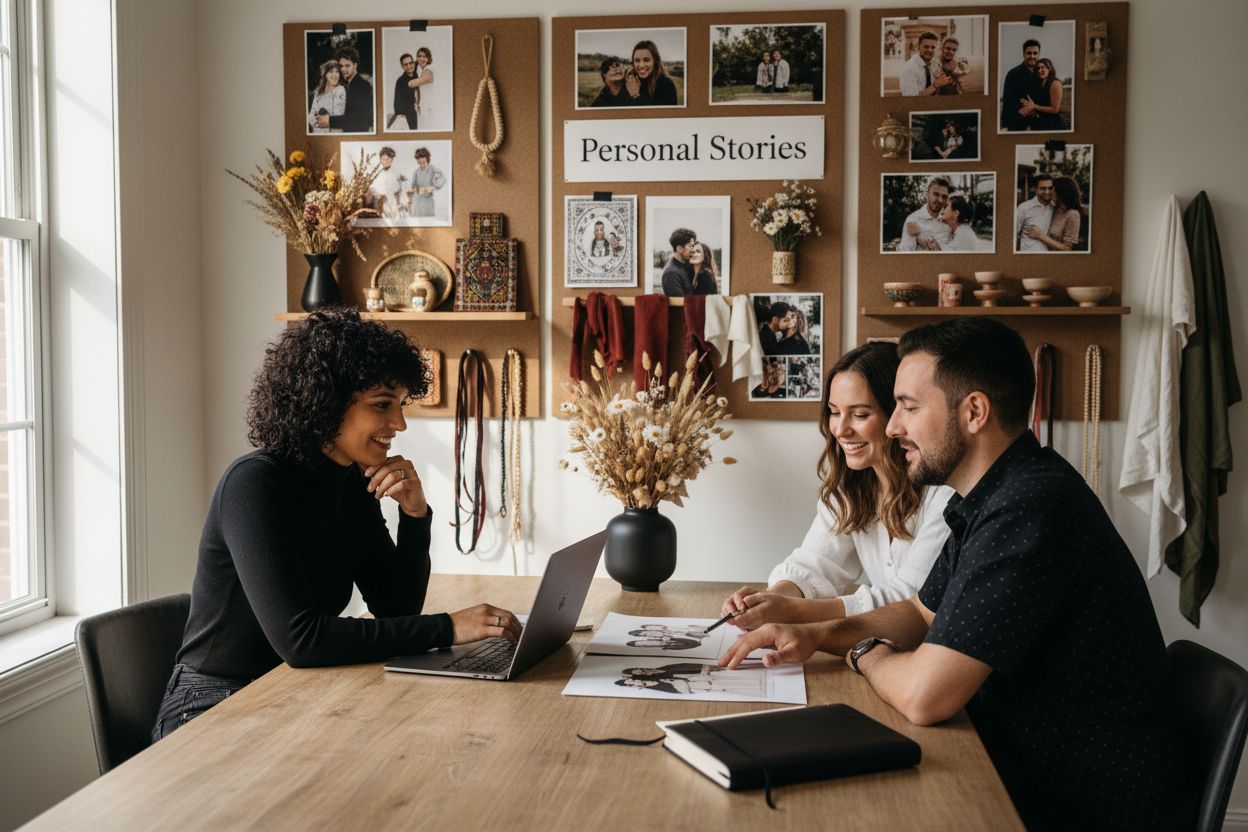
Creative professionals are the pivotal architects who transform wedding concepts from generic blueprints into extraordinary, personalised narratives. Their expertise goes far beyond traditional event management, positioning them as sophisticated storytellers who craft immersive experiences that resonate deeply with each couple’s unique emotional landscape.
Narrative Design and Emotional Translation
Wedding designers function as complex emotional translators, converting abstract relationship dynamics into tangible celebration experiences. Discover why hiring professional wedding planners makes a significant difference to understand the intricate artistry behind these transformative celebrations.
Key professional capabilities include:
- Emotional Intelligence: Understanding couples’ deeper relationship contexts
- Creative Interpretation: Translating personal stories into design elements
- Technical Expertise: Executing complex, nuanced celebration designs
Collaborative Storytelling Approach
According to the International Wedding Design Professionals Association, creative professionals engage in a deeply collaborative process. They do not merely execute a predetermined plan but actively co-create experiences with couples, treating each wedding as a unique artistic collaboration.
Their multidimensional role encompasses:
- Conducting extensive personal narrative interviews
- Developing comprehensive emotional mapping
- Designing holistic sensory experiences
- Curating precise design elements
- Managing complex logistical implementations
Creative professionals in bespoke weddings are more than event planners they are narrative architects who understand that each celebration is a profound opportunity to communicate a couple’s most intimate story through meticulously crafted experiential design.
Transform Your Story Into an Unforgettable Bespoke Wedding Experience
Are you finding it difficult to create a wedding that truly reflects your personality and unique journey together? The article outlines how many couples struggle with standardised wedding formats and yearn for a celebration that captures their relationship’s emotional depth and personal narrative. At Winelands Function, we understand the importance of customisation, meticulous attention to detail, and the desire for personalised storytelling in every celebration.
Let our team of creative professionals bring your vision to life. We work with you from conception to execution, translating your story into a flawless event that feels both meaningful and authentically yours. Discover how our personalised luxury wedding planning services can match your aspirations. See examples of our artistry and achievements in our bespoke celebration gallery, or start your planning journey today at Winelands Function. Make your bespoke wedding a reality now and ensure your celebration stands apart from the rest.
Frequently Asked Questions
What differentiates bespoke weddings from traditional weddings?
Bespoke weddings are fully customised experiences that reflect a couple’s unique story, preferences, and cultural backgrounds. Unlike traditional weddings that often follow a standard template, bespoke weddings allow for total individualisation in every aspect, from venue choice to menu design.
How can I start planning a bespoke wedding?
Begin by defining your personal narrative and the key elements that are important to you as a couple. Collaborate closely with a wedding planner or designer who has experience in creating bespoke celebrations to outline your vision and preferences, ensuring every detail aligns with your unique story.
What are the key elements of a bespoke wedding?
Key elements of a bespoke wedding include emotional storytelling, cultural authenticity, and sensory experience design that engages all the senses. Focus on personalising aspects such as venue selection, culinary experiences, and ceremonial traditions that resonate deeply with both you and your partner.
How do I ensure my bespoke wedding reflects my personal story?
Work closely with creative professionals who can translate your relationship milestones and cultural background into tangible celebration elements. Engage in thorough discussions about your journey as a couple to ensure every design choice, from decor to music, represents your unique narrative clearly.
What role do wedding professionals play in bespoke weddings?
Wedding professionals act as narrative architects who help translate couples’ unique stories into immersive experiences. They collaborate with you to develop a comprehensive plan that includes emotional mapping and sensory design, ensuring that every aspect of your celebration is thoughtfully curated.
How long does it typically take to plan a bespoke wedding?
Planning a bespoke wedding often takes several months to over a year, depending on the complexity and size of the event. Start early, ideally 12-18 months in advance, to allow ample time for the detailed customisation involved in executing your unique vision.
Recommended
- Exploring Tips for Bespoke Celebrations: A Comprehensive Guide – Winelands Function – For Every Occasion, Your Celebration
- Luxury Bespoke Events | Winelands Function
- 8 Unique Examples of Bespoke Celebrations
- Understanding the Luxury Wedding Planning Guide – Winelands Function – For Every Occasion, Your Celebration