
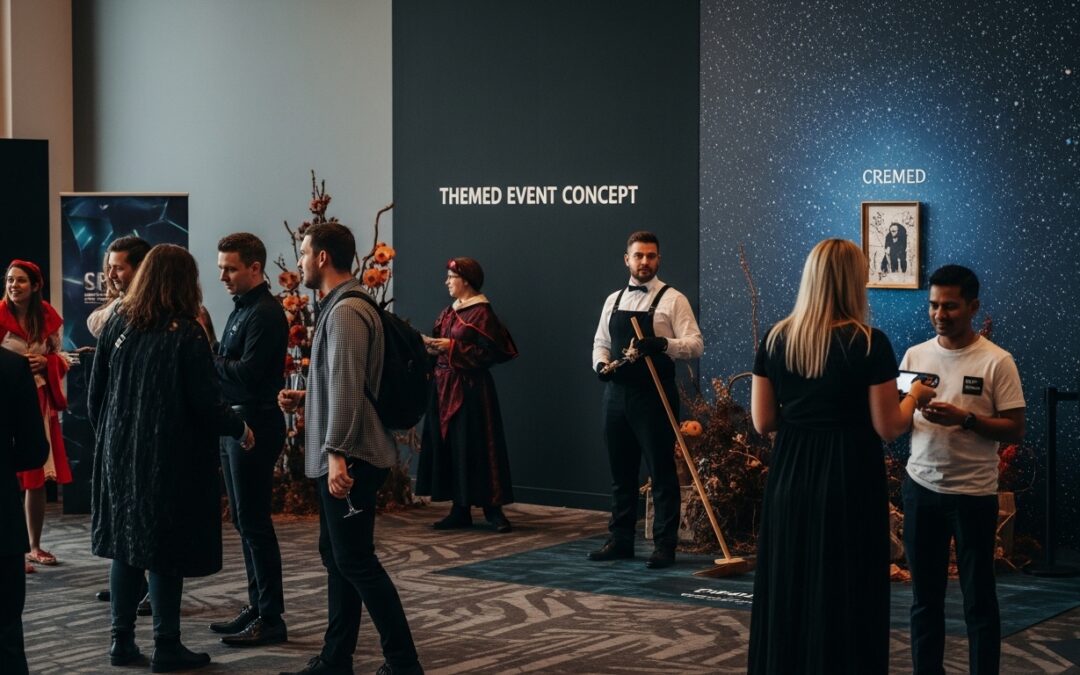
Themed events can turn even the blandest venues into vibrant, immersive experiences. Imagine an evening where every detail tells a story and nothing is left to chance. Yet, the real surprise is that these gatherings are not just about grand decorations or clever costumes. The most striking advantage is emotional impact—studies show that themed events can boost memory retention and deepen emotional engagement far more than traditional gatherings. There is more going on here than meets the eye.
Table of Contents
- Defining Themed Events: Core Concepts And Characteristics
- The Significance Of Themed Events: Why They Matter
- Elements That Make A Themed Event Successful: Key Components
- How Themed Events Are Planned And Executed: A Conceptual Overview
- Examples Of Themed Events: Inspirations And Case Studies
Quick Summary
| Takeaway | Explanation |
|---|---|
| Themed events create immersive experiences. | They transform spaces into engaging environments through narrative-driven design and sensory elements. |
| Clear objectives guide event planning. | Identifying core goals and target audience ensures thematic alignment throughout the event. |
| Senses should be fully engaged. | Successful themed events incorporate visual, auditory, and tactile elements for a holistic experience. |
| Strong narrative connects participants emotionally. | Effective storytelling fosters deeper engagement, making events more memorable and impactful. |
| Flexibility is key during execution. | Event planners must adapt while maintaining the core narrative and ensuring participants enjoy a seamless experience. |
Defining Themed Events: Core Concepts and Characteristics
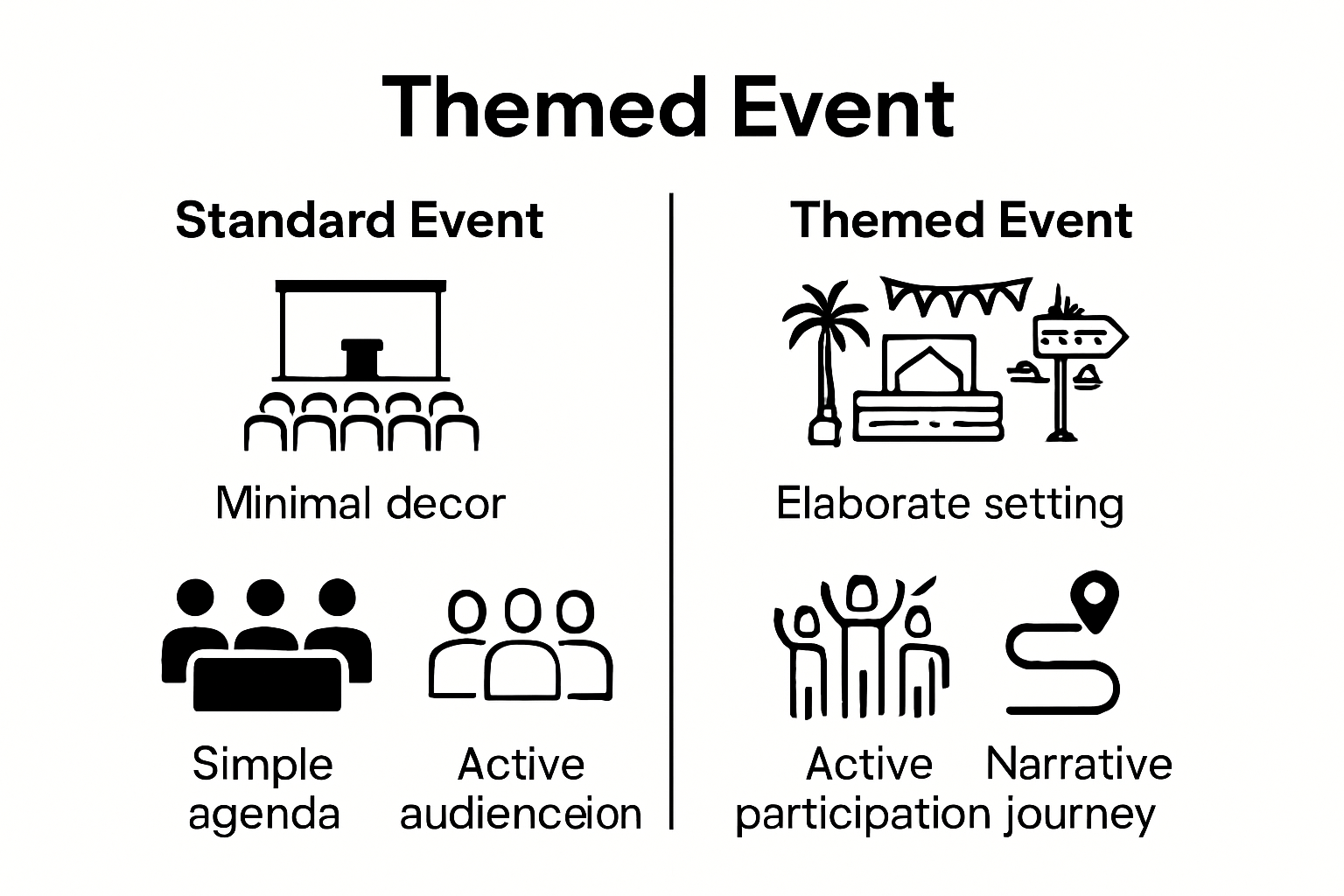
A themed event represents a sophisticated approach to event design where every aspect of an experience is intentionally crafted around a singular, cohesive narrative or concept. Unlike standard gatherings, these events transform ordinary spaces into immersive environments that engage participants through carefully curated visual, sensory, and emotional elements.
Understanding the Fundamental Nature of Themed Events
At its core, a themed event goes beyond mere decoration. It involves creating a comprehensive storytelling experience that transports attendees into a meticulously designed world. Research from event design experts reveals that an effective theme serves as the foundational framework that connects all event components, establishing purpose and meaning.
Key characteristics of themed events include:
- Comprehensive narrative integration
- Deliberate sensory engagement
- Consistent aesthetic and experiential design
- Emotional connection and storytelling
Strategic Design and Experiential Storytelling
Successful themed events require strategic planning that transforms abstract concepts into tangible experiences. This involves considering multiple layers of design, from visual aesthetics to emotional resonance. An exceptional themed event does not simply decorate a space but creates an entire ecosystem that invites participants to step into a different reality.
Themed events can range from corporate product launches and milestone celebrations to wedding receptions and cultural festivals. What distinguishes them is their ability to craft memorable, immersive experiences that transcend traditional event boundaries.
The psychological impact of a well-executed themed event is profound. By creating environments that stimulate multiple senses and engage participants emotionally, these experiences become more than simple gatherings they become transformative moments that participants will remember long after the event concludes.
The Significance of Themed Events: Why They Matter
Themed events have evolved from mere entertainment spectacles to powerful communication tools that create profound psychological and emotional connections with participants. These meticulously designed experiences transcend traditional event boundaries by offering more than simple gatherings.
Psychological and Emotional Impact
The psychological significance of themed events extends far beyond aesthetic presentation. Research published in the Journal of Event Management demonstrates that these experiences activate deeper emotional engagement mechanisms, transforming passive attendance into active participation.
Key psychological benefits include:
- Enhanced memory retention
- Increased emotional connectivity
- Stimulation of multiple sensory experiences
- Creation of lasting narrative impressions
Strategic Communication and Brand Experience
For organisations and event planners, themed events represent sophisticated communication platforms. They offer unique opportunities to communicate complex messages, corporate values, and brand narratives through immersive storytelling techniques.
By creating environments that participants can physically and emotionally inhabit, themed events generate more impactful and memorable interactions compared to traditional presentation formats.
Businesses leverage themed events to:
- Communicate complex organisational strategies
- Build stronger emotional connections with stakeholders
- Differentiate themselves in competitive markets
- Generate memorable brand experiences
The true power of a themed event lies in its ability to transform abstract concepts into tangible, experiential journeys. Whether celebrating personal milestones or launching corporate initiatives, these meticulously crafted experiences invite participants to step beyond conventional boundaries and engage with narratives in profoundly meaningful ways.
Elements that Make a Themed Event Successful: Key Components
Crafting a successful themed event requires strategic integration of multiple complex elements that work harmoniously to create an immersive, memorable experience. The precise orchestration of these components transforms an ordinary gathering into an extraordinary narrative journey.
Conceptual Design and Narrative Coherence
Scientific research on event management emphasises that thematic success begins with developing a robust, coherent conceptual framework. This foundational element determines how effectively the event’s narrative will be communicated and experienced by participants.
Critical aspects of conceptual design include:
- Clear and compelling central theme
- Consistent narrative progression
- Logical thematic connections
- Authentic storytelling approach
Sensory and Visual Integration
Successful themed events engage participants through comprehensive sensory experiences. Visual design, atmospheric elements, sound, and spatial arrangements must work together to reinforce the event’s central narrative. Every design choice becomes a storytelling opportunity, transforming physical spaces into immersive environments that communicate the theme’s essence.
Key sensory integration strategies involve:
- Synchronized visual aesthetics
- Carefully curated background soundscapes
- Strategic lighting design
- Tactile and interactive environmental elements
The ultimate goal of a themed event is not merely to decorate a space but to create a holistic experience that transports participants into a meticulously crafted alternative reality. By thoughtfully considering every sensory and narrative detail, event designers can develop extraordinary experiences that resonate deeply with attendees, transcending traditional event boundaries and creating lasting emotional impressions.
The following table summarises the key components that contribute to a successful themed event, providing a structured reference.
| Component | Description |
|---|---|
| Conceptual Design | Establishes a clear, compelling, and cohesive central theme |
| Narrative Coherence | Ensures the storyline progresses logically and authentically throughout the event |
| Sensory Integration | Engages visual, auditory, and tactile senses to reinforce the event’s narrative environment |
| Consistent Aesthetics | Maintains visual and experiential uniformity across all elements |
| Emotional Engagement | Fosters deep connections through active storytelling and intentional design |
| Interactive Elements | Incorporates participatory or tactile features to heighten immersion |
| Strategic Planning & Flexibility | Combines detailed preparation with adaptable execution to ensure seamless delivery |

How Themed Events are Planned and Executed: A Conceptual Overview
Planning and executing a themed event requires a systematic, strategic approach that transforms creative concepts into immersive experiences. This complex process involves multiple interconnected stages that demand meticulous attention to detail and comprehensive understanding of event design principles.
Strategic Conceptualization and Purpose Definition
Research from event management experts emphasises that successful themed events begin with crystal-clear purpose definition. This initial stage involves identifying the core objectives, understanding the target audience, and establishing a comprehensive framework that will guide all subsequent planning decisions.
Key strategic considerations include:
- Precise event purpose identification
- Target audience analysis
- Thematic alignment with organisational goals
- Measurable outcome expectations
Comprehensive Planning and Design Architecture
The planning phase transforms conceptual ideas into actionable strategies. This involves developing a detailed roadmap that encompasses every aspect of the event, from narrative design to logistical execution. Successful themed events require intricate coordination between creative vision and practical implementation.
Critical planning elements involve:
- Detailed timeline development
- Resource allocation strategy
- Risk management protocols
- Collaborative stakeholder engagement
Successful themed event execution is not about perfection but about creating a seamless, immersive experience that resonates with participants. By maintaining flexibility, understanding the core narrative, and meticulously planning each element, event designers can craft extraordinary experiences that transcend traditional event boundaries and create lasting emotional connections.
Examples of Themed Events: Inspirations and Case Studies
Themed events span diverse contexts, demonstrating remarkable versatility in transforming ordinary gatherings into extraordinary experiences. These meticulously designed narratives offer profound insights into how creative conceptualization can elevate participant engagement across various domains.
Cultural and Educational Themed Events
Historical research on themed exhibitions reveals how narrative-driven experiences can communicate complex social messages. The National Museum of American History’s youth summits exemplify how themed events can explore intricate societal concepts through immersive storytelling techniques.
Notable characteristics of cultural themed events include:
- Narrative-driven educational approach
- Interactive participant engagement
- Contextual historical interpretation
- Meaningful social dialogue facilitation
Corporate and Professional Themed Experiences
In professional environments, themed events serve as sophisticated communication platforms that transcend traditional conference or networking formats. These experiences strategically use thematic design to communicate organisational values, foster innovation, and create memorable stakeholder interactions.
Key corporate themed event strategies involve:
- Brand narrative reinforcement
- Interactive knowledge sharing
- Experiential learning environments
- Strategic relationship building
Themed events represent more than mere entertainment they are powerful communication tools that transform abstract concepts into tangible, memorable experiences. By carefully crafting narrative environments, event designers can create profound connections that resonate with participants long after the event concludes, bridging intellectual understanding with emotional engagement.
Elevate Your Themed Event Vision with Winelands Function
Have you ever struggled to turn a unique event concept into a truly immersive experience? If this article has shown you just how complex and important consistent thematic storytelling can be, you are not alone. Many hosts find that blending narrative coherence with flawless sensory design is one of the biggest challenges in planning unforgettable themed events. Achieving emotional impact and turning concepts into reality calls for expertise, precise planning, and creative flair—qualities essential for setting your celebration apart.
At Winelands Function, we specialise in translating your ideas into breathtaking immersive environments that reflect elegance and personal vision. Whether you are planning a luxury wedding, a corporate celebration, or a truly bespoke soirée, our team crafts each experience with meticulous attention to detail—ensuring seamless integration of narrative and atmosphere from the very first concept to the final flourish. Explore our curated world of elegant events for tangible proof of how your story can be brought to life.
Ready to create moments your guests will remember long after your event ends? Start your journey with a tailored consultation and discover how Winelands Function’s expertise can turn your themed event dreams into remarkable reality. Visit Winelands Function now and let’s design your next unforgettable experience together.
Frequently Asked Questions
What defines a themed event?
A themed event is characterised by a cohesive narrative that transforms an ordinary gathering into an immersive experience, engaging participants through curated visual, sensory, and emotional elements.
How do themed events differ from regular events?
Themed events focus on a singular concept that integrates storytelling and sensory engagement, whereas regular events may lack a cohesive narrative and often focus more on logistical aspects than on creating a memorable experience.
Below is a table comparing themed events with regular events to clarify their key differences as discussed in the article.
| Aspect | Themed Events | Regular Events |
|---|---|---|
| Core Focus | Cohesive narrative and experience | Logistical arrangements |
| Sensory Engagement | Multi-sensory (visual, auditory, tactile) | Often limited or incidental |
| Emotional Connection | Deliberate emotional engagement through storytelling | Usually secondary; not intentionally cultivated |
| Design Consistency | Consistent and unified aesthetic throughout | May be disjointed and functional |
| Memory Retention | Designed to boost and reinforce long-term memories | Less emphasis on creating lasting impressions |
| Participant Role | Active involvement and immersion | Predominantly passive attendance |
| Purpose Alignment | Theme is linked to event objectives and audience needs | Objectives may be generic or loosely defined |
What are the key characteristics of a successful themed event?
Successful themed events feature comprehensive narrative integration, sensory engagement, consistent design, and establish emotional connections through storytelling, creating lasting impressions on participants.
How are themed events planned and executed effectively?
Planning a themed event involves defining a clear purpose, understanding the target audience, and integrating creative concepts with comprehensive logistical planning to ensure a seamless execution that resonates with attendees.