
Planning a wedding can quickly turn into a maze of decisions and expectations. Yet, even though couples in the UK now spend an average of over £18,400 on their wedding day, the biggest stress rarely comes from the price tag. Most couples are surprised to find that despite the budget, it is the avalanche of choices and hidden details that truly make or break the celebration.
Table of Contents
- Step 1: Define Your Wedding Vision And Theme
- Step 2: Establish A Realistic Budget And Financial Plan
- Step 3: Compile A Guest List And Send Out Invitations
- Step 4: Secure A Venue And Select Your Vendors
- Step 5: Finalise Details And Create A Timeline
- Step 6: Execute The Plan And Verify All Arrangements
Quick Summary
| Key Point | Explanation |
|---|---|
| 1. Define your wedding vision clearly | Establish a concrete emotional atmosphere and aesthetic style reflective of you and your partner before making any decisions. |
| 2. Create a realistic budget | Discuss financial contributions openly to set a clear budget that balances your dream and realistic spending. |
| 3. Compile a thoughtful guest list | Categorise potential guests and make diplomatic decisions to ensure your celebration feels meaningful while respecting limitations. |
| 4. Choose venue and vendors wisely | Select a venue that aligns with your theme and hire vendors who resonate with your overall vision for the wedding. |
| 5. Develop a detailed timeline | Craft a comprehensive wedding timeline to ensure each aspect of your celebration runs smoothly on the big day. |
Step 1: Define your wedding vision and theme
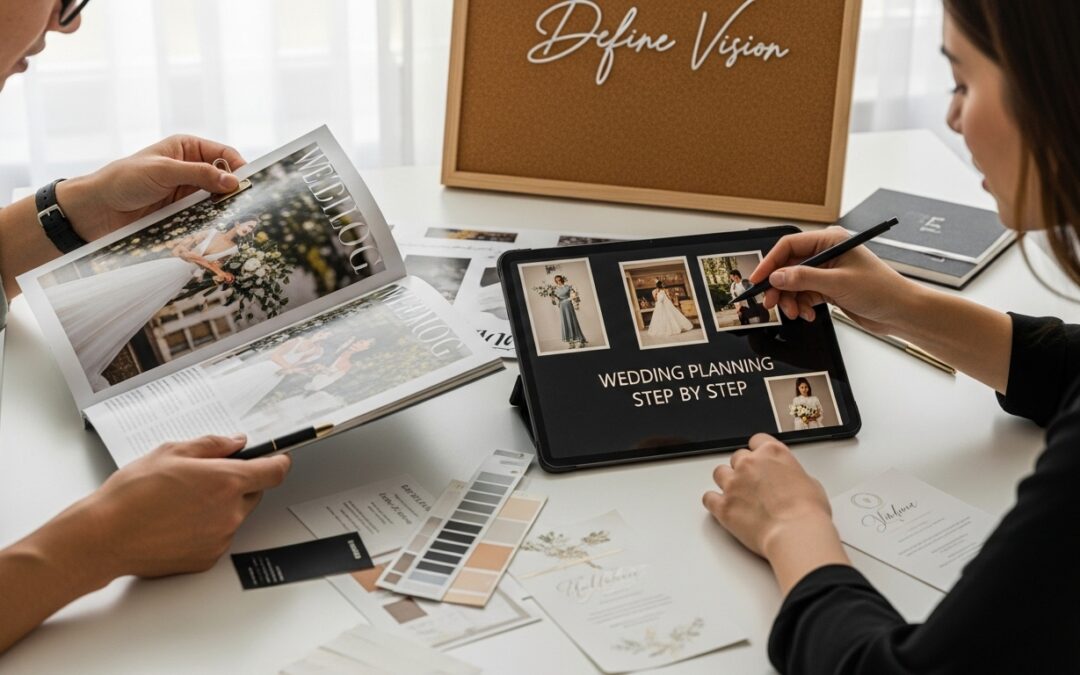
Your wedding vision is the foundational blueprint that will guide every subsequent decision in your planning journey. This crucial first step transforms your abstract dreams into a concrete roadmap for your celebration. Before selecting venues, colours, or attire, you must crystallise the emotional atmosphere and aesthetic style that truly represents you and your partner.
Begin by having an honest, open conversation with your partner about your shared values, personality, and the type of experience you want to create for yourselves and your guests. Consider the emotions you want your wedding to evoke – whether that’s romantic elegance, rustic intimacy, modern sophistication, or playful joy. Discuss your individual preferences and find a harmonious middle ground that authentically reflects your relationship.
Visual inspiration becomes critical at this stage. Create a digital mood board using platforms like Pinterest or Instagram to collect images that resonate with your collective vision. Look beyond traditional wedding imagery and explore art, fashion, travel photography, and design that sparks excitement. Pay attention to recurring colour palettes, textures, and aesthetic themes that emerge naturally during this exploration.
To refine your vision, consider practical elements that will influence your theme. Think about your wedding’s potential season, location, and guest experience. A beachside summer wedding demands a different approach compared to an intimate winter celebration. Your chosen venue will also significantly impact your theme – a historic vineyard suggests different styling compared to a contemporary city loft.
Explore our comprehensive luxury wedding planning guide to help you navigate this initial planning phase. By investing time in defining your wedding vision early, you create a cohesive framework that will make subsequent decisions feel intuitive and aligned with your unique love story.
Step 2: Establish a realistic budget and financial plan
Budget planning is the backbone of your wedding preparation, transforming your romantic vision into a financially sustainable reality. This critical step requires honest communication, strategic thinking, and pragmatic decision making to ensure your celebration remains both beautiful and financially responsible.
Initiate your budget discussion by having a transparent conversation with all financial contributors. Whether you and your partner are funding the entire wedding, or parents and family members are assisting, establishing clear expectations and boundaries is paramount. Understand each party’s comfort level and willingness to contribute, which helps prevent potential misunderstandings and financial strain later in the planning process.
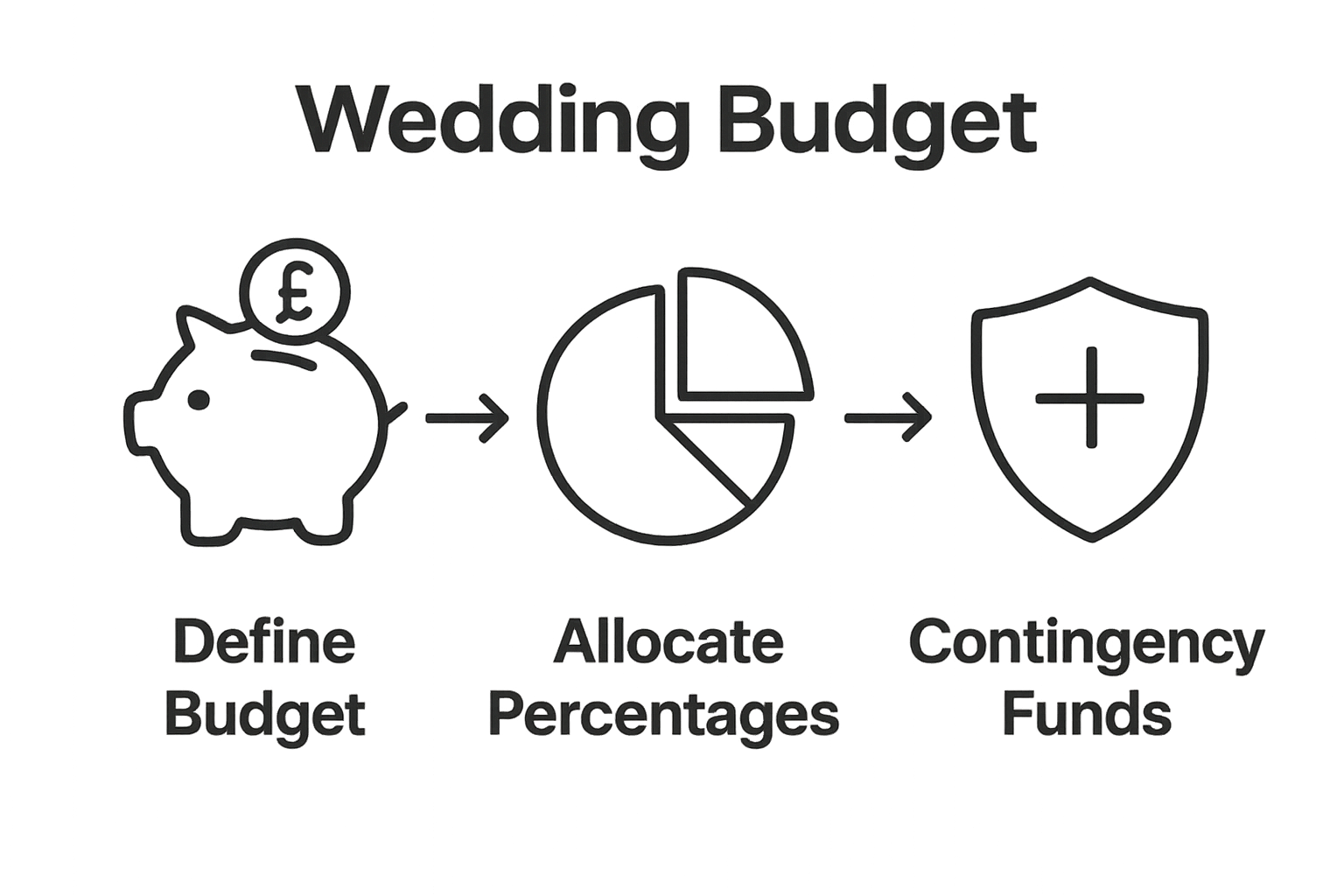
Utilise digital spreadsheet tools like Google Sheets or specialised wedding budget apps to track expenses meticulously. Create comprehensive categories including venue, catering, attire, photography, entertainment, decor, and miscellaneous costs. Allocate percentages of your total budget to each category, remembering that flexibility is key. Typical recommendations suggest approximately 50% for venue and catering, 10% for photography and videography, and 10% for attire and accessories.
Building a financial buffer is crucial in wedding planning. Experts recommend reserving 5-10% of your total budget for unexpected expenses – those inevitable surprises that emerge during planning. This contingency fund provides peace of mind and prevents financial stress from derailing your celebration.
 Consider potential additional costs like vendor gratuities, alterations, marriage licence fees, and transportation that often get overlooked in initial budgeting.
Learn more about luxury wedding financial planning to gain deeper insights into managing your wedding finances. By approaching your budget with transparency, strategic planning, and realistic expectations, you create a solid foundation that allows you to celebrate your love without unnecessary financial pressure.
Step 3: Compile a guest list and send out invitations
Compiling your wedding guest list represents a delicate balance between emotional considerations and practical constraints. This crucial step requires diplomacy, strategic thinking, and clear communication to create a celebration that feels intimate and meaningful while respecting your budget and venue limitations.
Begin by drafting a preliminary guest list with your partner, categorising potential attendees into clear tiers. Start with your absolute must-invite guests – immediate family, closest friends, and individuals who have been fundamentally important in your relationship. Next, create a secondary list of extended family, work colleagues, and more distant friends. This tiered approach provides flexibility if your initial guest count exceeds venue capacity or budgetary constraints.
Consider the emotional and financial implications of each invitation. Family dynamics and long-standing relationships matter, but so does your wedding’s overall experience. Be prepared to make potentially difficult decisions about plus-ones, children’s attendance, and distant relatives. Discuss these potential challenges openly with your partner, establishing mutual agreement on your guest list parameters.
Utilising digital tools can streamline the invitation process significantly. Platforms like The Knot offer comprehensive guest management systems that allow you to track RSVPs, manage dietary requirements, and communicate wedding details efficiently. Digital invitations can also provide cost savings compared to traditional paper invitations, offering an environmentally friendly and convenient alternative.
Explore our comprehensive guide to luxury wedding planning for more nuanced strategies in managing your guest list. Remember that your wedding guest list is a reflection of your most cherished relationships – approach the process with compassion, pragmatism, and a focus on creating a celebration that genuinely represents your love story.
Step 4: Secure a venue and select your vendors
Selecting your wedding venue and curating the perfect team of vendors represents a pivotal moment in your wedding planning journey. This step transforms your conceptual vision into a tangible celebration, requiring meticulous research, strategic decision making, and careful alignment with your overall wedding aesthetic and budgetary constraints.
Begin your venue search by revisiting the wedding vision you established earlier. Consider how each potential location complements your chosen theme, whether that means a rustic vineyard, elegant ballroom, or intimate garden setting. Schedule site visits at multiple venues, paying close attention to spatial layout, lighting, accommodation capacity, and logistical considerations like parking and accessibility. Request comprehensive information packets and discuss potential dates, pricing structures, and included amenities during these initial consultations.
Vendor selection demands equally thoughtful consideration. Prioritise professionals who demonstrate not just technical expertise, but also genuine alignment with your wedding’s emotional essence. Research potential photographers, caterers, florists, and musicians through recommendations, online portfolios, and direct interviews. Request comprehensive quotes, examine full wedding albums or event portfolios, and schedule in-person meetings to assess personal compatibility. Professional chemistry matters as much as technical skill when creating your perfect celebration.
Technology can significantly streamline this selection process. Platforms like Wedding Wire offer comprehensive vendor directories, reviews, and comparison tools that help you make informed decisions. Create spreadsheets tracking vendor quotes, contract details, and communication logs to maintain organisational clarity throughout your selection journey.
Learn more about our venue selection expertise to gain deeper insights into creating your perfect wedding environment. By approaching venue and vendor selection with strategic thoughtfulness, you transform abstract dreams into a beautifully orchestrated celebration that reflects your unique love story.
Step 5: Finalise details and create a timeline
Creating a comprehensive wedding timeline transforms your intricate planning into a seamless, stress-free experience. This critical step involves meticulously mapping out every moment of your celebration, ensuring that each carefully selected detail unfolds with precision and grace.
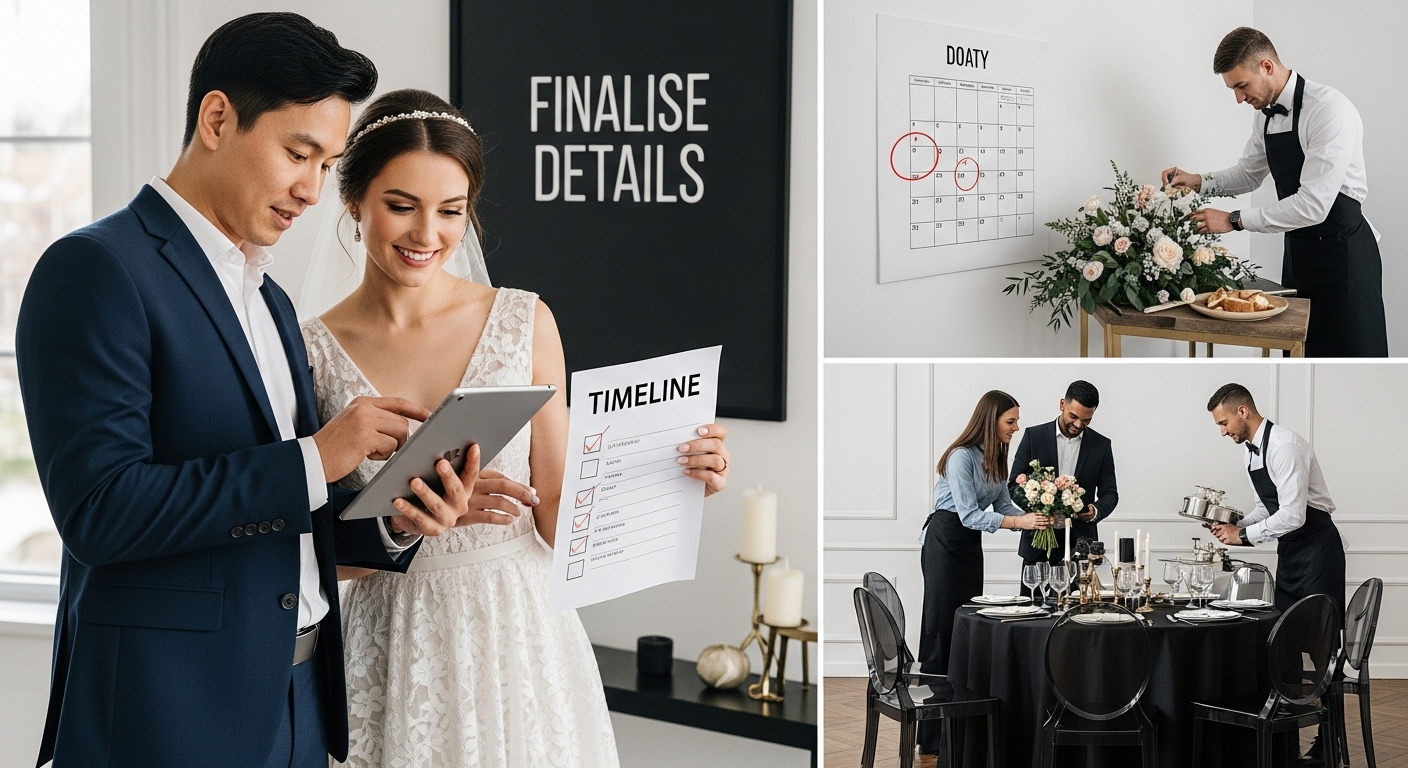
Develop a master planning document that serves as your wedding’s central nervous system. This comprehensive timeline should start approximately 12 months before your wedding date and include granular details for every vendor, wedding party member, and key participant. Break down responsibilities into weekly and monthly tasks, creating a visual roadmap that helps everyone understand their specific roles and expectations. Digital project management tools like Trello or specialised wedding planning apps can help you track progress and maintain organisational clarity.
Communication becomes paramount during this phase. Schedule detailed coordination meetings with each vendor to synchronise their individual timelines. Discuss precise logistics like setup times, equipment requirements, and potential contingency plans. Create a minute-by-minute schedule for your wedding day that accounts for everything from hair and makeup preparations to ceremony processional, reception events, and final send-off. This level of detailed planning prevents potential miscommunications and ensures a smooth, harmonious celebration.
Consider creating separate but interconnected timelines for different wedding participants. Your wedding party, immediate family, and key vendors should each receive a customised version of the timeline that highlights their specific responsibilities and arrival times. Include contact information, precise location details, and any special instructions to minimise confusion on your wedding day.
Explore our comprehensive event setup guide to gain deeper insights into creating a perfectly orchestrated celebration. By investing time in meticulous timeline creation, you transform potential chaos into a beautifully choreographed expression of your love story, allowing you to be fully present and enjoy every precious moment of your wedding day.
Step 6: Execute the plan and verify all arrangements
The execution phase represents the culmination of months of meticulous planning, transforming your carefully crafted vision into a tangible celebration. This critical step requires vigilant attention to detail, proactive communication, and a calm approach to managing potential last-minute challenges that inevitably arise during wedding preparations.
Begin with a comprehensive final review of all vendor contracts and arrangements approximately two weeks before your wedding date. Schedule final confirmations with each vendor, verifying precise arrival times, specific setup requirements, and confirming all previously discussed details. Create a master contact sheet with emergency phone numbers for each vendor, wedding party members, and key family representatives. This preparedness ensures quick resolution of any unexpected situations.
Delegate specific day-of responsibilities to trusted wedding party members or a professional wedding coordinator. Identify individuals who can handle potential logistical challenges without causing you additional stress. These trusted allies can manage last-minute adjustments, coordinate vendor communications, and ensure that minor hiccups are resolved seamlessly and discretely. Consider creating a digital shared document or group chat to facilitate real-time communication and quick problem solving on your wedding day.
Technology can be an invaluable ally during this critical execution phase. Platforms like Google Drive allow you to share and update documents in real-time, ensuring all key participants have access to the most current information.
The following table outlines essential digital tools and platforms mentioned in the wedding planning guide, summarising their primary use and benefits for each planning stage.
| Tool/Platform | Primary Use | Key Benefits |
|---|---|---|
| Pinterest, Instagram | Mood board creation | Visual inspiration and vision refinement |
| Google Sheets | Budget tracking | Detailed expense management and collaboration |
| The Knot | Guest list and RSVP management | Centralised guest information and communication |
| Wedding Wire | Vendor research and comparison | Reviews, directories, and quotation management |
| Trello | Task and timeline management | Organisational clarity and progress tracking |
| Google Drive | Document sharing and access | Real-time updates and shared resources |
Learn more about our bespoke event management strategies to gain deeper insights into flawless event execution. Remember that perfection lies not in eliminating all potential challenges, but in maintaining grace, flexibility, and joy throughout your celebration. By approaching the final execution with calm preparedness, you create space for the magical, spontaneous moments that truly define a memorable wedding experience.
Bring Your Dream Wedding to Life with Luxury Planning Expertise
You have just read how careful vision, clear budgeting, and flawless coordination are essential for a truly exceptional wedding. Yet following each step can feel overwhelming without expert support, especially when every detail matters and you want your celebration to reflect your unique love story. Many couples worry about missing something important, losing control of their vision, or getting bogged down in endless logistics. If you recognise this pressure, you are not alone. At Winelands Function, we specialise in turning your hopes and plans into beautifully orchestrated realities.

Why wait and risk needless stress or costly mistakes? Our luxury event planning team takes the pain out of step-by-step wedding planning so you can enjoy the experience and concentrate on what truly matters. See how our bespoke event setup process ensures every detail aligns with your wishes by visiting the Bespoke Event Setup Process page. Discover more about our expert venue selection to secure the perfect backdrop for your big day by taking a look at Understanding Venue Selection Process. If you are ready for elegance, creativity, and complete peace of mind from start to finish, explore our full offering at Winelands Function today. Reach out now to begin transforming your wedding dreams into an unforgettable celebration.
Frequently Asked Questions
What are the first steps in wedding planning?
Begin by defining your wedding vision and theme, which will guide all your subsequent decisions. Discuss with your partner the emotions and aesthetic you want to create, and assemble visual inspiration to refine your ideas.
How should we establish a wedding budget?
Initiate a budget discussion with all contributors, clearly outlining expectations and contributions. Use digital tools to track expenses across different categories such as venue, catering, and attire, while also reserving a contingency fund for unexpected costs.
How do we compile a guest list effectively?
Create a preliminary guest list by categorising potential attendees into tiers. Start with your must-invite guests and then add extended family and friends. Consider emotional and financial factors when making decisions about invitations, and use digital tools to help manage the invitation process.
What should we consider when selecting a wedding venue and vendors?
Consider how each venue complements your theme and conduct thorough research on potential vendors. Evaluate their expertise and alignment with your emotional vision for the wedding. Use technology to streamline your communication and keep track of vendor details.
Recommended
- Understanding Why Hire Wedding Planners for Your Event
- 7 Amazing Destination Wedding Ideas for Your Perfect Day
- Understanding the Luxury Wedding Planning Guide – Winelands Function – For Every Occasion, Your Celebration
- Groom Getting Ready Tips – Winelands Function – For Every Occasion, Your Celebration