

Securing a truly luxurious wedding in Cape Town means moving beyond lavish décor and costly addresses to focus on the art of curated experiences. For couples who value sophistication and individuality, luxury is not defined by expense, but by the seamless fusion of comfort, exclusivity, and excellence. Each well-considered detail— from personalised venue selection to expert supplier curation— sets the stage for celebrations that feel unique, meaningful, and genuinely unforgettable.
Table of Contents
- Defining Luxury Wedding Planning Essentials
- Navigating Venue Selection and Curation
- Building Your Dream Team of Suppliers
- Budgeting, Contracts, and Legal Safeguards
- Personalising Design and Exceptional Guest Experience
Key Takeaways
| Point | Details |
|---|---|
| Focus on Personalisation | Luxury weddings should deeply reflect the couple’s identity and values, ensuring each element resonates meaningfully with guests. |
| Emphasise Collaborative Supplier Relationships | A cohesive team of suppliers who communicate effectively enhances the overall experience and execution of the wedding. |
| Prioritise Seamless Logistics | Meticulous planning behind the scenes is essential to create an effortless atmosphere for guests while navigating potential challenges. |
| Strategically Curate Venues | Venue selection should align with the couple’s narrative and guest comfort, ensuring it supports the desired celebration style and flow. |
Defining Luxury Wedding Planning Essentials
Luxury wedding planning exists in a different realm altogether from standard event coordination. It is not simply about bigger budgets or more expensive venues. Instead, it centres on curated experiences, meticulous attention to detail, and the creation of moments that feel entirely bespoke to you as a couple. Luxury means your wedding reflects your unique story, values, and aesthetic vision in ways that feel effortless to guests, even though the planning behind it was anything but.
At its core, luxury wedding planning demands an understanding of what truly matters within a high-end context. This means grasping the distinction between exclusivity and mere expense. The concept of luxury encompasses far more than pricing; it involves exclusivity, comfort, and excellence as fundamental pillars that drive meaningful experiences. When planning your Cape Town celebration, this translates into selecting venues that hold significance for you rather than simply the most prestigious address, choosing vendors who understand your vision deeply rather than those with the longest client list, and orchestrating experiences that surprise and delight your guests in unexpected ways.
The essentials of luxury wedding planning in the Cape Town context specifically centre on several interconnected elements. First comes personalisation at scale, meaning every detail from your welcome experience through to the final farewell reflects deliberate choices about who you are as a couple. Second is vendor expertise and alignment, where professionals truly understand luxury hospitality standards and can execute with precision across all domains, from catering to florals to guest accommodation coordination. Third involves seamless logistics and problem-solving, where the complexity behind the scenes remains entirely invisible to your guests. Finally, there is strategic pacing and flow, ensuring your celebration builds momentum and creates natural moments for connection and joy.
Here is a summary of essential elements in luxury wedding planning:
| Key Element | Core Purpose | Impact on Experience |
|---|---|---|
| Personalisation at Scale | Reflects unique couple identity | Guests feel genuine connection |
| Vendor Expertise | Ensures flawless execution | Prevents visible errors, adds polish |
| Seamless Logistics | Keeps event stress-free | Atmosphere feels effortless |
| Strategic Pacing | Builds natural momentum | Maximises enjoyment and connection |
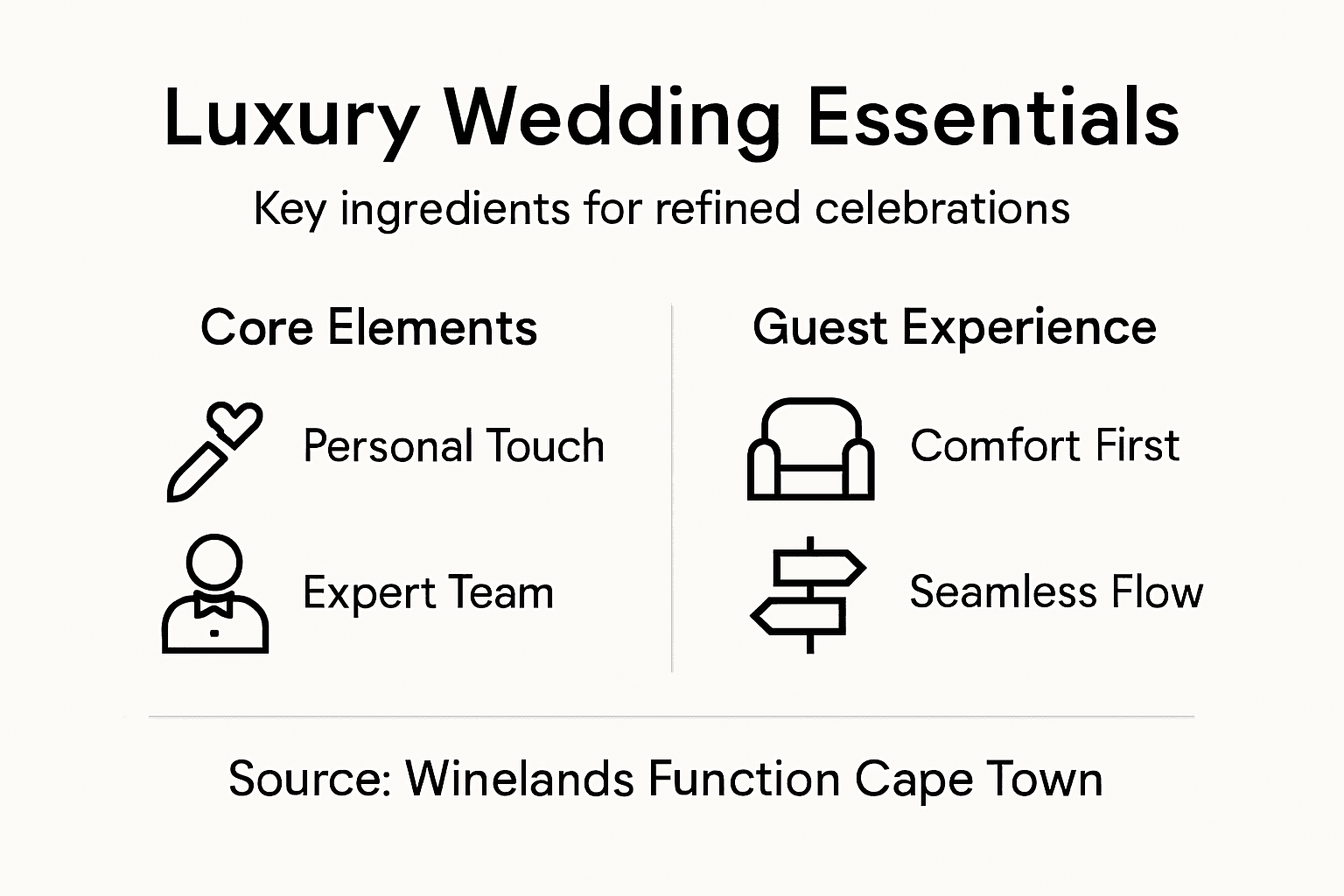
The difference between a well-executed wedding and a genuinely luxurious celebration often hinges on how these essentials work together in harmony. When a planner truly understands how to manage luxury brand experiences and customer touchpoints, they can transform a beautiful venue and excellent vendors into something transcendent. They anticipate what you need before you realise it, manage unexpected challenges with grace, and ensure every guest interaction reinforces the sophistication and care you have invested.
Pro tip: Define your “luxury” personally before meeting with planners. Is it intimate gatherings in stunning natural settings, elaborate multi-day celebrations, or curated experiences for 50 close friends? Your clear vision becomes the foundation for every decision that follows.
Navigating Venue Selection and Curation
Venue selection represents far more than choosing a beautiful backdrop. It is the foundation upon which your entire celebration unfolds, influencing everything from guest flow and logistics to the emotional tone of your event. For luxury weddings in Cape Town, your venue must function as an extension of your personal narrative, one that resonates with who you are whilst offering the sophisticated infrastructure necessary for a seamless experience. This means moving beyond simply viewing photographs and considering how a space aligns with your vision, values, and the story you want to tell your guests.
True curation in venue selection involves selecting and organising options with intentional purpose, much like curating an art collection or museum exhibition. Rather than evaluating every available space, luxury planning focuses on identifying three to five venues that genuinely match your aesthetic, guest count, and experiential goals. This curated shortlist allows you to make meaningful comparisons rather than becoming overwhelmed by options. Each venue should be assessed not just for its visual appeal but for practical considerations: capacity without feeling cramped, natural lighting possibilities, existing décor requiring minimal enhancement, weather contingencies, and accessibility for all your guests. In Cape Town, this might mean choosing between a wine estate with panoramic valley views, a contemporary penthouse in the city bowl, an intimate garden setting in Constantia, or a clifftop location along the Atlantic coastline. Each offers entirely different advantages and atmospheres.
The curation process itself demands collaboration and clarity about what matters most to you. Before scheduling venue visits, articulate your non-negotiables. Is guest comfort paramount? Does the venue need to accommodate both ceremony and reception seamlessly? Will you require multiple breakout spaces for different activities? Do you want the venue itself to be the statement, or do you prefer a neutral canvas for your styling vision? Community-based collaborative approaches to curation emphasise planning, diversity, and inclusivity as core principles. Translated to your wedding, this means ensuring your chosen venue can accommodate all guests comfortably, reflects your values as a couple, and provides your planner with adequate flexibility for the experiences you want to create. Walk through each venue at the same time of day you plan to host your event. Notice how light moves through the space, where natural congregation points form, and whether the venue’s staff understand the demands of luxury hospitality.
To help clarify priorities, compare venue selection factors:
| Factor | Why It Matters | Cape Town Example |
|---|---|---|
| Emotional Connection | Deepens guest impact | Wine estate with family history |
| Practicality | Enables smooth operations | Easy parking and access |
| Flexibility | Adapts to unique ideas | Multiple indoor-outdoor spaces |
| Atmosphere | Shapes celebration’s mood | Clifftop with ocean views |
Pro tip: Visit your top three venues with your planner present, not just your fiancé. A seasoned professional spots logistical realities and design possibilities you might miss, fundamentally changing how you experience the space.
Building Your Dream Team of Suppliers
Your suppliers define your wedding experience far more than any single vendor acting alone. A florist working in isolation from your planner cannot anticipate spatial constraints. A caterer unfamiliar with your style preferences may deliver technically excellent food that feels misaligned with your vision. A photographer who does not understand the emotional architecture of your day may miss the quiet moments that matter most. Building your dream team means assembling people who understand luxury standards, communicate effectively with one another, and share your commitment to excellence. This is not about hiring the most expensive option in each category. It is about finding professionals whose philosophy, experience, and temperament align with how you want your celebration to feel.
Start by identifying the core suppliers your celebration requires. For most luxury weddings in Cape Town, this includes catering, floristry, photography, videography, music or DJ services, stationery and invitations, and potentially speciality services like coordination, styling, or entertainment. Rather than approaching each vendor independently, think about how they function as a system. Building stronger supplier partnerships requires effective onboarding, trust-building, and collaborative engagement, principles that apply equally to your wedding team. Introduce your suppliers to one another early. Schedule a collective meeting where your florist, caterer, and planner discuss logistics, design flow, and timing. This single conversation prevents misunderstandings that might otherwise surface two weeks before your wedding.
Trust forms the bedrock of exceptional supplier relationships. When you build trust with your suppliers through transparency and regular communication, you create the psychological safety necessary for them to propose creative solutions and flag potential challenges early. This means being clear about your budget, honest about your aesthetic preferences, and realistic about timelines. Ask potential suppliers detailed questions about their process, their experience with similar celebrations, and how they handle unexpected complications. Request references from recent clients and contact them directly. A caterer with five years of luxury Cape Town weddings brings vastly different knowledge than someone pivoting from corporate events. Look for professionals with deep expertise in your specific celebration type and scale. Finally, prioritise vendors who demonstrate genuine interest in understanding your story. Someone who asks thoughtful questions about your relationship, your values as a couple, and what matters most to you will create experiences that feel authentically yours rather than templated and generic.
Pro tip: Request a pre-wedding coordination meeting with your entire supplier team at least six weeks before your celebration date, with your planner facilitating discussion of logistics, design alignment, and contingency plans for common challenges.
Budgeting, Contracts, and Legal Safeguards
Money conversations feel uncomfortable, yet they represent the single most important negotiation you will have with your vendors. A luxury wedding in Cape Town might range from R150,000 for an intimate celebration to R2 million for a multi-day event with international guests, but the budget discussion matters equally regardless of scale. Your budget is not simply a number to announce. It is a strategic framework that shapes every decision from venue choice through to catering style, guest count, and timeline. Being transparent about your budget from the outset prevents wasted time, ensures vendors can deliver authentically within your means, and creates the foundation for honest conversations when decisions require adjustment. Some couples feel anxiety about revealing financial constraints, yet experienced luxury planners appreciate clarity because it allows them to allocate resources intelligently.
Contracts exist to protect both you and your vendors. Rather than viewing them as adversarial documents, understand contracts as the written agreement that safeguards expectations. Effective contract management involves clear performance expectations, risk mitigation strategies, and defined supplier relationships, principles that translate directly to wedding vendor agreements. Your contracts should specify exact deliverables, payment schedules, cancellation policies, liability limitations, and what happens if either party cannot fulfil their obligations. For catering, this means documenting guest count confirmations, menu selections, dietary requirements, service style, and staffing ratios. For photography, specify the number of hours, final image delivery timeline, copyright terms, and whether additional services like albums or prints are included. For venue hire, clarify setup and breakdown times, included services, external vendor policies, and contingency arrangements for weather or emergency circumstances. Request that every vendor provide their contract in writing. Verbal agreements, no matter how friendly the conversation, create confusion and conflict when memories diverge.
Payment terms typically follow a structure: a deposit to confirm the vendor’s availability (usually 25 to 50 percent), a second payment at a milestone such as final confirmations (another 25 to 50 percent), and a final balance due a specified number of days before your event. This structure protects you because vendors remain motivated to deliver excellence, whilst also protecting them from clients who disappear without payment. Never pay the full amount excessively early, and avoid paying cash without documentation. Understand that cancellation policies vary significantly. Some vendors charge full fees if you cancel within 90 days of your wedding. Others build in flexibility. Discuss these terms upfront and ensure you understand what happens if circumstances change.
Consider engaging a legal professional to review your major contracts, particularly venue agreements and large catering or coordination contracts. The investment in professional review typically costs R1,500 to R3,000 but prevents costly disputes later. This professional can identify unusual liability clauses, unfair termination conditions, or financial exposure you might otherwise miss. Additionally, ensure your planner and all vendors carry appropriate professional indemnity and public liability insurance. Request certificates of currency that demonstrate coverage is active. This provides recourse if something goes catastrophically wrong during your event.
Pro tip: Create a master payment timeline spreadsheet documenting what each vendor requires, when payments are due, and the confirmation process for final numbers, then share this with your planner so nothing falls through the cracks.
Personalising Design and Exceptional Guest Experience
Your wedding design tells your story before a single guest arrives. When someone steps into your venue, the colours, textures, lighting, scents, and spatial arrangement communicate something profound about who you are as a couple. Exceptional design in luxury celebrations goes far beyond aesthetic beauty. It functions as an invisible storyteller, guiding guests through an emotional journey whilst making them feel genuinely welcomed and considered. This is the distinction between a visually stunning wedding and one that actually feels personal. A room filled with expensive flowers arranged in predictable patterns looks impressive from a distance. A thoughtfully curated space that incorporates your favourite colours, references meaningful locations in your relationship, and includes intimate touches that reflect your shared interests feels like an extension of your home and values.
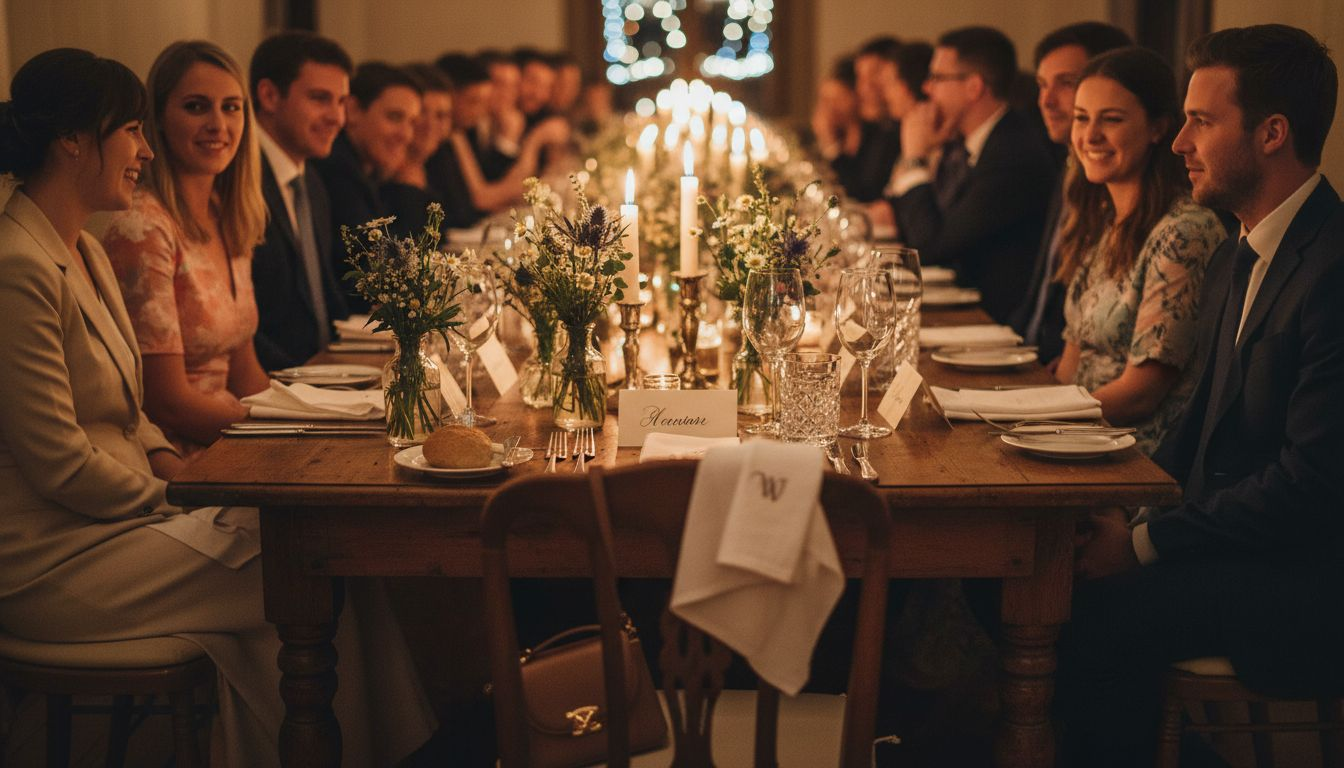
Personalisation through storytelling and understanding guest preferences transforms a celebration into something profoundly memorable. Consider every sensory touchpoint your guests encounter. What music greets them as they arrive? What does the air smell like as they enter your venue? What textures do they touch? What flavours do they experience? A luxury Cape Town wedding might incorporate local wine estates into your décor narrative, feature table names reflecting places you have travelled together, or use seasonal flowers from suppliers you have built relationships with. These details cost no more than generic alternatives, yet they create depth and authenticity that guests remember years later. Personalisation also extends to how you sequence your celebration. Rather than following rigid timelines, consider what emotional beats matter most. Perhaps you want unrushed cocktail hour allowing genuine conversation. Perhaps you want games or interactive moments that reflect your personalities. Perhaps you want surprise performances or unexpected experiences that guests will discuss endlessly afterward.
Experience design frameworks emphasise sensory engagement and thematic attachment, principles that translate directly to luxury wedding curation. This means thinking beyond what your celebration looks like and considering what it feels like to move through it. Work with your planner and designer to map the guest journey from arrival through departure. Where do guests feel most welcomed? Where do natural gathering points emerge? Where might you create unexpected moments of surprise or delight? Consider how lighting changes throughout your celebration, how transitions between spaces feel, and how the energy builds and releases. Every decision, from music selection to table heights to whether you have a receiving line, shapes how guests experience your day.
Guest comfort forms the foundation of exceptional experience design. Luxury means your guests never feel rushed, too cold, too hot, or uncertain about what happens next. Provide clear signage, ensure seating is genuinely comfortable, offer beverage stations throughout your venue, and anticipate needs before guests must ask. This might mean having blankets available for outdoor garden celebrations, providing shade during afternoon events, or ensuring dietary requirements receive attentive service. The most sophisticated celebrations feel effortless to guests because meticulous planning happens invisibly behind the scenes. Your planner should communicate timelines to all staff, brief them on your celebration’s emotional intent, and ensure everyone understands their role in creating the experience you envision.
Pro tip: Create a detailed “guest experience map” documenting the sensory experience at each stage of your celebration, from arrival through to departure, then review it with your designer and planner to ensure nothing feels disconnected or overlooked.
Elevate Your Luxury Wedding Planning Experience with Expert Guidance
Luxury wedding planning is a journey filled with detailed decisions around personalization, seamless logistics and crafting an unforgettable guest experience. The challenge lies in transforming your unique love story into a flawlessly executed celebration that feels both exclusive and effortless. If you seek to avoid hidden stress from venue choices, vendor misalignment or budget confusion, embracing a dedicated professional team is essential.
Winelands Function in Cape Town specialises in delivering these exact solutions. Our expertise ensures your celebration reflects your values and aesthetic vision through careful venue curation, strategic vendor partnerships, and meticulous contract management. We create immersive narratives that captivate guests while handling every behind-the-scenes detail with care.
Don’t let luxury become an overwhelming puzzle. Discover how our personalised planning approach can turn your dream wedding into reality. Visit Winelands Function today to explore our curated portfolio of services and read more about how we bring elegance and reliability to your special day. Start your journey now and ensure your luxury celebration is as extraordinary as your story.
Frequently Asked Questions
How does luxury wedding planning differ from traditional wedding planning?
Luxury wedding planning focuses on curated experiences, exceptional attention to detail, and reflects the unique story and aesthetic of the couple, rather than just a larger budget or venue.
What are the essential elements of luxury wedding planning?
The key elements include personalisation at scale, vendor expertise and alignment, seamless logistics, and strategic pacing, all of which contribute to a stress-free and memorable experience for guests.
How can I select the right venue for my luxury wedding?
Choosing the right venue involves identifying spaces that resonate with your personal narrative and aesthetic, assessing practical considerations like capacity and accessibility, and ensuring the venue aligns with your overall vision.
What should I consider when building a team of suppliers for my luxury wedding?
It’s important to select suppliers who understand luxury standards, communicate effectively, and share your vision for the celebration. Strong supplier relationships and trust are essential for a cohesive and exceptional wedding experience.
Recommended
- Cape Town Wedding Planner: Elevating Luxury Celebrations – Winelands Function – For Every Occasion, Your Celebration
- Ultimate Wedding Planner: Elevating Bespoke Celebrations – Winelands Function – For Every Occasion, Your Celebration
- 7 Essential Event Management Tips for Luxurious Weddings – Winelands Function – For Every Occasion, Your Celebration
- Planning a Wedding Proposal: Create a Perfect Luxury Moment – Winelands Function – For Every Occasion, Your Celebration