

TL;DR:
- Personalization at events is now an essential expectation, requiring intentionality over complex technology or high budgets.
- Effective personalization builds attendee trust, engagement, and post-event loyalty by focusing on genuine insights and simple touches.
- Starting with small, targeted strategies and unified data allows planners to deliver memorable experiences without overspending or overcomplicating processes.
Personalization in event planning is no longer a differentiator. It has become a baseline expectation. Yet the gap between ambition and execution remains startling: only 3% of organizers currently use AI-powered personalized journeys, while the majority offer nothing beyond a name badge and a generic schedule. The good news is that truly memorable events do not require sophisticated technology or unlimited budgets. What they require is intention. This guide cuts through the noise to show you what personalization actually means, where most planners go wrong, and how to build tailored experiences that guests genuinely remember.
Table of Contents
- Key takeaways
- What personalization in event planning really means
- Common personalization myths that trip planners up
- Data-driven personalization strategies that actually work
- Personalization before, during, and after the event
- Starting personalization on any budget
- My honest take on personalization
- How Winelandsfunction brings personalization to life
- FAQ
Key takeaways
| Point | Details |
|---|---|
| Personalization drives loyalty | 71–77% of younger attendees report higher brand trust after personalised live event interactions. |
| Behavioural data outperforms surveys | Real attendee actions are 2–3x more reliable than registration forms for guiding personalization decisions. |
| Simple touches matter most | Small gestures, such as a personalised welcome note or curated seating, create stronger emotional memory than flawless automation. |
| Start with one feature | Piloting a single personalization element before scaling prevents data fragmentation and overwhelm. |
| Consent underpins everything | Transparent, first-party data collection builds the trust that makes personalization possible at any scale. |
What personalization in event planning really means
Many planners conflate personalization with customization. They are related but not the same. Customization means changing something for a group. Personalization means adapting an experience for an individual, based on who they actually are and how they actually behave.
At its simplest, personalization in event planning can be a welcome note that references a guest’s role or company. At its most sophisticated, it is a behaviour-responsive agenda that updates session recommendations in real time as an attendee moves through a venue. Both are valid. Both work. The difference lies in the data you have available and the intent behind how you use it.
The business case is compelling. 84% of business leaders now view in-person events as critical to success, and 80% of top-performing companies are actively increasing their event budgets to deliver more tailored experiences. Personalization is not a cosmetic upgrade. It is a commercial decision.
Here is what effective event personalization actually influences:
- Attendee trust. When guests feel seen as individuals rather than ticket numbers, they extend trust to the brand or host behind the event.
- Engagement depth. Personalised agendas and curated networking reduce cognitive overload. Attendees stop scrolling through everything and start engaging with what matters to them.
- Post-event loyalty. A follow-up email that references the specific sessions someone attended is not just polite. It is proof that someone was paying attention.
- Word-of-mouth. Personalised experiences are memorable experiences. Memorable experiences get shared.
The distinction between basic and advanced personalization matters less than most planners think. What matters is whether your personalization is intentional. A thoughtfully designed place card that acknowledges a guest’s dietary preference and professional interest will outperform a generic AI recommendation engine that nobody trusts. Start with intent, then add technology when it genuinely serves that intent.
Common personalization myths that trip planners up
The most damaging myth in this space is that personalization requires a complex tech stack or a data science team. It does not. Successful hyper-personalization is actually about reducing noise and guiding attendees toward what matters, not adding more features to an already cluttered experience.
The second myth is that more data automatically produces better personalization. It does not. Personalization without unified first-party data leads to fragmented guest experiences that feel inconsistent and, at times, intrusive. Many planners collect data at registration, then collect different data through an event app, then collect post-event feedback, and never connect the three. The result is three disconnected datasets and no coherent picture of the individual.
Common pitfalls worth avoiding:
- Over-segmentation. Dividing attendees into dozens of micro-segments without enough data to act meaningfully on each one creates more confusion than clarity.
- Relying solely on self-reported data. What people say they want and what they actually engage with are often very different things.
- Static personalization. Sending one personalised email before the event and then treating everyone identically on the day is not a strategy. It is a missed opportunity.
- Ignoring consent. Collecting data without transparency damages trust faster than any personalization can rebuild it.
Pro Tip: Ask yourself one question before adding any personalization feature: does this help the attendee, or does it primarily help you? If the honest answer is the latter, go back to the drawing board.
The reality is that 53% of event organizers currently offer only basic personalization. That is actually an advantage for anyone willing to think more carefully about the attendee experience. The bar is lower than it appears.
Data-driven personalization strategies that actually work
Effective personalization runs on data. But not all data is created equal. Here is how to build a data strategy that is both practical and genuinely useful.
Step 1: Start with strategic segmentation
Do not try to personalize for every conceivable attendee type at once. Begin with two or three meaningful segments. First-time attendees versus returning guests is one of the most productive starting points. Their needs, familiarity with the format, and networking goals are genuinely different.
Step 2: Use progressive profiling
Rather than asking for everything at registration, collect a small amount of information upfront and add to it over time. A brief pre-event survey sent one week before the event can gather preferences without overwhelming people at the point of sign-up.
Step 3: Prioritise behavioural data
Behavioural data is 2–3x more reliable than self-reported registration data for real-time personalization. Which sessions does someone actually attend? Which exhibitor stands do they visit? How long do they spend in networking areas? These actions tell you far more than a checkbox on a form.
Step 4: Build a unified attendee profile
Link registration data, onsite behaviour, and post-event responses into a single profile. This is the foundation of any personalization that works across multiple touchpoints. Without it, each stage of the event feels like a different experience from a different host.
The table below outlines how different data types map to personalization opportunities:
| Data type | Source | Best used for |
|---|---|---|
| Registration data | Sign-up form | Initial segmentation, dietary needs, role-based content |
| Behavioural data | App, badge scans | Real-time recommendations, networking matches |
| Preference data | Pre-event survey | Personalised agendas, thematic seating |
| Post-event data | Follow-up survey | Tailored communications, future event design |
Personalization before, during, and after the event
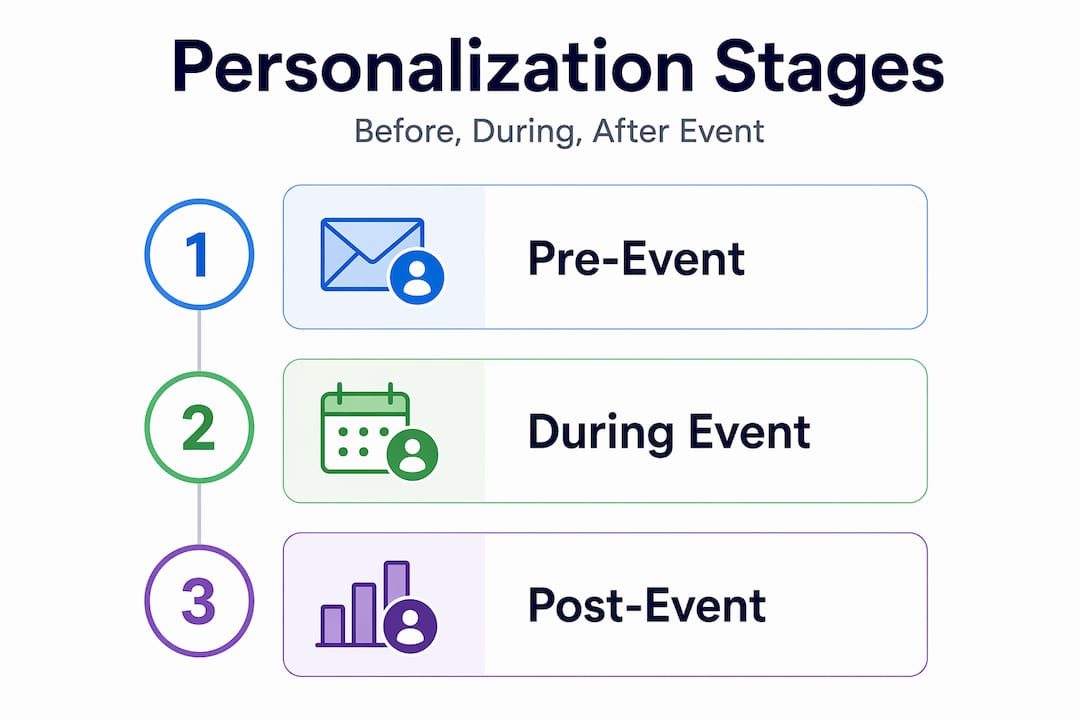
The best personalised event experience guide treats the event not as a single day, but as a lifecycle with three distinct phases. Each phase offers different personalization opportunities.
Before the event
Pre-event personalization sets the tone. Segmenting email communications by ticket type and attendance history alone improves engagement significantly. Go further by sending different content to first-time attendees (what to expect, how to navigate the venue) versus returning guests (what is new, who else is attending in their sector).
Personalised subject lines boost email open rates by 25–40% compared to generic alternatives. That is not a marginal gain. It is the difference between an attendee who arrives prepared and engaged versus one who barely glanced at the pre-event communication.
Other pre-event touches worth considering:
- Personalised digital or physical agendas based on stated interests
- A welcome video or message tailored to specific guest segments
- Pre-curated networking suggestions based on industry or role
During the event
This is where behavioural data earns its value. Behaviour-responsive agendas and real-time session recommendations, when done well, increase session attendance and sponsor interactions by up to 30–44%. However, you do not need an app to personalize the live experience.
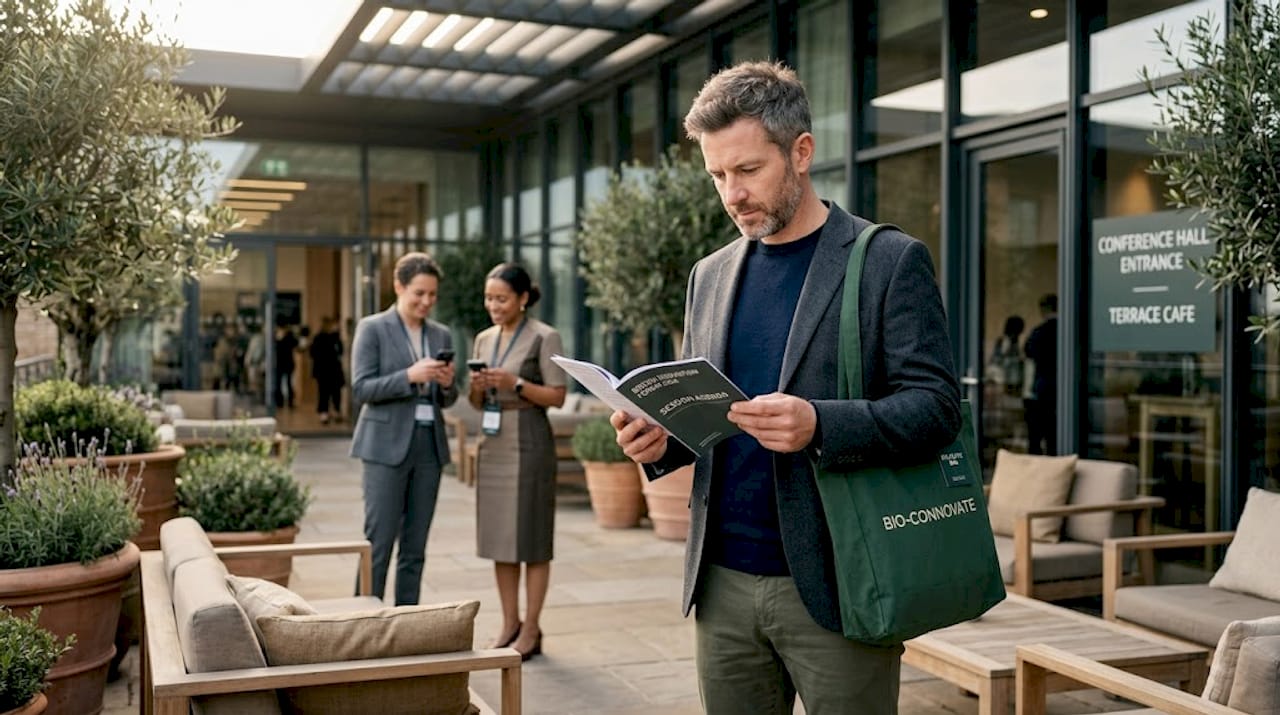
Simple, non-tech approaches work beautifully. Colour-coded name badges that signal professional interests. Thematic networking zones with conversation prompts, which research shows significantly enhance networking quality. A personalised dessert or table gift that references something specific about the guest creates a moment of genuine delight. Small personalised touches build stronger emotional memory than flawless but impersonal automation, every time.
Pro Tip: Assign a team member specifically to notice and respond to individual attendee moments during the event. The human layer of personalization, a staff member who remembers your name or your dietary note, is often more memorable than any digital feature.
After the event
Most follow-up communications are generic. They thank everyone for attending, list a few highlights, and call it done. A personalised follow-up references the specific sessions an attendee visited, the speakers they engaged with, or the connections they made. This requires unified data, but it converts a forgettable email into proof that the event was genuinely attentive to each guest. For luxury event follow-up done well, the communication itself becomes part of the experience.
Starting personalization on any budget
The most common reason planners avoid personalization is cost. But the entry point is much lower than most assume. Here is how to begin without a large budget or a technical team:
- Collect meaningful data at registration. Ask two or three specific questions beyond name and email. Professional role, dietary requirements, and one topic of interest are enough to start.
- Use manual but intentional techniques. Handwritten welcome notes, personalised place cards, and interest-based table groupings all create personalised experiences without technology.
- Pilot one feature. Choose a single personalization element, such as segmented pre-event emails, and measure its impact before adding more.
- Respect privacy visibly. Tell attendees exactly what data you collect and why. Transparent consent is not just a legal requirement. It is a trust signal that makes guests more willing to share information.
- Scale gradually. Once you understand which personalization elements drive the most engagement, invest in tools or tailored event solutions that amplify what already works.
The goal is not to personalize everything. It is to personalize the moments that matter most.
My honest take on personalization
I have watched planners spend months building complex attendee data dashboards, only to deliver events where guests still felt like they were in a crowd. And I have seen a single, carefully written welcome note turn a nervous first-time attendee into a loyal, recurring guest. The contrast is instructive.
My honest view is that the event industry has a slight obsession with features right now. AI session matching, predictive networking algorithms, real-time sentiment tracking. These tools have genuine value when the fundamentals are solid. But too often, planners reach for technology to compensate for not knowing their guests well enough in the first place.
What I have learned is this: personalization is a mindset before it is a method. When you plan an event genuinely asking “what does this person need at this moment,” the right techniques become obvious. Sometimes it is an algorithm. More often, it is a thoughtful seating arrangement or a follow-up call.
Data quality matters more than data quantity. One precise behavioural insight about what a guest actually did at your event is worth ten checkbox answers from a registration form. Start there. Build from what is real.
And start small. One personalised element, executed with genuine care, will always outperform five half-hearted attempts spread across a sprawling tech platform. Give yourself permission to do less, but do it with full attention.
— Coert
How Winelandsfunction brings personalization to life
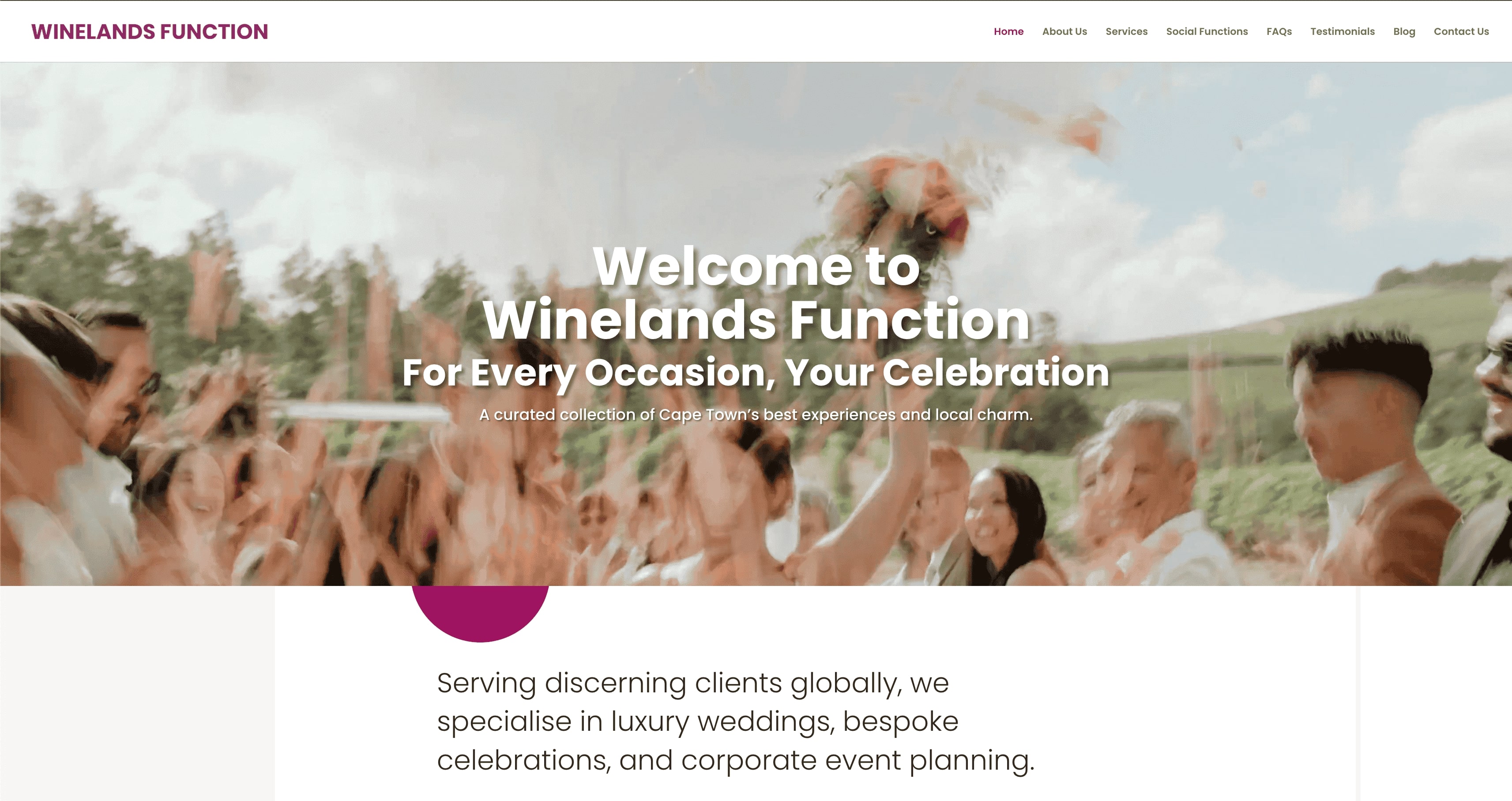
If this article has convinced you that personalization is worth pursuing, Winelandsfunction is built precisely to help you execute it. Based in Cape Town and specialising in high-end weddings, corporate events, and bespoke celebrations, Winelandsfunction approaches every event as an individual commission, not a template. Their team works from conception to final guest departure, weaving personalised details into every layer of the experience. Whether you are coordinating an intimate dinner or a grand corporate launch, their luxury event management service gives you the framework to personalize at scale. For those planning something truly bespoke, the bespoke party planning process page outlines exactly how Winelandsfunction crafts celebrations that guests genuinely remember.
FAQ
What does personalization in event planning mean?
Personalization in event planning means adapting the event experience to individual attendees based on their preferences, behaviour, or identity, rather than offering a uniform experience to everyone. It ranges from personalised communications before the event to curated agendas and tailored follow-ups.
Do you need technology to personalize an event?
No. Many highly effective personalization techniques require no technology at all. Handwritten welcome notes, interest-based seating, and segmented communications can all be done manually. Technology amplifies personalization once the fundamentals are in place, but it is not the starting point.
Why do personalised events perform better?
Personalised events build trust and deepen engagement. Younger attendees are 71–77% more likely to trust a brand after a personalised live event interaction, and attendees who receive relevant communications are significantly more likely to act on them.
What is the biggest mistake in event personalization?
The most common mistake is collecting data without unifying it. Registration data, app behaviour, and post-event feedback captured in separate systems produce fragmented experiences that feel inconsistent. A single, connected attendee profile is the foundation of effective personalization.
How do I start personalizing events on a small budget?
Begin with two or three targeted questions at registration, segment your pre-event communications by attendee type, and introduce one personalised element such as a welcome note or thematic networking zone. Measure the impact before adding more complexity.
Recommended
- Master the Personalized Event Planning Process for Luxury Occasions – Winelands Function – For Every Occasion, Your Celebration
- Complete Guide to Bespoke Celebration Planning – Winelands Function – For Every Occasion, Your Celebration
- 7 Essential Event Management Tips 2025 for Luxury Planners – Winelands Function – For Every Occasion, Your Celebration
- Personalised luxury events that guests never forget – Winelands Function – For Every Occasion, Your Celebration