

Over 70 percent of successful events start with a well-defined vision and precise objectives. Planning an unforgettable event requires more than just creativity—it calls for careful strategy and detailed organization at every stage. Whether you are hosting a small gathering or a large celebration, knowing exactly how to turn your ideas into reality can save you time, money, and stress. This step-by-step guide breaks down the key actions that transform your event dreams into seamless, memorable experiences.
Table of Contents
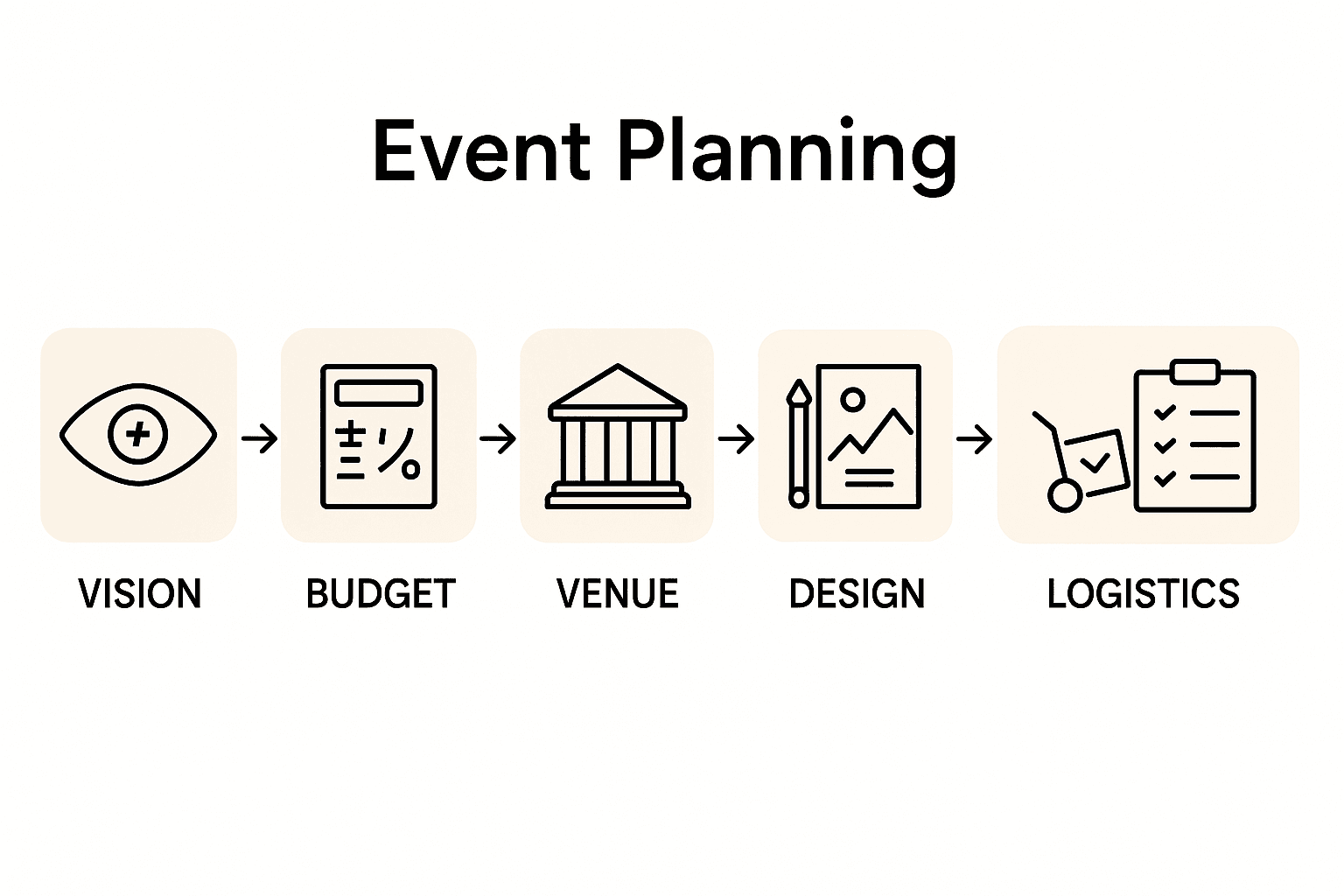
- Step 1: Define Vision And Objectives
- Step 2: Establish Budget And Allocate Resources
- Step 3: Select Venue And Secure Suppliers
- Step 4: Design Tailored Event Experience
- Step 5: Coordinate Logistics And Implement Plans
- Step 6: Review Quality And Ensure Client Satisfaction
Quick Summary
| Key Point | Explanation |
|---|---|
| 1. Define a clear vision | Establish a specific, inspiring vision to guide your event planning process. It serves as a reference for all decisions. |
| 2. Create a detailed budget | Break down expenses into categories and prioritize spending to ensure financial discipline. Include a contingency fund of 10-15%. |
| 3. Choose the right venue | Select a venue that matches your event size and style while meeting logistical needs. Conduct site visits for a better fit. |
| 4. Design a memorable experience | Craft a cohesive narrative through sensory details like decor and music. Create a mood board for consistency across elements. |
| 5. Conduct a thorough post-event review | Evaluate the event’s success with specific metrics. Analyze client feedback to identify strengths and areas needing improvement. |
 |
|
Step 1: Define vision and objectives
Before diving into planning, you’ll establish the heart and soul of your event by creating a clear vision and setting precise objectives. According to the SA Buffalo Event Planning Guide, identifying your target audience and event purpose forms the critical foundation for successful event management.
Starting with your vision means painting a vivid picture of what you want to achieve. Think of it like creating a roadmap that guides every subsequent decision. Ask yourself key questions: What emotional experience do you want guests to have? What lasting impression should your event create? Your vision transforms a generic gathering into a memorable, purposeful celebration. CDC’s Professional Development Guide suggests breaking this down into concrete goals that are specific, measurable, and aligned with your overall event strategy.
Pro tip: Write down your vision statement in one concise sentence. Make it inspiring yet practical. This becomes your north star throughout the planning process, helping you stay focused and make decisions that consistently support your original intention.
With your vision crystallised, you’re now ready to move into detailed event planning strategies that will bring your concept to life.
Step 2: Establish budget and allocate resources
Establishing a robust budget is the financial blueprint that transforms your event vision into reality. According to Eventtia, creating a comprehensive budget requires careful tracking and strategic prioritization of your financial resources.
Begin by conducting a thorough inventory of potential expenses. EVM Institute recommends breaking down your budget into specific categories such as venue, catering, entertainment, decor, and logistics. Start with your highest priority items and allocate funds accordingly. Consider creating a spreadsheet with columns for estimated costs, actual expenses, and a buffer for unexpected expenditures. This approach allows flexibility while maintaining financial discipline.
Pro tip: Always include a contingency fund of 10-15% of your total budget. Unexpected costs are almost guaranteed in event planning, and having this financial cushion can prevent last minute stress and potential compromises.
With your budget meticulously mapped out, you are now prepared to move forward with confident financial planning and resource allocation.
Step 3: Select venue and secure suppliers
Selecting the right venue and suppliers is the pivotal moment where your event vision begins to take physical shape. SA Buffalo Event Planning Guide emphasizes the critical importance of choosing a venue that not only matches your event’s size and style but also accommodates your specific logistical requirements.
Start by creating a comprehensive checklist of venue must-haves. Consider capacity, location, amenities, and technical requirements. According to EVM Institute, venue costs typically consume a significant portion of your budget, so prioritize venues that offer the best value. When securing suppliers, request multiple quotes and detailed service breakdowns. Look for professionals who understand your event’s unique vision and can demonstrate flexibility and creativity.
Pro tip: Schedule site visits and supplier meetings in person whenever possible. Photos and online portfolios are helpful, but experiencing the venue atmosphere and meeting suppliers face to face will give you a much clearer sense of their capabilities and compatibility with your event goals.
With your venue secured and key suppliers confirmed, you’re now ready to move into the detailed planning and coordination phase of your celebration.
Step 4: Design tailored event experience
Designing a truly memorable event experience goes far beyond simple logistics it requires crafting a narrative that resonates with your guests. Wikipedia’s Interpretive Planning emphasizes the importance of creating meaningful experiences by effectively communicating core messages through strategic design elements.
Begin by mapping out the emotional journey you want your guests to experience. Consider every touchpoint from arrival to departure as an opportunity to tell a story. According to Event Chain Methodology, understanding how different event elements interconnect can help you design a cohesive and compelling experience. Think about sensory details such as lighting, music, decor and flow that will create a consistent atmosphere aligned with your event’s vision. Each design choice should feel intentional and contribute to an overarching narrative that makes your celebration unique.
Pro tip: Create a detailed mood board that captures the essence of your event concept. This visual planning tool will help you maintain consistency across all design elements and communicate your vision clearly to vendors and collaborators.
With your tailored event experience meticulously designed, you are now prepared to move into the intricate details of event coordination and final preparations.
Step 5: Coordinate logistics and implement plans
Coordinating logistics is where your meticulously crafted event plan transforms from concept to reality. Event Chain Methodology provides a critical framework for managing the complex interdependencies that can make or break your event’s success, helping you anticipate and navigate potential challenges before they arise.
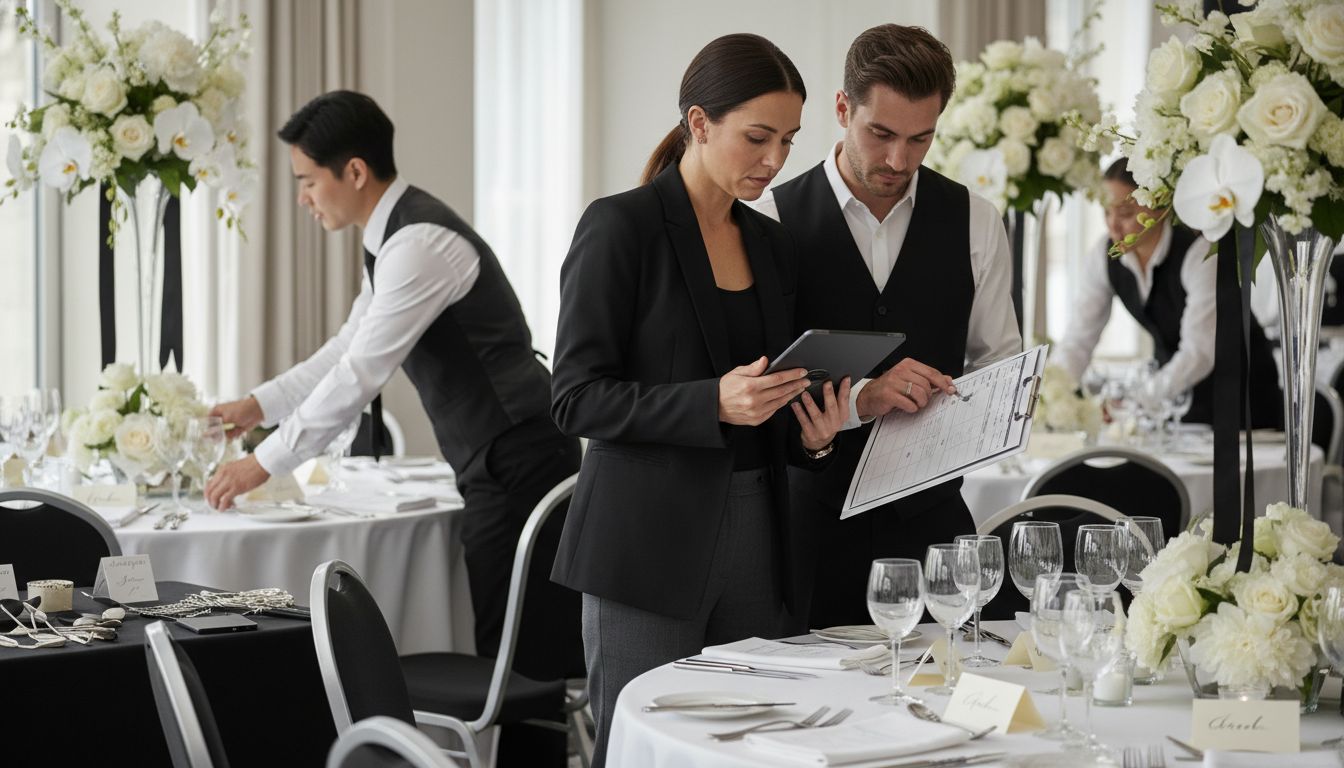
Start by creating a comprehensive timeline that maps out every single detail from vendor arrival schedules to guest registration processes. According to the Rational Planning Model, verifying and clearly defining each logistical element is crucial for smooth implementation. Break down your master timeline into granular hourly segments, assigning specific responsibilities to your team members. Confirm that each supplier understands their precise role and arrival window. This level of detailed coordination ensures that every element of your event will flow seamlessly.
Pro tip: Develop a master communication document that includes contact information, specific roles, and backup plans for each team member and key supplier. Having this readily accessible will help you quickly resolve any unexpected issues that might emerge during the event.
With your logistics meticulously coordinated, you are now prepared to transition into the final stages of event execution and management.
Step 6: Review quality and ensure client satisfaction
Reviewing your event’s quality and ensuring client satisfaction is the final crucial step that transforms a good event into an extraordinary experience. SMART Criteria provide an excellent framework for evaluating your event’s success by establishing specific, measurable, achievable, relevant, and time bound objectives against which you can assess performance.
Begin by conducting a comprehensive post event review that goes beyond surface level impressions. According to Intervention Mapping, developing a structured evaluation protocol allows you to systematically analyse every aspect of the event. Schedule a detailed debrief with your client to understand their perspective gather specific feedback and identify both strengths and potential areas of improvement. Create a structured feedback form that captures quantitative ratings and qualitative comments about different elements of the event experience from venue and catering to overall atmosphere and emotional impact.
Pro tip: Document everything meticulously. Keep a detailed record of client feedback client satisfaction scores and your own observations. This information becomes invaluable for refining your approach in future events and demonstrating your commitment to continuous improvement.
With a thorough quality review completed you have now successfully navigated the entire event planning journey from initial concept to final evaluation.
Elevate Your Elegant Celebrations with Expert Planning Support
Planning an event step by step can feel overwhelming when balancing vision definition, budgeting, venue selection, and flawless coordination. The challenge lies in transforming your grand ideas into a seamless reality while ensuring every detail reflects your personal style and creates the perfect emotional journey for your guests. If you seek to move beyond logistics to craft a truly sophisticated celebration, understanding the importance of vision clarity, tailored experiences, and meticulous planning is essential.
At Winelands Function, we specialise in luxury event planning that brings your aspirations to life with grace and precision. Our expertise covers everything from establishing your event’s core objectives to reviewing its success to ensure client satisfaction at every stage. Explore our curated portfolio to discover how we deliver elegance in weddings, corporate launches, and bespoke events. With our attention to detail and refined service, we help you create memorable moments without the stress.
Ready to turn your elegant event planning steps into a flawless celebration? Visit Winelands Function today to begin your bespoke journey. Learn more about how we can assist you with luxury event coordination and ensure that every detail is thoughtfully perfected. Act now and let us transform your vision into an extraordinary experience.
Frequently Asked Questions
How can I define a clear vision and objectives for my elegant celebration?
Start by visualizing the emotional experience you want your guests to have. Ask specific questions, such as what impression you want to create, and write down a concise vision statement that acts as your guiding principle throughout the planning process.
What factors should I consider when establishing a budget for my event?
Break down your budget into categories like venue, catering, and entertainment. To maintain financial discipline, include a contingency fund of 10-15% of your total budget to cover any unexpected expenses that may arise.
What are the key steps to selecting the right venue for my celebration?
Create a checklist of must-haves, focusing on factors like capacity, location, and amenities. Schedule on-site visits to evaluate the atmosphere and ensure the venue aligns with your event vision while providing the best value for your budget.
How can I design a tailored event experience for my guests?
Map out the emotional journey you want your guests to experience, considering every touchpoint from arrival to departure. Use a detailed mood board to ensure consistency in design elements and effectively communicate your vision to collaborators.
What logistics should I coordinate to ensure smooth event execution?
Develop a comprehensive timeline that includes every detail, from vendor arrival to guest registration. Assign specific responsibilities to team members and create a master communication document to facilitate quick resolutions to any unexpected issues.
How do I review my event’s quality and ensure client satisfaction after the celebration?
Conduct a thorough post-event review by scheduling a debrief with your client to gather feedback. Use structured evaluation methods to analyze various aspects of the event, documenting satisfaction scores and observations for future improvement.
Recommended
- Step by Step Wedding Planning for Your Perfect Day – Winelands Function – For Every Occasion, Your Celebration
- 7 Essential Event Planning Tips for Memorable Occasions – Winelands Function – For Every Occasion, Your Celebration
- Master the Bespoke Party Planning Process for Luxury Events – Winelands Function – For Every Occasion, Your Celebration
- Complete Guide to Bespoke Celebration Planning – Winelands Function – For Every Occasion, Your Celebration