
TL;DR:
- Flawless logistics create memorable guest experiences, beyond stunning décor.
- Detailed planning and technology enable seamless event execution and personalized guest journeys.
- Sustainable practices and continuous improvement are essential for luxury event success.
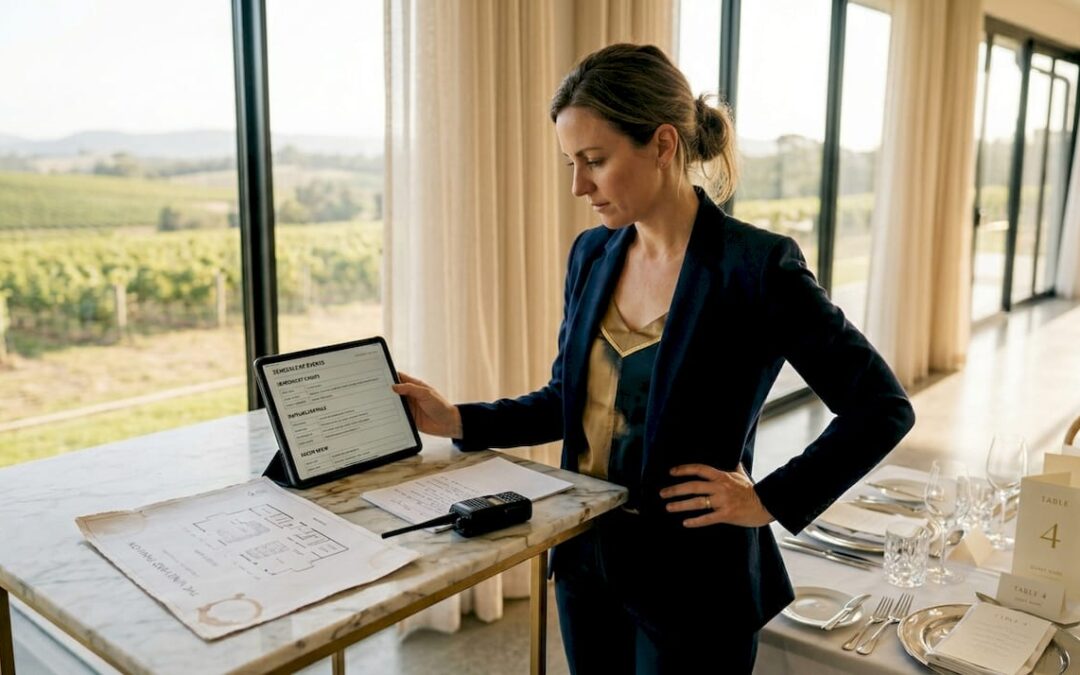
The most breathtaking floral installation in the Cape Winelands cannot save an event where guests waited forty minutes at check-in, the catering arrived late, or the transfer vehicles were nowhere to be found. Stunning décor is the first thing guests photograph, but flawless logistics are what they remember and talk about for years. For affluent clients planning weddings, corporate launches, and milestone celebrations in South Africa, understanding event logistics is not a technical exercise. It is the foundation of every truly extraordinary occasion, and getting it right separates a spectacular event from a merely expensive one.
Table of Contents
- What are event logistics? Core concepts for luxury occasions
- VIP guest journey: Where logistics meet unforgettable experience
- Sustainable and tech-driven logistics: The new luxury standards
- Mastering the logistics plan: Delivering flawless execution
- Why perfect logistics, not extravagance, make luxury unforgettable
- Ready to elevate your next luxury event?
- Frequently asked questions
Key Takeaways
| Point | Details |
|---|---|
| Logistics drive luxury | Behind memorable high-end events is a sophisticated logistics plan, not just stunning décor. |
| Guest experience focus | Every touchpoint is carefully managed for guest comfort, flow, and delight. |
| Sustainability matters | Modern luxury clients demand environmentally responsible and tech-savvy event logistics. |
| ROI is measurable | Logistics success is proven through guest feedback, seamless execution, and overall event impact. |
| Expert help elevates events | Working with professionals ensures flawless planning, adaptability, and a uniquely sophisticated celebration. |
What are event logistics? Core concepts for luxury occasions
Event logistics is the structured coordination of all operational elements required to move people, resources, and information through an event seamlessly. Think of it as the invisible architecture beneath the glamour. Where event planning covers the creative vision and vendor selection, logistics governs how every moving part connects, flows, and performs in real time.
Many clients conflate event planning, coordination, and logistics, yet they serve distinct functions. Event management explained covers the full lifecycle from concept to close, while logistics sits within that framework as the operational engine. The roles in event management are similarly layered, with logistics specialists focusing on execution rather than creative direction.
| Element | Event planning | Event logistics |
|---|---|---|
| Focus | Vision, theme, vendor selection | Movement, timing, operational flow |
| Deliverable | Event concept and brief | Run-of-show and contingency plans |
| Timing | Months before the event | Ongoing through live execution |
| Key skill | Creativity and relationships | Precision and problem-solving |
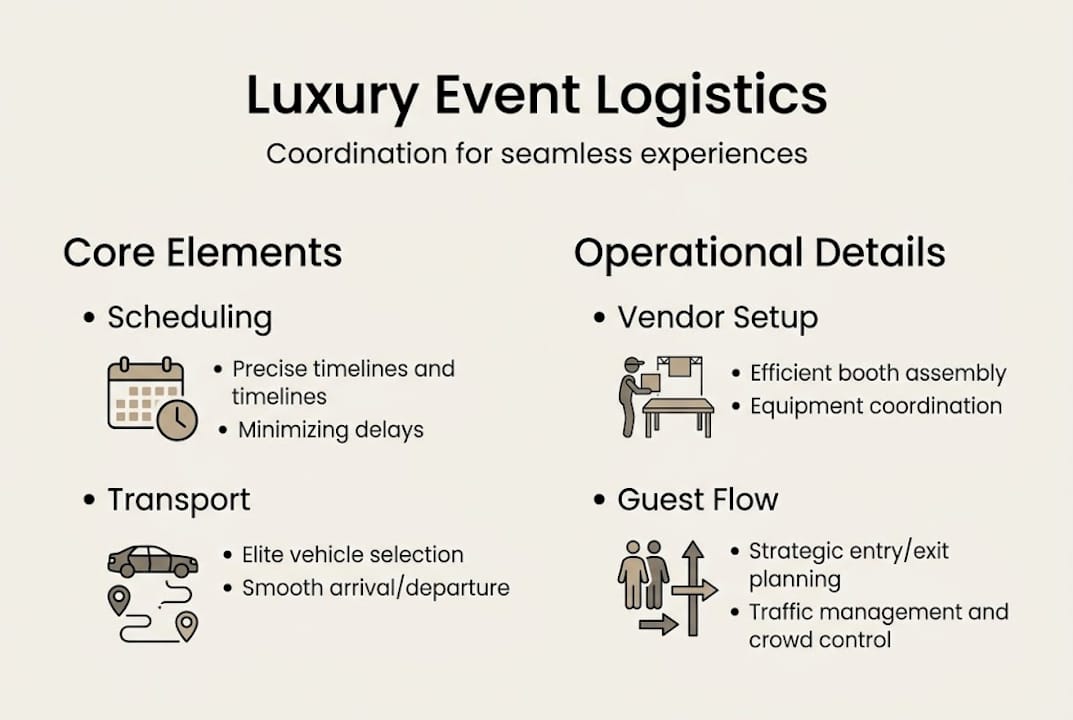
The core components of luxury event logistics include:
- Guest transport and arrival management: private transfers, valet parking, helicopter arrivals, and timed vehicle dispatch
- Scheduling and run-of-show: minute-by-minute timelines shared with every team member
- Vendor management: coordinating caterers, AV technicians, florists, and entertainers to precise windows
- Guest movement: flow mapping to prevent bottlenecks at entrances, bars, and seating areas
- Contingency planning: documented backup protocols for weather, supplier delays, or technical failures
Luxury events rely on meticulously planned logistics for seamless execution, and the data confirms that guest satisfaction and event ROI are directly tied to how well the operational layer performs. A gorgeous venue with poor flow will generate negative feedback regardless of the floral budget. Conversely, a modestly decorated space with perfect timing and attentive service consistently earns five-star reviews and repeat business.
The key insight is this: logistics is not a back-office concern. It is a guest-facing experience in disguise. Every moment a guest waits unnecessarily, feels confused about where to go, or encounters a service gap is a logistics failure, not a décor failure. When you invest in meticulous operational planning, you are directly investing in the quality of every guest’s memory.
VIP guest journey: Where logistics meet unforgettable experience
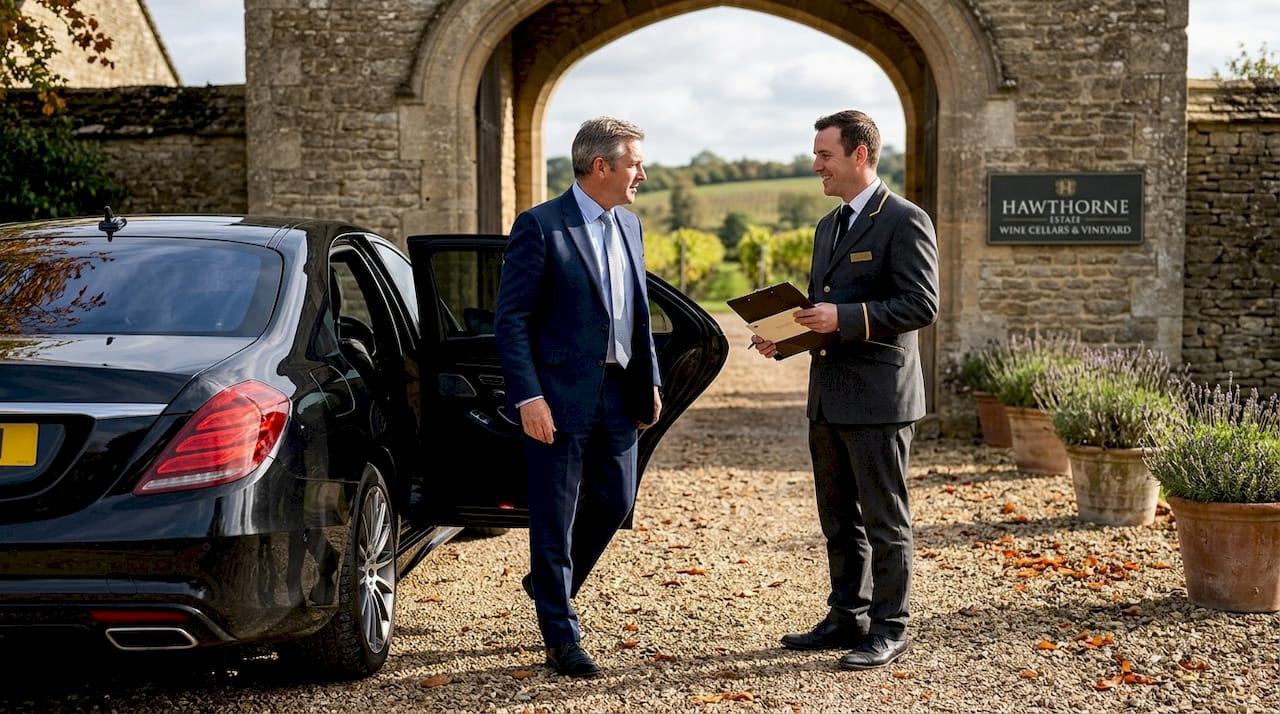
Imagine arriving at a private wine estate in Stellenbosch. A personalised message greets you before you even leave home, your driver knows your name, and you are escorted directly to a pre-assigned welcome area without a queue in sight. That seamless arrival is not accidental. It is the result of deliberate logistics design applied to every touchpoint of the guest journey.
Affluent clients prioritise guest experience and measurable engagement above almost every other event metric. Understanding where friction points typically occur allows your logistics team to eliminate them before they arise.
| Guest journey stage | Common friction point | Logistics solution |
|---|---|---|
| Pre-arrival | Unclear directions or parking | Personalised digital itinerary with GPS links |
| Arrival | Long check-in queues | Pre-registered guest lists with photo ID matching |
| Transitions | Confusion between programme stages | Discreet ushers and smart signage at every turn |
| Dining | Dietary errors or slow service | Coded place cards linked to kitchen briefing sheets |
| Departure | Vehicle delays or crowding | Staggered departure scheduling with real-time driver tracking |
Mapping the guest journey in this way is a core part of guest experience management for high-end functions. Every stage above represents a logistics decision, not a décor decision.
Here is a practical sequence for designing a VIP guest journey:
- Map every touchpoint from the first guest communication to the final farewell
- Assign a logistics owner to each stage, with clear accountability
- Stress-test the timeline by running a dry rehearsal with staff at least 48 hours before the event
- Brief all front-of-house staff on guest names, special requirements, and escalation procedures
- Build in buffer time between programme transitions to absorb minor delays gracefully
- Collect real-time feedback via discreet staff observation during the event itself
Pro Tip: For VVIPs such as board members, heads of state, or high-profile wedding guests, create individual logistics profiles. These include preferred modes of transport, dietary restrictions, accessibility needs, and personal preferences. Sharing these profiles with relevant team members ensures every interaction feels personal rather than procedural. The guest service experience at this level is what transforms a well-run event into a genuinely memorable one.
Excellent logistics in hospitality settings consistently demonstrates that personalisation at the operational level, not just the aesthetic level, is what drives lasting loyalty and word-of-mouth referrals among high-net-worth individuals.
Sustainable and tech-driven logistics: The new luxury standards
In 2026, sustainability is not a concession to corporate responsibility. It is a mark of genuine sophistication. The most discerning clients in South Africa and internationally now view eco-conscious event logistics as a non-negotiable standard, and eco-conscious practices and tech solutions are confirmed top priorities for bespoke events at the premium end of the market.
Sustainable event planning at the luxury level is not about cutting corners. It is about making intelligent choices that enhance the event experience while reducing environmental impact. Practically, this means:
- Waste management protocols: zero-waste catering contracts, compostable serviceware, and on-site sorting stations that are elegantly integrated into the venue design
- Energy efficiency: LED lighting rigs, solar-powered generators for outdoor events, and energy monitoring throughout the event day
- Local sourcing: working with Cape Winelands producers, florists, and artisans to reduce transport emissions while delivering authentically regional experiences
- Carbon offsets: partnering with verified South African conservation projects to offset unavoidable emissions, which can be communicated meaningfully to guests
- Sustainable transport: electric vehicle fleets for guest transfers, shuttle services to reduce individual car journeys, and bicycle valet options at appropriate venues
Technology is equally central to modern luxury logistics. Sustainability in luxury events increasingly intersects with digital innovation, and the two reinforce each other powerfully. Key technologies reshaping event logistics include:
- Logistics management platforms that give your entire team live visibility of the run-of-show, vendor arrivals, and guest counts from a single dashboard
- Branded guest apps that deliver personalised itineraries, venue maps, dietary menus, and real-time programme updates directly to guests’ phones
- Smart signage using digital displays that can be updated instantly if a session runs long or a room changes
- Real-time vehicle tracking for transfer fleets, allowing your logistics team to manage arrivals and departures without radio confusion
- RFID or QR-based check-in that eliminates paper guest lists and reduces arrival queues to seconds
Pro Tip: When briefing potential suppliers, ask directly about their sustainability credentials and technology stack. Suppliers who can demonstrate both green practices and digital capability are the partners who will enhance your event’s reputation. Explore innovation in event logistics to understand how the best operators in the industry are combining these two priorities into a single, coherent approach.
The practical benefit of technology-enabled logistics is not just efficiency. It is confidence. When your team has live data, every decision made on the day is informed rather than reactive.
Mastering the logistics plan: Delivering flawless execution
A luxury logistics plan is a living document, not a static checklist. It begins months before the event and is refined continuously until the final guest departs. Here is how to build one that performs under pressure.
Step-by-step logistics master plan:
- Establish the event brief including guest count, venue, programme structure, and non-negotiable requirements
- Create a master timeline working backwards from the event end time, assigning every task a deadline and responsible team member
- Map all vendor dependencies so that, for example, AV setup is completed before floristry begins and catering access does not conflict with guest arrivals
- Develop contingency protocols for the most likely disruptions: weather, late vendors, technical failures, and guest medical needs
- Produce individual briefing documents for each team and supplier, tailored to their specific responsibilities
- Conduct a full rehearsal with all key staff at least 48 hours prior, walking through the entire run-of-show physically on site
- Debrief and refine after the event, capturing what worked, what did not, and what will change for the next occasion
The logistics approach differs meaningfully by event type. For weddings, the emotional stakes are highest and the timeline is often the most rigid, with ceremony moments that cannot be recovered if delayed. For corporate events, corporate event best practices emphasise brand consistency, executive-level service, and measurable outcomes such as delegate satisfaction scores. For milestone celebrations such as significant birthdays or anniversaries, the guest list is typically more intimate but the personalisation demands are higher.
A luxury logistics checklist for South African venues should include:
- Confirmed venue access times for all suppliers, including bump-in and bump-out windows
- Emergency contact list for every vendor, venue manager, and key guest
- Parking and transport plan with designated zones for each arrival category
- Catering logistics sheet linking every guest’s dietary requirement to their seat assignment
- Weather contingency plan for any outdoor element
- Communication protocol for the event day, specifying which channels are used for which types of update
Pro Tip: The post-event review is where the most valuable logistics intelligence is generated. ROI in event logistics comes from meticulous planning, measurement, and adaptation, and the teams who conduct structured debriefs consistently outperform those who move straight to the next project. Review guest feedback, staff observations, and vendor performance within 72 hours while details remain fresh. Use luxury event coordination best practices to build a continuous improvement cycle that makes each event better than the last.
Refer back to the event management explained guide if you need a broader framework for how logistics sits within the full event management process.
Why perfect logistics, not extravagance, make luxury unforgettable
Here is the uncomfortable truth that most event suppliers will not tell you: guests do not leave an event talking about the chandelier. They leave talking about how it felt. The flow. The timing. The moment when something small but perfect happened, like a waiter appearing with exactly the right drink at exactly the right moment, or a transition between programme elements that felt effortless.
We have seen events with extraordinary budgets fall flat because the operational layer was treated as an afterthought. And we have seen far more modest occasions become genuinely legendary because every detail of the guest journey was mapped, rehearsed, and executed with precision. The eco-luxury event insight we draw from consistently confirms that the most memorable events are those where guests felt looked after, not merely impressed.
Luxury clients increasingly care about streamlined experience and tangible impact over raw opulence. That shift changes everything about how premium events should be designed and delivered. The competitive advantage in the luxury event market is no longer the size of the floral budget. It is the quality of the operational thinking behind every guest interaction. Invest there first, and the spectacle becomes even more powerful because it lands on a foundation that actually works.
Ready to elevate your next luxury event?
If this guide has clarified one thing, it is that extraordinary events are built on extraordinary logistics. At Winelands Function, our team brings the operational precision and creative intelligence required to deliver luxury bespoke events that your guests will remember long after the last toast.
Whether you are planning a landmark wedding in the Cape Winelands, a high-profile corporate launch, or an intimate milestone celebration, our luxury event coordination workflow ensures every detail is accounted for. Explore the event coordination steps we follow to deliver flawless execution, and contact us to begin planning your next exceptional occasion with a team that treats logistics as an art form.
Frequently asked questions
What are the main components of event logistics for luxury events?
Luxury events rely on meticulously planned logistics that span guest transport, scheduling, vendor coordination, run-of-show management, contingency planning, and personalised guest communications, all working together to create a seamless experience.
How do sustainable logistics add value to high-end events?
Eco-conscious practices and technology solutions not only align with modern client expectations but actively enhance brand reputation, guest satisfaction, and the overall perceived quality of the event.
Why is feedback important in event logistics planning?
ROI and satisfaction depend on seamless logistics, and structured post-event feedback allows organisers to measure performance accurately and make targeted improvements for future occasions.
How does technology improve event logistics?
Tech platforms streamline communication, scheduling, and real-time tracking across your entire team, ensuring that every supplier, staff member, and guest interaction runs to plan and that problems are resolved before guests notice them.
Recommended
- Event Management Explained: Crafting Luxury Experiences – Winelands Function – For Every Occasion, Your Celebration
- Best practices for flawless luxury event coordination – Winelands Function – For Every Occasion, Your Celebration
- Event Execution: Ensuring Flawless Luxury Celebrations – Winelands Function – For Every Occasion, Your Celebration
- Event Design Process: Complete Guide for Luxury Events – Winelands Function – For Every Occasion, Your Celebration