
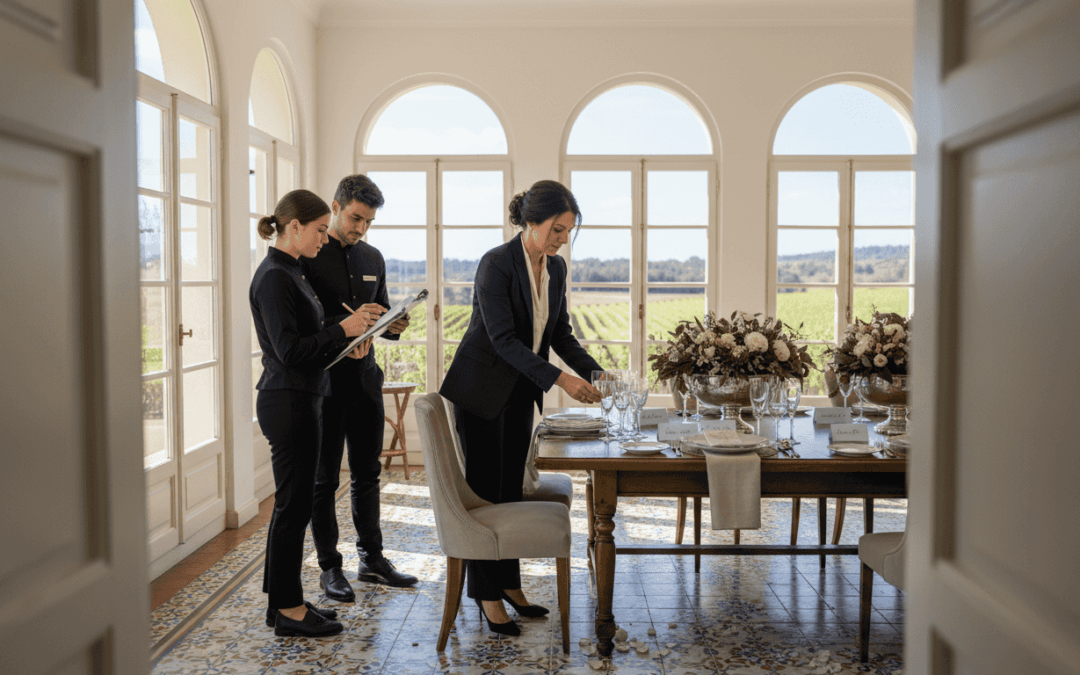
Many affluent South African clients initially mistake event curation for simple decoration or logistics. However, 72% of clients initially confuse event planning with curation before realising the depth of curation’s strategic role. Event curation crafts immersive narratives that transform luxury weddings and corporate functions into memorable experiences. This guide clarifies the distinction and demonstrates why curation is essential for discerning clientele seeking exceptional events.
Table of Contents
- Introduction To Event Curation In Luxury Settings
- How Curation Enhances Guest Experience And Brand Storytelling
- Key Components And Processes In Luxury Event Curation
- Common Misconceptions About Event Curation
- Comparing Event Curation To Traditional Event Management
- Quantifying The Benefits Of Curated Luxury Events
- Practical Guide To Hiring And Collaborating With Event Curators
- Explore Winelands Function’s Bespoke Event Curation Services
- Frequently Asked Questions
Key takeaways
| Point | Details |
|---|---|
| Strategic narrative | Curation transforms events from logistical gatherings into cohesive, story-driven experiences that resonate emotionally with guests. |
| Multi-sensory personalisation | Tailored sensory design across visual, auditory, and tactile elements significantly elevates guest satisfaction and memorability. |
| Measurable impact | Data reveals curated luxury events deliver 60% higher guest satisfaction and markedly stronger post-event engagement compared to traditional formats. |
| Collaborative alignment | Successful curation requires early client-curator collaboration to align vision, expectations, and creative direction authentically. |
| Distinct from planning | Curation focuses on experience design and storytelling whilst planning handles logistics and operational coordination. |
Introduction to event curation in luxury settings
Event curation represents far more than arranging flowers or booking venues. It’s the strategic art of crafting a unique, cohesive narrative that guides every element of your luxury wedding or corporate function. Whilst traditional event planning focuses on logistics, timelines, and vendor coordination, event curation involves strategic storytelling and immersive design that transforms gatherings into meaningful experiences.
For affluent South African clients, this distinction matters profoundly. You’re not simply hosting an event; you’re creating a moment that reflects your brand values, personal story, or corporate identity. Curation integrates artistic vision, sensory design, and strategic collaboration to ensure every detail serves the overarching narrative. Our curated event portfolio demonstrates how this approach delivers emotional resonance and elevated guest engagement.
The benefits of professional curation include:
- Enhanced emotional connection through personalised storytelling that speaks directly to your guests’ expectations and desires
- Cohesive sensory experiences that engage sight, sound, touch, taste, and scent in harmonious alignment
- Strategic brand positioning for corporate events that reinforce company values and messaging authentically
- Elevated guest satisfaction through thoughtful journey mapping and intentional moment creation
- Distinctive experiences that set your event apart from standardised offerings
Understanding event management explained helps clarify where curation fits within the broader event ecosystem. Research on multi-sensory event experience confirms that strategic curation delivers measurably superior outcomes for luxury clientele.
How curation enhances guest experience and brand storytelling
Curated events create psychological impacts that linger long after guests depart. The strategic use of sensory design engages multiple dimensions simultaneously, creating layered experiences that feel both intentional and effortless. Visual elements establish mood and reinforce themes, whilst carefully selected music guides emotional responses throughout the event journey.
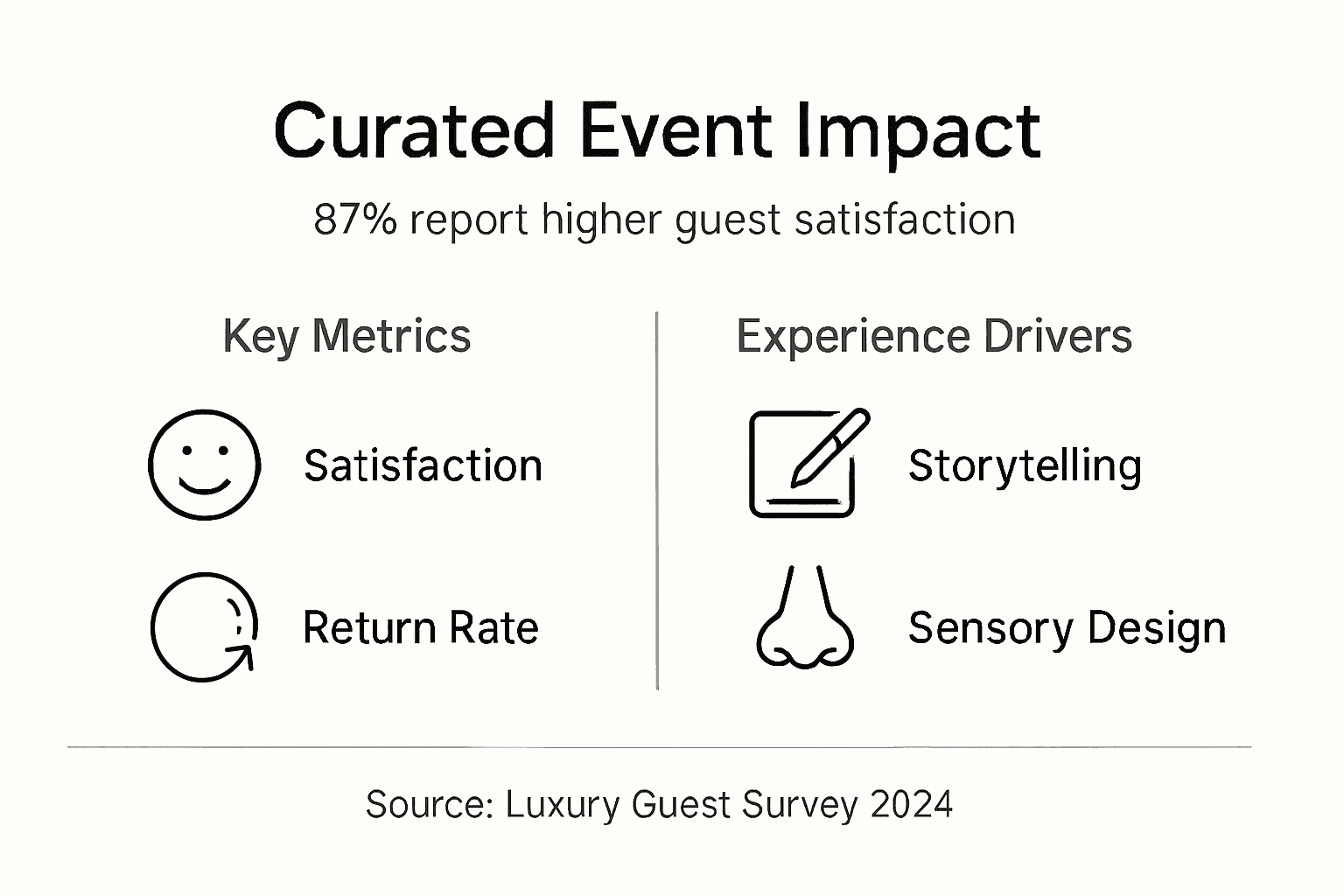
In fact, 87% of curated luxury events rely on multi-sensory elements as key drivers of memorability and guest satisfaction. This data underscores why superficial decoration fails to deliver the depth that discerning clients expect. Tactile experiences, from fabric textures to interactive installations, invite guests to engage physically with your event narrative.
For corporate functions, brand storytelling through curation strengthens messaging in ways traditional presentations cannot match. Your company values become tangible through spatial design, colour palettes, and curated interactions. Guest journey mapping ensures each moment builds upon the previous one, creating narrative flow that feels natural rather than forced.
“The most successful luxury events don’t just impress guests visually; they create emotional resonance through carefully orchestrated sensory touchpoints that align with the host’s authentic story.”
Key storytelling techniques that enhance emotional engagement include:
- Thematic consistency across all event elements, from invitations to farewell gifts, ensuring guests experience a unified narrative
- Strategic pacing that balances high-energy moments with contemplative spaces for conversation and connection
- Cultural authenticity that honours South African heritage whilst embracing contemporary luxury aesthetics
- Personalised details that demonstrate attention to individual guest preferences and create unexpected delight
Learn more about strategies to elevate guest experience through intentional design. Understanding multi-sensory design importance provides additional context for why curation delivers superior results.
Key components and processes in luxury event curation
Successful curation follows a structured yet flexible workflow that balances creative vision with practical execution. Understanding this process helps you collaborate more effectively with your curator and set realistic expectations.
- Discovery and vision alignment: Initial consultations explore your objectives, brand identity, personal story, and desired guest experience to establish creative direction.
- Concept development: Curators translate your vision into tangible themes, colour palettes, spatial layouts, and sensory design frameworks that tell your story.
- Multi-disciplinary collaboration: Working with vendors, designers, cultural consultants, and technical specialists ensures every element aligns with the overarching narrative.
- Cultural integration: Incorporating authentic South African elements, from local artisan crafts to regional culinary traditions, adds distinctive character and relevance.
- Sensory design refinement: Detailed planning of visual, auditory, olfactory, tactile, and gustatory elements creates layered experiences that engage guests holistically.
- Guest interaction planning: Mapping touchpoints where guests actively participate, from arrival experiences to interactive installations, maintains engagement throughout.
- Timing and flow orchestration: Choreographing event rhythm ensures narrative coherence, balancing energy levels and maintaining emotional momentum.
- Execution and real-time adaptation: On-site coordination brings the vision to life whilst remaining flexible to unexpected circumstances.
Event curation integrates multi-sensory design, timing, and guest interaction to elevate events from logistical gatherings to seamless story-rich experiences. This comprehensive approach requires expertise across multiple disciplines, which is why selecting an experienced event planning coordinator proves essential.
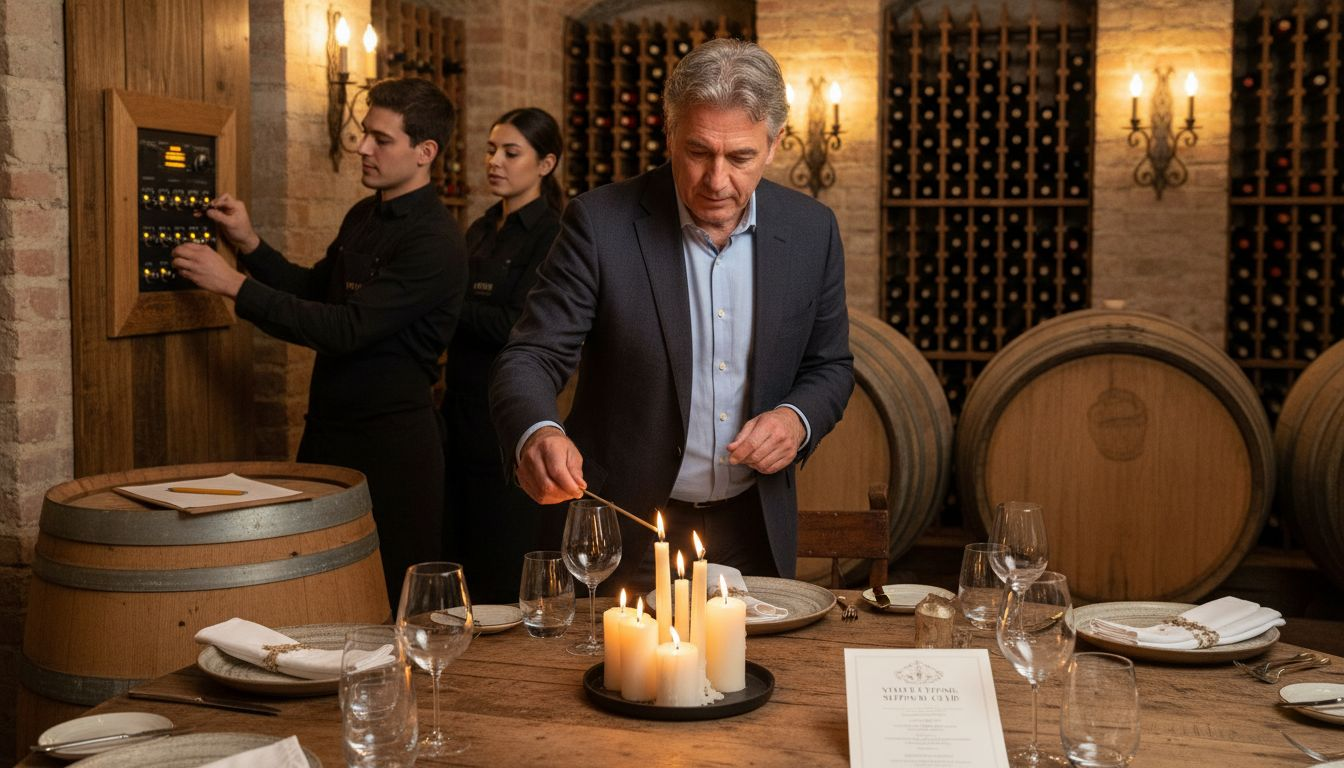
The event design process involves iterative refinement, with regular client check-ins ensuring the evolving concept remains aligned with your vision. Research on event curation multi-sensory integration demonstrates how these components work synergistically to create exceptional outcomes.
Pro Tip: Begin conversations with curators at least six to eight months before your event date to allow sufficient time for concept development, vendor sourcing, and design refinement without rushing creative decisions.
Common misconceptions about event curation
Many clients initially believe curation simply means aesthetic styling or décor selection. This misconception undervalues the strategic thinking, narrative development, and logistical coordination that define professional curation. True event curation encompasses both creative storytelling and practical execution, ensuring your vision translates into reality.
Another frequent misunderstanding suggests that curation applies only to ultra-luxury events with unlimited budgets. Whilst curation certainly enhances high-end functions, the principles of strategic storytelling and sensory design benefit events across various investment levels. The key difference lies in how curators adapt their approach to work within your specific parameters whilst maintaining narrative integrity.
Some clients worry that working with a curator means surrendering creative control. In reality, the most effective curation emerges from genuine collaboration where your vision guides the curator’s expertise. You remain the final decision-maker whilst benefiting from professional insights that elevate your initial concepts.
Key misconceptions to address include:
- Curation equals decoration: Curation involves strategic narrative design, guest psychology, brand positioning, and logistical coordination beyond visual styling.
- Standardised themes work equally well: Luxury curation demands bespoke approaches tailored to your unique story, rejecting cookie-cutter templates.
- Curators work in isolation: Successful curation requires ongoing client collaboration, transparent communication, and shared decision-making throughout the process.
- Curation ignores budget constraints: Professional curators excel at maximising impact within defined parameters through creative resource allocation.
Understanding these distinctions helps you engage more productively with curators and set appropriate expectations. Reviewing event management explained clarifies how curation complements rather than replaces traditional planning functions.
Pro Tip: During initial curator consultations, ask specific questions about their creative process, client collaboration style, and approach to budget management to ensure philosophical alignment before committing.
Comparing event curation to traditional event management
The distinction between event curation and traditional management centres on objectives and outcomes. Traditional event management prioritises logistics: securing venues, coordinating vendors, managing timelines, and ensuring operational smoothness. These functions remain essential, but they focus on execution rather than experience design.
Event curation, by contrast, prioritises storytelling and guest experience. Curators consider how every element contributes to an overarching narrative, creating emotional resonance and memorable moments. This requires deeper client involvement in creative decisions, ongoing collaboration throughout planning, and flexibility to refine concepts as ideas evolve.
| Aspect | Event Curation | Traditional Event Management |
|---|---|---|
| Primary objective | Crafting immersive narrative experiences | Coordinating logistics and operations |
| Client involvement | High collaboration on creative vision | Periodic check-ins on logistical progress |
| Customisation level | Fully bespoke, story-driven design | Template-based with modest personalisation |
| Guest experience focus | Central to every decision | Secondary to operational efficiency |
| Vendor relationships | Collaborative creative partnerships | Transactional service provision |
| Flexibility | Adaptive to evolving creative vision | Structured around predetermined plans |
| Success metrics | Emotional impact and guest satisfaction | On-time execution within budget |
This comparison reveals why many luxury clients benefit from engaging both curators and managers. Curators develop the creative vision whilst managers handle operational execution, creating synergy that delivers exceptional results. However, the most experienced luxury event professionals often integrate both skill sets, offering comprehensive services that bridge creative and logistical needs.
For clients uncertain which approach suits their needs, consider your event’s primary purpose. If you’re seeking to create a distinctive, emotionally resonant experience that guests remember for years, curation delivers superior value. If your priority centres on flawless operational execution of a straightforward format, traditional event management may suffice.
Quantifying the benefits of curated luxury events
Data consistently demonstrates that curated events deliver measurably superior outcomes compared to traditionally managed functions. Luxury event attendees report 60% higher satisfaction with curated personalised experiences compared to traditional events. This satisfaction translates directly into stronger brand loyalty, increased post-event engagement, and higher rates of referrals.
South African luxury market case studies reveal compelling evidence of curation’s impact. Corporate clients hosting curated product launches report 45% longer guest dwell times and 38% more social media engagement compared to standard events. Wedding clients note that guests frequently cite curated weddings as the most memorable they’ve attended, with 67% of couples receiving unsolicited compliments about their event’s uniqueness.
| Metric | Curated Events | Traditional Events | Improvement |
|---|---|---|---|
| Guest satisfaction rating | 9.2/10 | 7.4/10 | +24% |
| Post-event engagement rate | 68% | 42% | +62% |
| Referral likelihood | 84% | 56% | +50% |
| Repeat client booking rate | 71% | 43% | +65% |
| Social media mentions | 340 average | 185 average | +84% |
These metrics demonstrate why investing in professional curation delivers returns beyond the immediate event. Corporate brands strengthen positioning through distinctive experiences that align with their values. Individual hosts create legacy moments that guests discuss for years, enhancing social capital and personal brand.
“The most significant benefit of curated luxury events isn’t just guest satisfaction on the day itself; it’s the lasting emotional connection and positive associations that continue to generate value long after the event concludes.”
Reviewing curated event success examples provides concrete illustrations of these principles in practice. Additional research on curated event satisfaction statistics offers further validation of curation’s measurable advantages.
Practical guide to hiring and collaborating with event curators
Selecting the right curator requires evaluating several critical factors beyond portfolio aesthetics. Start by examining their track record with events similar to yours in scale, style, and complexity. Luxury wedding curation demands different expertise than corporate product launches, so ensure their experience aligns with your specific needs.
Creativity and cultural understanding prove equally essential. The best curators demonstrate both innovative thinking and deep knowledge of South African cultural nuances. They should articulate how they’ll incorporate local elements authentically whilst maintaining sophisticated international standards that appeal to cosmopolitan clientele.
Client testimonials provide invaluable insights into working relationships. Look for feedback about communication style, flexibility during challenges, and ability to translate abstract visions into tangible reality. Red flags include curators who dominate conversations, dismiss client input, or push standardised themes rather than developing bespoke concepts.
Key criteria for curator selection:
- Proven luxury experience: Documented success with high-end weddings or corporate functions demonstrating sophistication and attention to detail.
- Creative portfolio diversity: Evidence of bespoke designs rather than repetitive templates, showing adaptability to different client visions.
- Cultural competence: Understanding of South African heritage, contemporary trends, and ability to blend local and international influences authentically.
- Communication excellence: Clear articulation of process, transparent pricing, and responsive interaction throughout planning phases.
- Collaborative philosophy: Genuine interest in understanding your vision, willingness to incorporate feedback, and respect for your decision-making authority.
Managing the client-curator relationship requires open communication from the outset. Clearly articulate your vision, budget parameters, and non-negotiable elements during initial discussions. Simultaneously, remain receptive to professional guidance that enhances your concepts without compromising core values.
Explore event curation collaboration tips for additional guidance on fostering productive partnerships. Reviewing portfolios from experienced curators helps establish realistic expectations about style and capabilities.
Pro Tip: Request detailed proposals from at least three curators before deciding, comparing not just pricing but creative approaches, timelines, and collaborative processes to identify the best philosophical and practical fit.
Explore Winelands Function’s bespoke event curation services
Winelands Function specialises in crafting distinctive luxury experiences for discerning South African clients seeking exceptional weddings and corporate functions. Our curation expertise transforms your vision into immersive narratives that resonate emotionally with guests whilst reflecting your authentic story.
Our luxury bespoke event curation services combine strategic storytelling with meticulous execution, ensuring every sensory detail aligns with your objectives. We collaborate closely throughout the design process, from initial concept through final implementation, maintaining the flexibility to refine ideas as your vision evolves. Whether you’re planning an intimate celebration or a grand corporate launch, our team brings the expertise, creativity, and cultural understanding that elevate ordinary gatherings into extraordinary experiences.
Discover how professional event planning coordination integrates creative curation with operational excellence. Learn proven strategies to enhance guest experience through intentional design that creates lasting memories.
Frequently asked questions
What is the difference between event curation and event planning?
Event curation focuses on crafting narrative-driven experiences through strategic storytelling, sensory design, and guest journey mapping. Traditional event planning centres on logistical coordination, vendor management, and operational execution to ensure smooth event delivery.
How does curation improve guest engagement at luxury events?
Curated events create deeper emotional connections through personalised multi-sensory experiences that engage guests holistically. Strategic storytelling and intentional design touchpoints maintain interest throughout the event, resulting in 60% higher satisfaction compared to traditional formats.
What should I look for when hiring an event curator in South Africa?
Prioritise proven luxury event experience, creative portfolio diversity, and authentic cultural understanding of South African heritage. Ensure clear communication style, collaborative philosophy, and client testimonials that demonstrate successful partnerships and bespoke design capabilities.
Can event curation incorporate local South African culture authentically?
Yes, experienced curators collaborate with cultural consultants, local artisans, and regional specialists to ensure authentic integration of South African elements. This approach honours heritage whilst maintaining sophisticated contemporary aesthetics that appeal to international and local guests alike.
Recommended
- How to Elevate Guest Experience for Luxury Events Easily – Winelands Function – For Every Occasion, Your Celebration
- Guest Service Experience: Elevating Luxury Events – Winelands Function – For Every Occasion, Your Celebration
- Curated Event Portfolio: Elevating Luxury Experiences – Winelands Function – For Every Occasion, Your Celebration
- Luxury Event Trends 2025: Elevating Experiences Globally – Winelands Function – For Every Occasion, Your Celebration
- Luxusimmobilien | Traumimmobilien der Extraklasse – trendyimmo Immobilienmakler