
TL;DR:
- Elegant events emphasize intentional, cohesive choices over excess decoration to create sophistication. The key pillars are venue, catering, service flow, and sensory experiences, which shape memorable guest impressions. Proper budget allocation and restraint ensure consistency, sustainability, and genuine luxury in event planning.
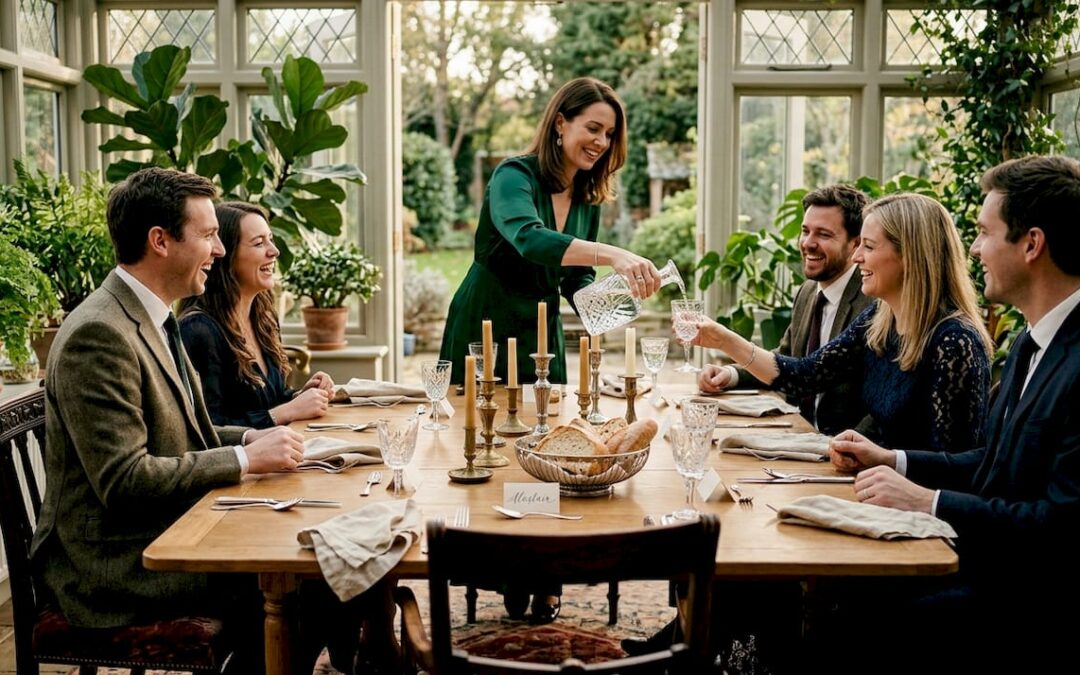
Elegance is one of the most misunderstood words in event planning. Most people assume it means spending more, adding more, and decorating every surface until the room shimmers. The truth is that the elements of elegant events have almost nothing to do with excess. They are about intentionality. Every choice, from the chair you select to the scent in the room, either reinforces a unified guest experience or quietly undermines it. With luxury event trends in 2026 shifting towards sustainability, sensory design, and personalisation, understanding what actually creates sophistication has never been more relevant.
Table of Contents
- Key takeaways
- Elements of elegant events: venue, catering, and service
- Design and aesthetic choices that define sophistication
- Sensory and guest experience design
- Planning and budget strategies for elegant execution
- My honest view on what elegant events actually require
- How Winelandsfunction brings elegance to life
- FAQ
Key takeaways
| Point | Details |
|---|---|
| Elegance is intentional design | True sophistication comes from deliberate, cohesive choices rather than expensive decoration layered without purpose. |
| Venue and catering lead the budget | Allocate roughly 50% of your budget to venue, catering, and service, as guests feel these elements most directly. |
| Design is not decoration | Lighting, florals, and textiles must work together strategically to build atmosphere, not simply fill visual space. |
| Sensory experience defines memory | Multi-sensory touches such as signature scents and tactile details create the lasting impressions guests carry home. |
| Cohesion across all elements matters | Consistency in colour, texture, tone, and timing is what separates genuinely elegant events from visually busy ones. |
Elements of elegant events: venue, catering, and service
These three pillars account for the majority of what your guests will actually remember. You can have the most extraordinary floral installation in the room, but if the canapés are lukewarm and the service is disorganised, the memory your guests take home is one of disappointment.
Venue selection is where elegance begins. The space you choose communicates your intentions before a single guest arrives. Luxury venues bring architectural character, proportionate scale, and an existing atmosphere that only requires enhancement rather than construction from scratch. A venue with poor acoustics, awkward flow, or mismatched proportions will fight against your design at every step.
Catering is where elegance becomes tangible. The quality of the food and drink, the presentation of each course, and the attentiveness of the service team shape how guests feel for hours. Locally sourced menus with seasonal produce have become a marker of high-end hospitality, not just a trend. They signal care, provenance, and intention, which is precisely the message an elegant event needs to convey.
Service flow is the element planners most often underestimate. A guest experience structured in phases, from arrival and seating through to dining and entertainment, with smooth transitions at each stage, is the difference between a polished occasion and one that simply looks polished from the photographs.
Key service flow considerations include:
- Arrival and welcome: A warm, unhurried arrival sets tone immediately. Avoid bottlenecks at entry by staggering guest flow and having dedicated hosts at key points.
- Seating transitions: Moving guests from cocktail hour to the main venue should feel orchestrated, not herded. Clear signage, ambient music shifts, and attentive staff make this seamless.
- Dining pacing: Courses timed too close together create stress; spaced too far apart and energy drops. The rhythm of a meal is its own form of choreography.
- Exit experience: Often neglected, but a graceful close, whether that is a parting gift, a final toast, or simply a warm farewell from the host, completes the guest’s experience elegantly.
Pro Tip: Brief every member of your service team on the full event timeline, not just their individual role. A waiter who understands when the speeches begin can anticipate refills and avoid interrupting a key moment.
Design and aesthetic choices that define sophistication
Design is not decoration. That distinction is worth repeating because it is the single greatest source of confusion in luxury event planning. Intentional design means strategic layering of colour, texture, lighting, and spatial layout to create a cohesive atmosphere. Decoration, by contrast, is the addition of beautiful objects without a unifying logic.
The table below illustrates how each design element contributes to the overall elegance of an event and where common mistakes occur:
| Design element | What it contributes | Common mistake |
|---|---|---|
| Lighting | Mood, spatial definition, warmth | Flat overhead lighting that removes intimacy |
| Florals | Natural texture, colour anchor, focal point | Oversized arrangements that obstruct sightlines |
| Linens and textiles | Tactile sophistication, cohesive palette | Mismatched fabrics or poor quality draping |
| Furniture layout | Flow, comfort, interactive energy | Uniform rows that discourage conversation |
Lighting deserves particular attention because it affects everything else. The right combination of candlelight, warm uplighting, and focused table illumination transforms even a modest space. Conversely, harsh fluorescent lighting will undermine the most expensive floral installation you can commission.
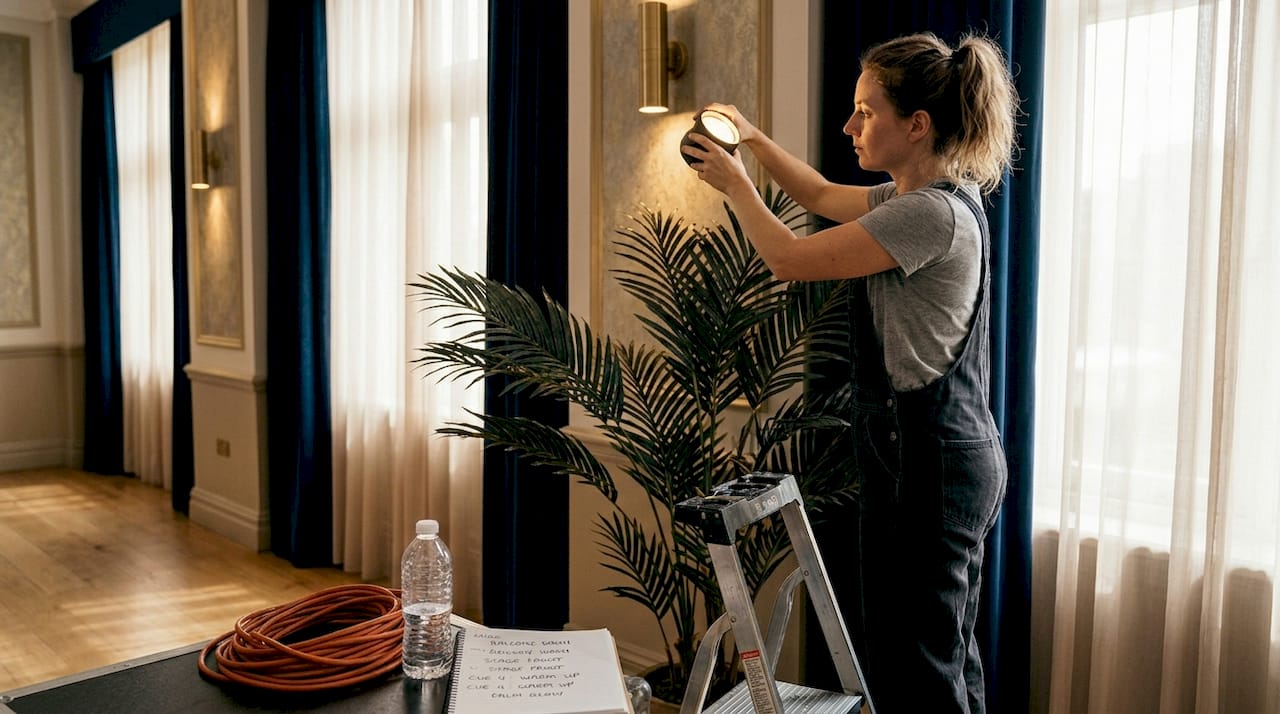
Luxury linens in high-quality fabrics are a detail most guests cannot name but everyone notices. Custom-dyed napkins, weighted tablecloths, and textured overlays signal investment and care in a way that photographs beautifully and feels wonderful in person.
For furniture, variety is more elegant than uniformity. A mix of cocktail tables, lounge seating, and banquet chairs encourages guests to move, interact, and find comfort, creating a dynamic, living atmosphere rather than a static one. Static events, regardless of budget, rarely feel truly elegant.
Pro Tip: Choose a maximum of three hero design moments and let everything else support them quietly. Trying to make every corner equally spectacular results in visual noise, not sophistication.
Sensory and guest experience design
The most forward-thinking element in luxury event design right now is the shift from visual-first thinking to full sensory experience. Modern luxury events are being designed as immersive journeys where signature scents, tactile details, curated soundscapes, and considered flavour profiles work together to deepen the guest’s emotional connection to the occasion.
What this looks like in practice is more considered than theatrical. A custom room fragrance subtly woven through the venue is more sophisticated than an obvious scented candle display. A playlist that evolves through the evening, from understated background music during dinner to something more celebratory for dancing, guides the emotional arc of the event without anyone consciously noticing.
Understanding guest experience design also means thinking about personalisation. Data-driven guest profiling, where dietary preferences, seating affinities, and even preferred temperature settings are gathered in advance, allows for bespoke experiences at individual level that genuinely surprise and delight.
Additional sensory and experiential elements worth considering:
- Wellness zones: Quiet, beautifully designed spaces where guests can decompress away from the main event signal a host who has thought beyond spectacle. Wellness integration in luxury celebrations is growing rapidly.
- Nutrition-conscious catering: Menus that accommodate diverse dietary needs without making those guests feel like an afterthought show a level of thoughtfulness that guests deeply appreciate.
- Interactive tactile details: Handwritten place cards, textured menu cards, and embossed stationery give guests something beautiful to touch and keep, extending the experience beyond the evening itself.
- Sustainability as elegance: Zero-waste event design is rapidly becoming a benchmark of genuine luxury, not an alternative to it. Composted florals, repurposed centrepieces, and locally sourced menus communicate a sophistication that conspicuous consumption simply cannot match.
Planning and budget strategies for elegant execution
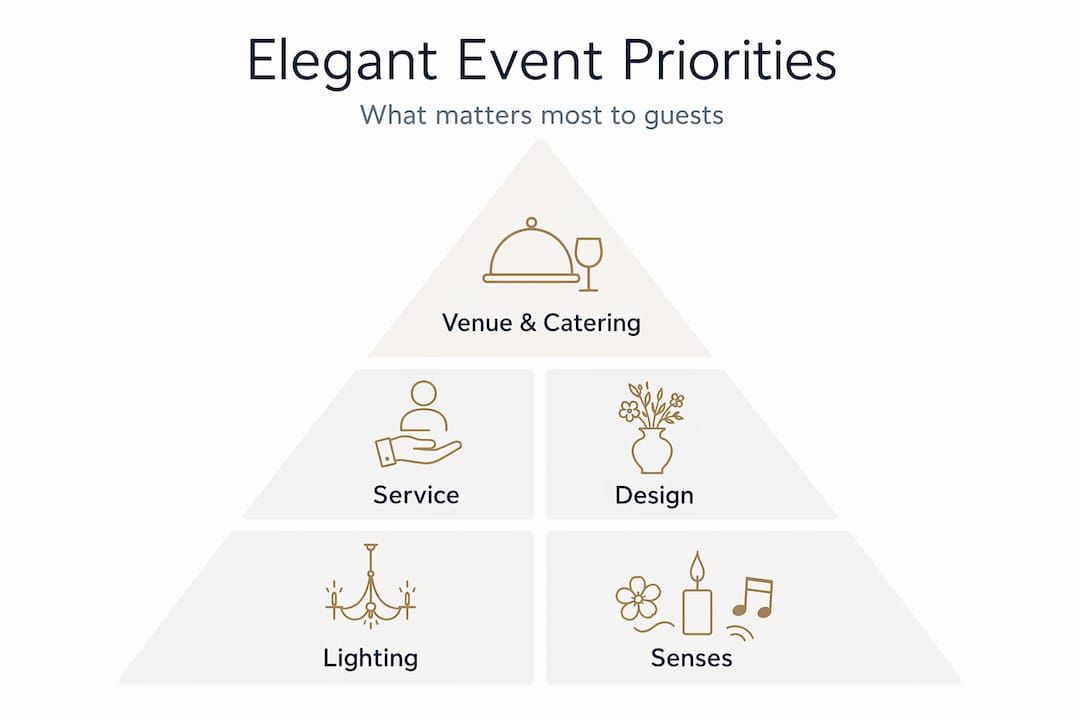
Understanding how to allocate a budget is one of the most practical skills in creating elegant events. A well-considered luxury event budget typically follows a distribution that reflects where guests feel the most impact:
| Budget category | Approximate allocation | What it covers |
|---|---|---|
| Venue, catering, and bar | 50% | Space hire, food service, beverage packages |
| Design, florals, rentals, and lighting | 30% | Visual identity, textiles, furniture, technical elements |
| Photography, entertainment, and extras | 20% | Documentation, music, stationery, personalised details |
The 50% allocation to venue and catering reflects a simple truth. Guests experience those elements directly and for extended periods. A beautiful centrepiece is admired for seconds; a well-executed three-course meal is experienced for ninety minutes.
The most common budget mistake in key features of classy events is inverting this logic. Clients sometimes spend heavily on decoration and then cut corners on food quality, bar service, or staffing. Overspending on visual decoration at the expense of food and service quality is the single fastest way to undermine an otherwise sophisticated occasion.
Cohesive team collaboration is equally critical. An event planner, an event designer, and a photographer working independently will produce beautiful individual results that feel disjointed together. The best-coordinated luxury events are those where these professionals are briefed together, share a unified visual reference, and communicate throughout the planning process.
Pro Tip: Lock in your venue and catering first. Every other design decision, from linen colours to lighting temperatures, should respond to and enhance those anchors. Starting with florals and working backwards leads to costly adjustments.
My honest view on what elegant events actually require
I have seen events with budgets ten times what a typical couple or corporate client would spend, and I have walked away from them feeling underwhelmed. I have also attended small celebrations with modest means that felt genuinely extraordinary. The difference is never the money. It is always the thinking.
What I have learned from planning and observing high-end events over many years is that true luxury is consistency. When every element of an event speaks the same visual and tonal language, guests feel held. They relax. They stop noticing individual details and start experiencing the whole. That is elegance.
The pitfall I see most often, even from experienced planners, is the impulse to keep adding. More flowers. More lighting. One more personalised detail. Elegance in event design is actually an exercise in restraint. The choices you do not make are as important as the ones you do.
I am also watching the sustainability shift with genuine excitement. Sustainability embedded in elegance is not a compromise. It is a signal that the host has thought carefully about every element, which is exactly what elegance requires. Guests notice when flowers are locally grown. They remember when a menu celebrates regional produce. These details tell a story of care that no imported decoration can replicate.
My advice is this: before you finalise any design choice, ask yourself whether it serves your guest or your vision. The best events serve the guest first, every time.
— Coert
How Winelandsfunction brings elegance to life
At Winelandsfunction, we work with clients in Cape Town and internationally to design and execute events where every element is considered, cohesive, and genuinely extraordinary. Whether you are planning a milestone celebration, a corporate launch, or a wedding in the Western Cape winelands, the principles above are the foundation of everything we do.
Our team coordinates venue selection, catering partnerships, design briefing, and full-day execution so that you experience the event as a guest, not as a project manager. If you are ready to bring true sophistication to your next occasion, explore our bespoke luxury celebrations or review our elegant event planning service to understand what a fully managed, design-led process looks like from first brief to final farewell.
FAQ
What are the core elements of elegant events?
The core elements of elegant events are venue, catering, service flow, lighting, florals, textiles, and a cohesive sensory experience. True elegance comes from the intentional integration of these elements, not from individual extravagance.
How should a luxury event budget be allocated?
A well-structured luxury event budget allocates approximately 50% to venue, catering, and bar; 30% to design, florals, rentals, and lighting; and 20% to photography, entertainment, and personalised details.
What is the difference between event design and event decoration?
Event design is the strategic layering of colour, texture, lighting, and spatial layout to create a unified atmosphere. Decoration refers to adding beautiful objects without a cohesive plan, which rarely produces elegance.
How do sensory elements contribute to elegant events?
Sensory elements such as signature scents, curated soundscapes, and tactile details deepen guest engagement and create lasting emotional memories, making them a defining feature of contemporary luxury event design.
What is the biggest budgeting mistake in luxury event planning?
The most common mistake is overspending on visual decoration while reducing investment in food quality, bar service, and staffing. These directly experienced elements have a far greater impact on perceived elegance than any decorative choice.
Recommended
- Event Planning Step by Step for Elegant Celebrations – Winelands Function – For Every Occasion, Your Celebration
- Master the Event Styling Process for Elegant Celebrations – Winelands Function – For Every Occasion, Your Celebration
- Corporate Event Preparation Guide for Elegance and Impact – Winelands Function – For Every Occasion, Your Celebration
- Event Management Explained: Crafting Luxury Experiences – Winelands Function – For Every Occasion, Your Celebration