
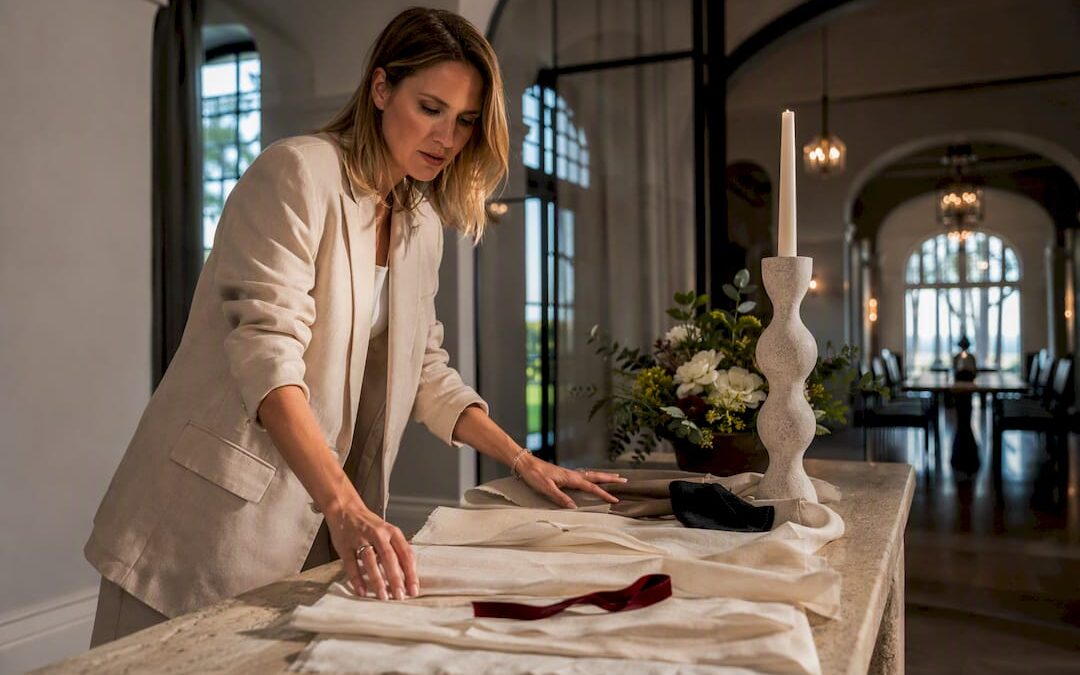
An event stylist is the creative professional who designs and dresses the physical space of an event, from tablescapes to backdrops, so every surface tells one cohesive visual story. Their primary outcome is a photography-ready atmosphere that feels intentional from the entrance to the last centrepiece. Weddings, luxury brand launches, and immersive dinners benefit most, where a consistent aesthetic across a large or complex venue matters enormously.
TL;DR:
- Event stylists develop cohesive visual concepts using moodboards and color palettes before hiring or installing decor, ensuring a tailored atmosphere.
- They coordinate sourcing and installation of decor, lighting, and props, often working with florists and suppliers, and handle on-the-day setup and pack-down.
- Hiring a stylist is recommended for large-scale, high-end, or complex events, especially when multiple venues, brand consistency, or professional photography are priorities.
- Booking should occur six to nine months in advance for weddings and three to six months for corporate events, with costs covering design, hire, and labor fees.
- Review portfolios for full-event photography, venue familiarity, and detailed mockups, and verify clear scope, supplier relationships, and availability before committing.
Table of Contents
- What does an event stylist actually do?
- Event stylist vs planner vs coordinator vs florist
- When should you hire an event stylist?
- The process, timeline and cost of hiring a stylist
- How to vet a stylist before you book
- A first-person view from Winelands Function
- Bring your vision to life with Winelands Function
- Sources
What does an event stylist actually do?
Event styling is the creative process of arranging decorations, furnishings, lighting and colour to build an atmosphere that suits the occasion, according to Perfect Venue. That sounds simple until you see the range of decisions a stylist actually makes on a single project.
The role typically covers:
- Concept development: moodboards, colour palettes and material choices that set the tone before a single chair is hired.
- Physical elements: tablescapes, signage, backdrops, props, lighting direction and soft furnishings, all chosen to work together rather than in isolation.
- Inventory and hire: sourcing and supplying decor stock, while coordinating with florists, furniture hire companies and lighting technicians who bring their own equipment.
- On-the-day execution: installation, vendor coordination during setup, and pack-down once the last guest has left.
- Virtual styling: many stylists now offer digital mockups for pre-visualisation, a budget-friendly way to test a concept before committing to spend, as Prix Fixe Party notes.
You are, in effect, hiring someone to translate a feeling (“romantic”, “modern industrial”, “old-world Cape Winelands”) into physical, bookable objects.
Event stylist vs planner vs coordinator vs florist
Confusing these roles is common, and it usually leads to gaps in the plan. An event stylist focuses on designing and dressing the space itself, while an event planner manages logistics, budgets, guest lists and supplier contracts, according to Maxine Brady. One shapes how the room looks; the other makes sure it happens on time and on budget.
Here is how the four roles typically divide:
- Event planner: overall project management, budget, timeline, vendor contracts, guest logistics.
- Event stylist: visual concept, decor, tablescapes, props, backdrops and lighting mood.
- Coordinator or on-the-day manager: runs the schedule during the event itself, manages vendor arrivals and departures, and keeps the timeline on track.
- Florist: specialist in floral arrangements only, usually briefed and directed by the stylist to fit the wider palette.
Many luxury weddings and corporate launches use several of these roles at once, with the stylist directing the florist’s brief and working alongside the planner’s timeline. Smaller events sometimes combine stylist and planner in one person, which is fine as long as both skill sets are genuinely covered.
When should you hire an event stylist?
A stylist becomes worth the investment once an event crosses certain thresholds of scale or ambition. TheWed recommends hiring one specifically for complex, large-scale or high-end events that need a cohesive visual narrative across a large space.
Consider a stylist when:
- Guest numbers climb past a few dozen and multiple spaces (ceremony, reception, lounge areas) all need to relate visually.
- Brand identity matters, as with a corporate launch where every display surface should feel on-brand rather than generic, a point Maxine Brady makes when discussing brand activations.
- Photography is a priority, since a styled environment consistently improves guest experience and photographic results, per Perfect Venue.
- The venue is a blank canvas, a warehouse, marquee, or bare hall, where nothing looks finished without deliberate design work.
Luxury weddings, hospitality activations and immersive dinner experiences are the clearest examples. In each case, the stylist solves problems creatively, swapping an over-budget bespoke piece for a clever alternative, reworking a backdrop when a venue’s ceiling height changes, or adjusting a palette when a client sees swatches in person and reacts differently than expected.
The process, timeline and cost of hiring a stylist
Professional styling involves far more than arranging props. It demands planning, supplier coordination, safety compliance and physical installation under tight schedules, according to the Venue Styling Academy.
A typical engagement runs through these stages:
- Consultation: discussing vision, budget and venue constraints.
- Concept development: moodboards and palette proposals.
- Mockups: digital or physical previews so you approve the look before spending on hire stock.
- Sourcing and hire: booking furniture, florals, lighting and props from trusted suppliers.
- Installation: on-site setup, usually within a tight load-in window.
- Pack-down: removal and return of hired items after the event closes.
Pro Tip: Always confirm your venue’s load-in window and weight limits before finalising large installations. Discovering a restriction on the day forces expensive last-minute reworks that no stylist can fully absorb.
For weddings, book your stylist at least six to nine months ahead; corporate launches often need three to six months, depending on custom fabrication. Costs typically break into three separate lines: a design fee for the creative work itself, hire stock for furniture and decor, and labour for installation and pack-down, a distinction worth asking about directly when budgeting. Bespoke fabrication, extensive floral work, and lighting technology are the most common add-ons that push a quote above the base package. For a step-by-step breakdown of how this unfolds in practice, Winelandsfunction’s styling process guide walks through each stage in more detail.
How to vet a stylist before you book
A strong portfolio shows whole-event photography and installation detail, not just isolated prop shots, according to the Venue Styling Academy. That distinction alone filters out a lot of hopeful amateurs.
When reviewing candidates, look for:
- Whole-event galleries that show a finished room, not just a styled corner shot for social media.
- Venue familiarity, ideally with your specific venue or one of a similar size and layout.
- Sample site plans or mockups offered before you sign, showing they think in logistics as well as aesthetics.
- Supplier relationships, since bundled design and vendor access often brings better pricing on hire stock, as Maxine Brady points out.
Ask directly about availability on your date, insurance cover, transport logistics for large props, and cancellation or pack-down terms. Red flags include a stylist with no client references, a vague scope of work, or no clear inventory plan for what they supply versus what you need to hire separately. If a stylist cannot produce even a rough site plan for your venue, treat that as a sign to keep looking.
A first-person view from Winelands Function
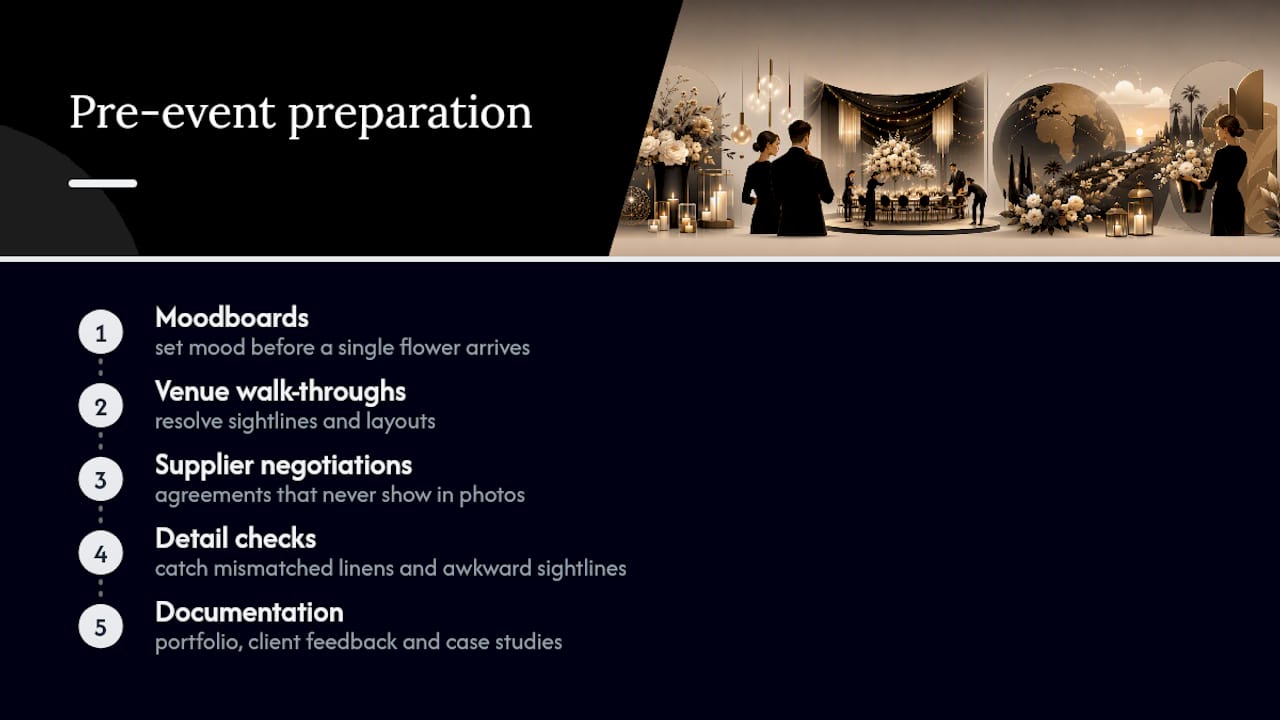
Styling a luxury wedding or a corporate launch is never just about beautiful objects; it is about making a space feel inevitable, as though it could only ever have looked this way. Coert has spent years directing exactly that outcome across Cape Town weddings and brand activations, where a single overlooked detail, a mismatched linen, an awkward sightline, can quietly undercut an otherwise flawless event.
What consistently surprises clients is how much of the work happens before a single flower arrives: the moodboards, the venue walk-throughs, the supplier negotiations that never make it into the final photographs but shape everything visible in them. A portfolio and client feedback reflect that behind-the-scenes discipline, and further proprietary case studies and credentials will continue to expand this record over time.
— Coert
Bring your vision to life with Winelands Function
Styling is treated as one thread in a fully managed luxury event, meaning you never have to coordinate a stylist, planner and coordinator separately or worry about who owns which decision. That single point of accountability is the real advantage over piecing together freelancers on your own: one team carries your concept from moodboard to pack-down without you having to translate between them.
Whether you are styling an intimate ceremony or a full brand activation, the process starts with a conversation about your venue, your guest count and the story you want the space to tell. Explore how event management at Winelands Function brings styling, logistics and supplier coordination under one roof, or get in touch to request a mockup for your own venue and start shaping your event’s look with confidence.
Sources
- Best wedding & event stylists around the world — TheWed
- Why you need an event stylist — Maxine Brady
- What Is Event Styling (+ FAQs) — Perfect Venue
- What is a venue stylist? — Venue Styling Academy