
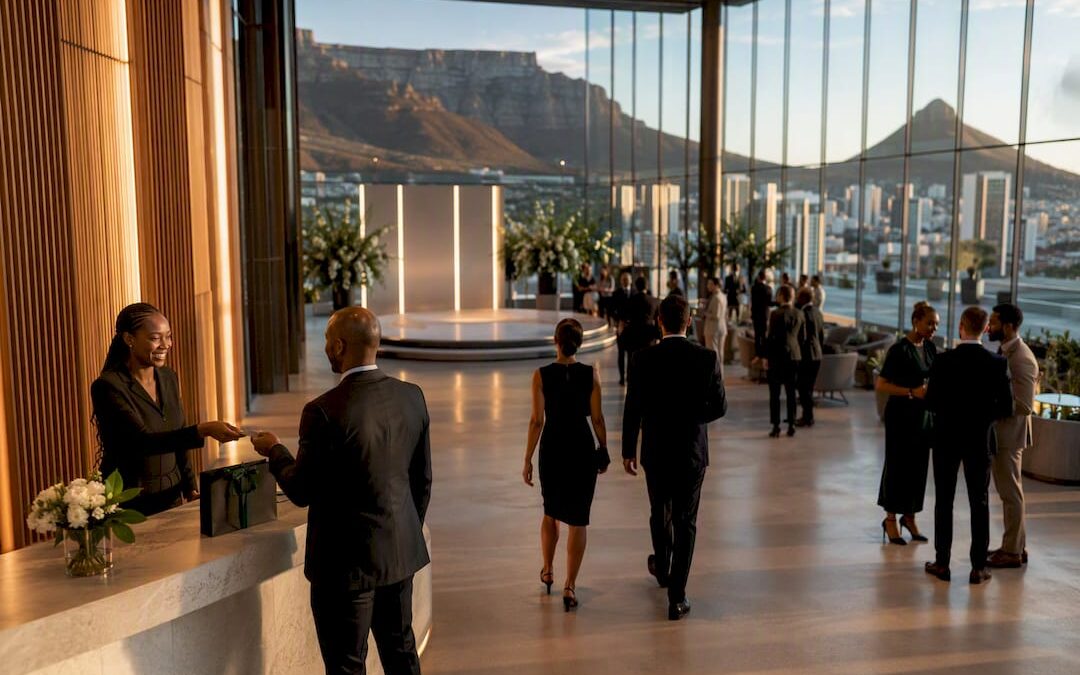
Event marketing is a business channel that builds trust, generates pipeline and accelerates deals by creating direct brand experiences. In-person gatherings remain the dominant format because brands are using them to bypass algorithmic gatekeepers and speak to people directly. What follows covers the objectives events serve, the formats worth your budget, and the measurement discipline that turns a good evening into a repeatable growth engine.
TL;DR:
- In-person events continue to dominate because they effectively bypass algorithmic filters and facilitate direct audience engagement.
- Campaigns should prioritize a single objective, such as awareness or lead generation, with format choices aligning specifically to that goal.
- Measurement of event ROI depends heavily on CRM integration, attendance tracking, and clear definitions of qualified leads for accurate attribution.
- Technology tools like engagement apps and analytics dashboards enhance personalization and data collection, but require proper consent and governance.
- Luxury event design emphasizes intentional guest journeys and data capture, with follow-up plans in place before the event for measurable business outcomes.
Table of Contents
- What is event marketing, and how does it differ from event management?
- What roles and objectives does event marketing serve?
- What are the core benefits of event marketing for a business?
- Which event type suits which marketing objective?
- How do you build a practical event marketing plan?
- How do you measure event marketing’s ROI?
- What technology and data matter most in event marketing?
- How does this play out in luxury event practice?
- Why events matter more in 2026’s marketing mix
- How Winelands Function turns events into measurable outcomes
- Sources
- FAQ
What is event marketing, and how does it differ from event management?
Event marketing is the strategic use of live, virtual or hybrid gatherings to promote a brand, product or service and move an audience toward a business outcome. It sits above event management, which is the operational discipline of logistics, timelines, suppliers and on-the-day execution. Event management delivers the room, the catering and the run sheet. Event marketing decides why the room exists, who should be in it, and what happens to those people afterwards.
Experiential marketing is a close cousin but narrower: it focuses on immersive, sensory brand activations rather than the full campaign around an event, from promotion through follow-up. Our own guide to experiential marketing in events unpacks that distinction further.
Formats that count as event marketing span in-person conferences and trade shows, virtual webinars, hybrid launches, experiential pop-ups, and sponsorships of third-party events. Each format serves a different marketing objective, which is exactly what the next section maps out.
What roles and objectives does event marketing serve?
Every event should be built around one dominant objective, even when it delivers several benefits at once. Trying to chase awareness, leads and retention with a single format usually dilutes all three.
The main jobs events do for a marketing function are:
- Brand awareness: introducing a name, product or category to a new audience through visibility and association.
- Lead generation: capturing intent from attendees who show up because the topic or product matters to them.
- Relationship building: deepening trust with existing clients, partners or press through face-to-face access.
- Product launches: creating a fixed moment of attention around a release, with media and customers in the room at once.
- Retention and community: giving existing customers a reason to stay engaged between purchase cycles.
Events also compress the sales cycle in a way digital channels rarely manage, underscoring the role of customer reviews in hospitality as a trust-building element in live experiences. A prospect who spends two hours in conversation with your team at a launch arrives further along the decision journey than one who has only read a brochure. Design for revenue when your audience is already qualified, such as an existing client base or a targeted account list. Design for brand or community outcomes when the goal is reach, reputation or long-term loyalty rather than a signed contract within the quarter.
What are the core benefits of event marketing for a business?
The evidence for event marketing’s business value is stronger than many marketing leaders assume. Events are among the most trusted ways audiences discover new products, because face-to-face interaction removes the scepticism that greets an advert or a cold email.
The pipeline reality: a large share of marketers now tie live and hybrid events directly to pipeline and faster deal closure, treating events as a revenue channel rather than a brand exercise alone.
Beyond trust and pipeline, the benefits stack up:
- Discovery and authority: events position a brand as a credible voice in its category, not just a vendor.
- Content generation: a single conference or launch produces months of usable video, quotes and imagery.
- Richer customer data: registration and engagement data reveal intent signals that web forms rarely capture.
- Competitor insight: attendee conversations and sponsor lists at industry events are a genuine research source.
These points echo the documented benefits of event marketing around awareness, lead quality and brand authority. The intangible side matters just as much. A well-designed event creates an emotional memory that a banner advert cannot, and that memory is what drives referrals, renewals and word-of-mouth long after the room has emptied.
Which event type suits which marketing objective?
Format choice should follow objective, not fashion. A conference and a webinar might share a topic, but they serve different stages of the funnel and carry very different cost profiles.
- Conferences: broad awareness and authority building; large scale, long lead time, higher cost.
- Trade shows: lead generation and competitor visibility; medium to large scale, shared exposure with other exhibitors.
- Webinars: cost-efficient lead generation and nurture; low cost, fast turnaround, strong for mid-funnel education.
- Product launches: media attention and momentum; tightly scoped, timed to a single announcement window.
- Pop-ups and experiential activations: brand discovery and emotional connection, particularly strong for consumer and luxury brands.
- Executive dinners and roadshows: relationship building with a small, high-value account list.
- Hybrid events: reach plus depth, combining a smaller in-person core with a wider virtual audience.
As a general rule, B2B objectives favour smaller, curated formats such as executive dinners and roadshows, while B2C brands lean on experiential activations for reach and recall. Choose awareness formats when the audience doesn’t know you yet; choose retention formats, such as client appreciation events, when they already do.
How do you build a practical event marketing plan?
A strong event marketing plan follows a logical sequence rather than jumping straight to décor and catering.
- Set SMART objectives. Decide whether you’re chasing awareness, leads, or retention, and attach a number to it.
- Define the audience. Use existing CRM segments or firmographic data to know exactly who should receive an invitation.
- Align metrics to the objective. A launch measures media reach; a client dinner measures renewal rate, not ticket sales.
- Build the promotion timeline. Larger conferences and trade shows typically need six to twelve months of promotion, while webinars can launch on a four to six week cycle.
- Set budget priorities. Protect spend on guest experience and speaker quality first; treat signage and swag as the areas to trim if funds tighten.
- Confirm vendor and stakeholder roles. Sales, marketing and external suppliers each need a single accountable owner for their piece of the day.
Our corporate event strategy guide walks through this sequencing in more depth, and the event cost optimisation guide is useful when budget lines need defending to a finance director.
Pro Tip: When selecting vendors, ask each one how they report engagement data back to you. A supplier who can’t describe their data handover process will cost you weeks of manual reconciliation after the event.
How do you measure event marketing’s ROI?
Measurement is where most event marketing efforts fall apart, not because the data doesn’t exist, but because nobody connects it to revenue. The core KPIs worth tracking are registration numbers, attendance rate against registrations, an engagement score built from session activity, leads captured, pipeline influenced, deal velocity, and revenue eventually attributed to the event.
Integration is the differentiator. Teams that connect their event platform to CRM and marketing automation can prove ROI; teams that keep event data in a spreadsheet generally cannot.
A measurement-readiness checklist should cover:
- A registration system that pushes contact records straight into the CRM.
- Session-level engagement tracking (attendance, polls, downloads).
- A shared definition of “qualified lead” agreed between sales and marketing before the event, not after.
- A follow-up cadence with a deadline, so leads don’t sit untouched for weeks.
Centralised event technology also makes it possible to repeat what worked at the next event rather than starting the measurement conversation from scratch every time.
What technology and data matter most in event marketing?
Four categories of tool do the real work: event platforms for registration and agenda management, engagement apps for live interaction, analytics dashboards, and CRM connectors that push everything into a single customer record.

Personalisation is where this technology pays off. Agenda recommendations based on a registrant’s job title, matchmaking between attendees with shared interests, and targeted follow-up based on which sessions someone actually attended all convert far better than a generic post-event email. Session clicks, poll responses and time-in-session data feed into engagement scores that tell sales exactly who to call first.
None of this works without consent. Build data governance into registration forms from the start, not as a retrofit once legal asks questions.
How does this play out in luxury event practice?
Consider two anonymised briefs from luxury event work. In the first, a private client wanted a milestone celebration to double as a quiet showcase for a family business; sensory design, from scent to lighting sequencing, was built around key guest introductions, and the follow-up conversations generated three new commercial relationships within a month. In the second, a corporate launch used a curated guest journey rather than a stage presentation, and post-event surveys showed markedly higher recall than the client’s previous conference-style launches.

Three takeaways: design the guest journey deliberately, capture engagement data even at intimate events, and always plan the follow-up before the event begins.
Why events matter more in 2026’s marketing mix
Declining organic and algorithmic reach is pushing brands back toward channels they own outright, and a live room is the most direct one available. Winelands Function exists precisely to help clients turn that room into a measurable outcome rather than a beautiful memory alone.
— Coert
How Winelands Function turns events into measurable outcomes
One alternative to piecing together your own supplier list for events in Cape Town is to hire a single accountable team that manages sensory design, the guest journey, and follow-up sequencing to turn attendees into relationships, relieving you from coordinating many vendors.
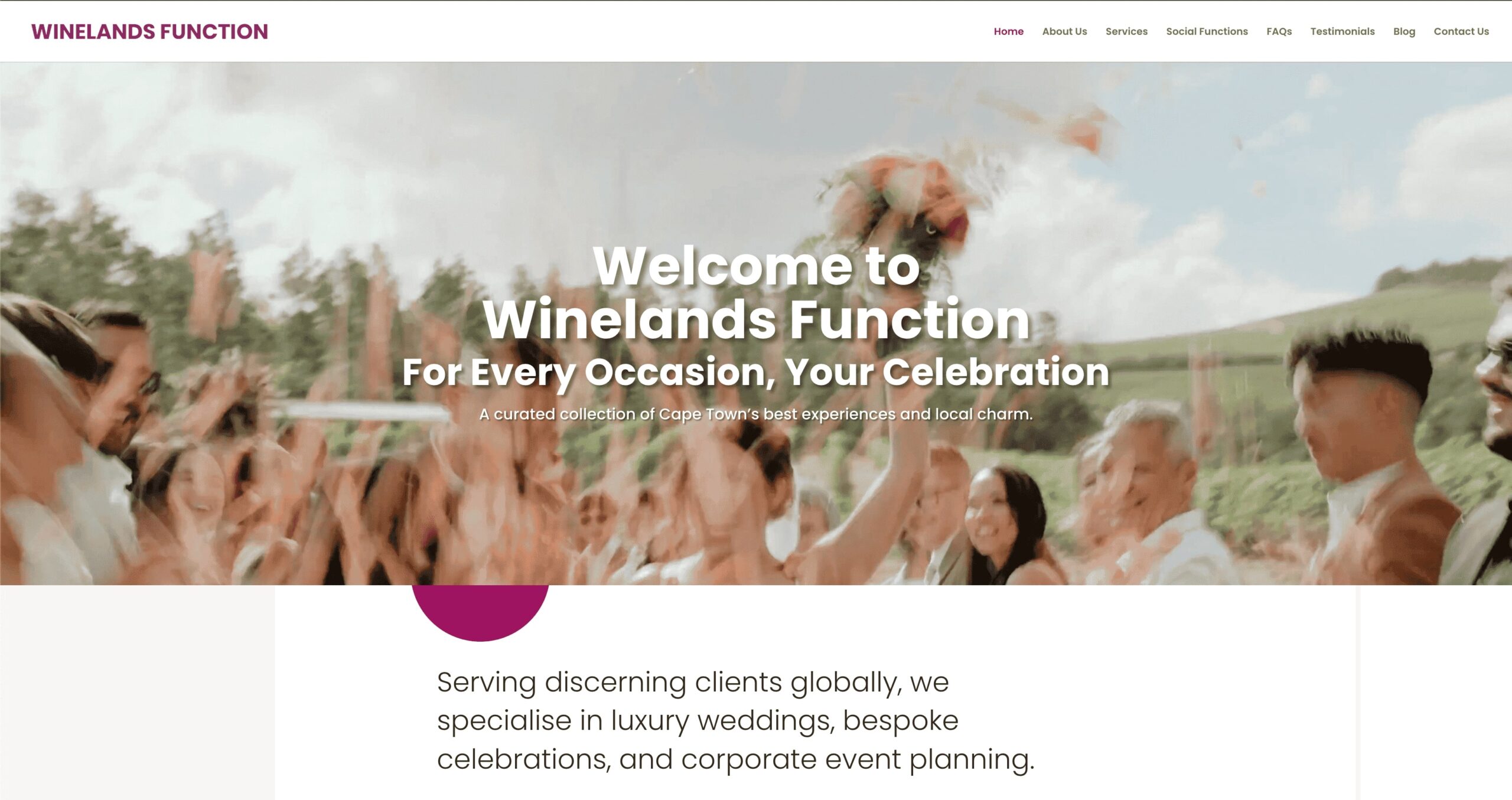
Event planning services can include full wedding planning, corporate functions and launches, and bespoke and luxury celebrations, each built around your specific objectives. These services aim to combine international event planning standards with local expertise to create events that reflect your unique story. If you’re weighing up a corporate launch or a bespoke celebration for 2026, explore our signature services and get in touch to discuss dates and scope for your next event.
Sources
- FAQ on event marketing: How AI-driven traffic declines are fueling a return to live events
- Event marketing: How to build your strategy & connect with customers in real life
- Events are a revenue engine. Here’s what 1,000+ marketers told us | Cvent Blog
FAQ
What are the five P’s of event marketing?
Definitions vary across practitioners, but a common version covers Purpose, Planning, Promotion, Participation and Performance, tracing the arc from objective-setting through to post-event measurement. Each stage maps to the planning framework covered earlier in this article.
What are the five C’s of event marketing?
There’s no single agreed industry standard for “the five C’s” of event marketing, so treat any list you see with some scepticism. The objectives and KPIs outlined above offer a more reliable framework for planning than a memorised acronym.
What are the five roles of marketing at an event?
At a typical event, marketing carries five practical roles: setting the objective, defining the target audience, driving promotion and registration, managing on-site engagement, and owning post-event follow-up and attribution. Winelands Function handles the engagement and follow-up design directly for bespoke and luxury celebrations.
What are the five roles in event management?
Event management typically splits into logistics coordination, supplier and venue management, budget oversight, on-the-day execution, and risk or contingency planning. These sit alongside, but separately from, the marketing roles of objective-setting and lead follow-up described above.
How much does Winelands Function charge for event planning?
Pricing depends on the scale and scope of the event, so current rates for Full Wedding Planning, Corporate Functions and Launches, and Bespoke and Luxury Celebrations are available directly on the Winelands Function signature services page.