
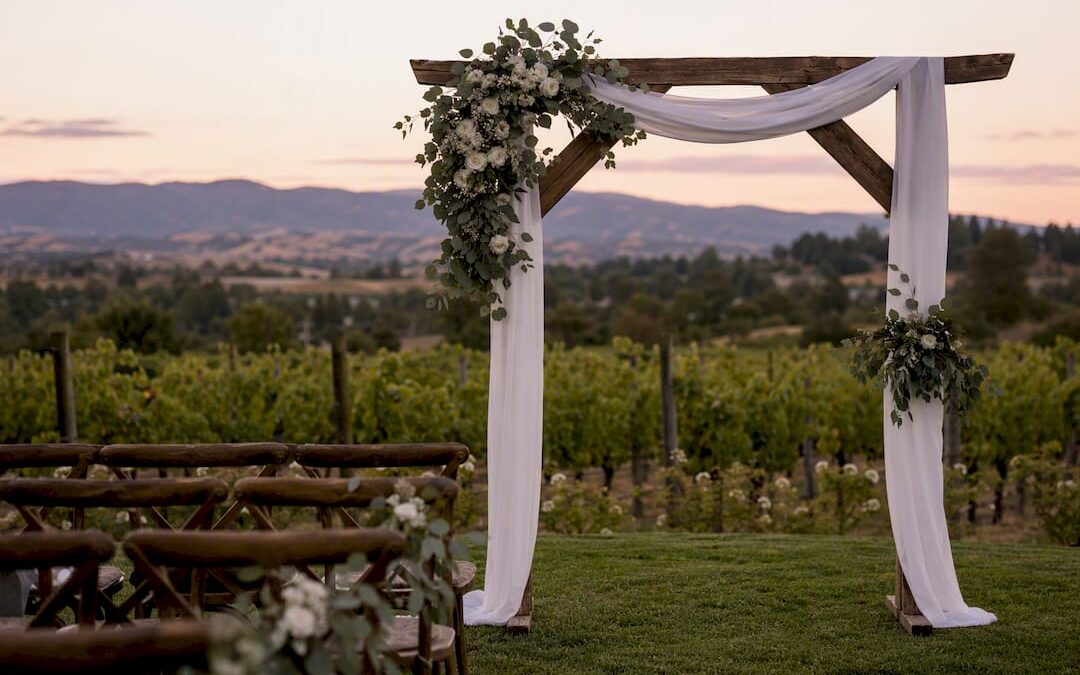
Choose two or three hero décor elements, repeat them across the venue, and you’ll get a polished, elegant look without a designer budget. String lights, eucalyptus greenery, and a scattering of mason jar votives are the trio that appears again and again in the most photogenic budget weddings we see. Pick your heroes, keep the palette narrow, and let those elements do the work in the ceremony space, on the tables, and through the entrance.
The maths backs this up. A full DIY décor plan typically costs $800–2,000 in materials, against several thousand dollars for an equivalent professionally styled package. The gap comes down to one habit: experts advise picking a single splurge area, such as a floral arch or table linen, and keeping everything else deliberately simple.
Here’s where to spend your effort first:
- String lights or fairy lights draped through the reception ceiling or wrapped along a fence line
- Eucalyptus garlands down the centre of long tables
- Mason jars as candle holders or bud vases, clustered in threes
- A single floral or greenery focal point at the ceremony altar
- Bud vases with one or two stems, repeated at every place setting
- Kraft paper or linen table runners in one consistent tone
- A simple entrance moment: lanterns, a sign, or a greenery-wrapped post
- Battery candles or floating candles for evening tables
Winelands Function works with couples across the Cape Town Winelands who want exactly this look, executed without the last-minute stress, and the guidance below reflects what actually holds up on a real build day.
Key Takeaways
Elegant wedding décor on a modest budget comes down to choosing two or three repeated hero elements, one splurge item, and testing everything before build day.
| Point | Details |
|---|---|
| Pick your heroes | Choose two or three elements, such as string lights, eucalyptus, and mason jars, and repeat them everywhere. |
| Follow the one-splurge rule | Spend properly on a single focal element and keep everything else simple and repeated. |
| DIY vs pro cost gap | Full DIY décor runs $800–2,000 in materials against $3,500–10,000+ for an equivalent professional package. |
| Prototype before you commit | Test one table in real venue lighting and photograph it before building the rest. |
| Hire for structural or large-scale builds | Winelands Function handles arches, lighting rigs, and full styling when a build outgrows a DIY weekend. |
Table of Contents
- Simple wedding decorations: a shortlist to work from
- How much should you spend, and what should you DIY?
- Where to put your effort: ceremony, tables, and entrance
- Three DIY projects you can start this weekend
- Getting build day right without last-minute panic
- Sustainable, low-waste decoration choices
- Mistakes that undo an otherwise simple, elegant look
- What this guide gets right that most décor advice misses
- When it’s worth calling in an event planner
- Sources
Simple wedding decorations: a shortlist to work from
You don’t need forty ideas. You need eight or ten that you can actually finish before the wedding week gets chaotic. Below is a shortlist ordered roughly by effort, from lowest to highest.
- Mason jar candle clusters – Group several jars with tea lights or battery candles down each table. Elegance comes from repetition, not the object itself. Easy. £1 to £3 per jar. Five minutes to assemble.
- Eucalyptus table runner – A loose garland of fresh or preserved eucalyptus down the table centre. Reads expensive because of texture and scent. Moderate. a modest amount per table. Twenty minutes per runner.
- String light canopy – Fairy lights strung overhead in a simple grid or swag. This is consistently flagged as the highest-impact, lowest-cost décor upgrade for reception spaces, often cheaper long-term than hiring venue uplighting. Moderate effort, one afternoon for a small team. £40 to £150 for the whole room.
- Bud vase trio – One or two stems per vase, three vases per table. Easy. £2 to £5 per stem.
- Kraft paper menu and place cards – Simple typography, one paper stock. Easy. less than a pound each.
- Dried flower confetti or petal cones – Reusable, no wilting risk. Easy. £20 to £40 for a full guest list.
- Thrifted mismatched frames as table numbers – Dollar-store and thrifted finds photograph beautifully when styled with one consistent colour.
- Greenery-wrapped ceremony arch – Moderate to hard. some tens to a low hundreds in materials, or hire.
For flowers and greenery, grocery-store blooms and bulk eucalyptus can cut centrepiece costs dramatically while keeping the finished look elegant. Faux stems store indefinitely and travel well if you’re building weeks ahead; fresh stock needs cold storage and a two-day window before the event.
How much should you spend, and what should you DIY?
The one-splurge rule works because guests notice one striking thing, not fifteen average things. Pick a single focal element, an arch, a hanging installation, a statement bar backdrop, and spend properly on it. Everything else stays simple and repeats the same materials.
DIY savings are real but bounded. DIY centrepieces and small décor choices typically cut costs by 40 to 70% compared with florist-built versions, but that saving only holds if your time is genuinely free labour and your storage and transport are sorted in advance.
Keep DIY to low-risk categories:
- Signage, place cards, and menus
- Bud vases and jar clusters
- Battery candles and simple garlands
Rent or hire anything structural or electrical:
- Ceremony arches and large floral installations
- String light rigging that needs ladders or venue-specific mounting
- Draping, large backdrops, and anything requiring a permit or venue sign-off
Budget one hour of labour per table for full styling, plus two to three hours for one or two people to handle structural builds like an arch.
Pro Tip: Buy flowers wholesale through a local flower market two to three days out rather than a retail florist. You’ll pay closer to bulk rates and still have time to condition the stems before the big day.
Where to put your effort: ceremony, tables, and entrance
Assigning décor by zone stops you from over-decorating one area and forgetting another.
Ceremony space. One focal point behind the couple, an arch, a wall of greenery, or a simple arrangement on a stand, does the visual heavy lifting. Line the aisle with a repeating small detail: jars, petals, or lanterns every third row rather than every row, which saves both materials and setup time.
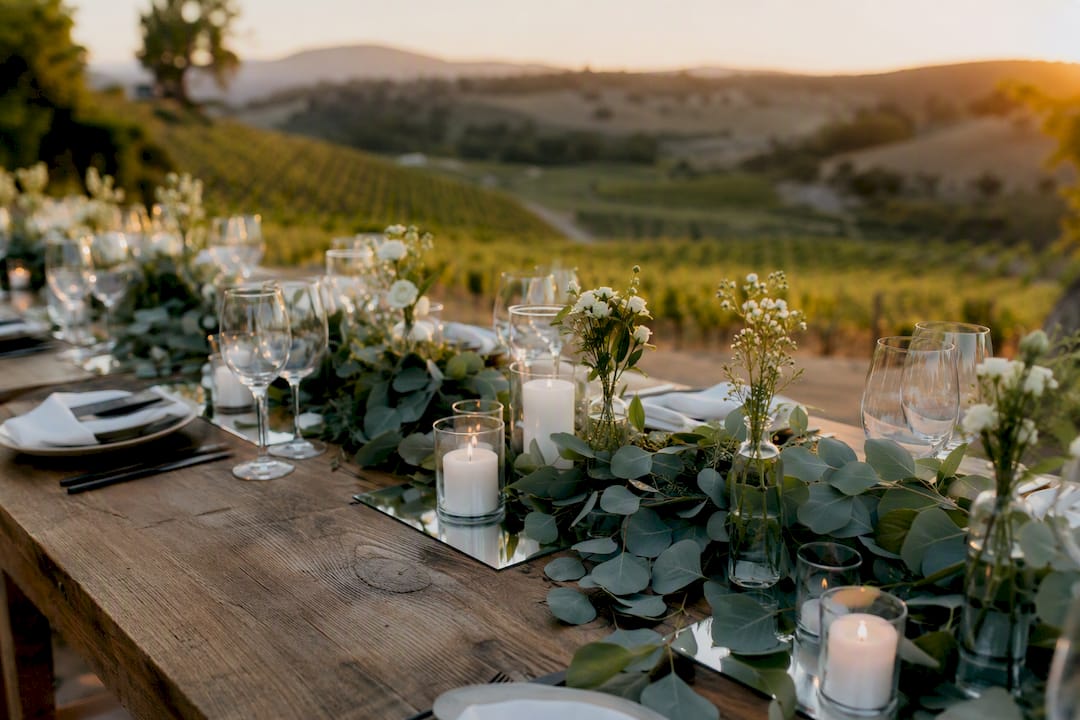
Reception tables. A runner (kraft paper, linen, or eucalyptus) down the centre, bud vases or jar clusters along it, and one low candle cluster per table. Mirrored bases under candles add reflected light without extra spend, roughly £1 to £2 per mirror tile.
Entrance and welcome area. A simple sign, a cluster of lanterns, or a greenery-wrapped post signals “wedding starts here” without a full installation. Fifteen minutes, under a modest sum.
Photo spot. Reuse your ceremony backdrop or arch here rather than building a second structure, string lights behind it add depth in evening photos for almost no extra cost.
Bar and cake table. Small greenery garlands along the table edge and a cluster of jars or candles tie the space back into your main palette without introducing new materials.
Full centrepiece and table styling detail lives in our wedding table decorations guide, which is worth a look if tables are where you want to spend the most creative energy.
Three DIY projects you can start this weekend
These three cover the shortest path from empty table to finished look.
- Floating candle centrepiece. Fill a low glass bowl with water, drop in a floating candle and a few loose petals or eucalyptus leaves. Roughly 2 minutes per piece and $3 to $5 in materials, making it the fastest DIY centrepiece going.
- Greenery runner with fairy lights. Lay a base of eucalyptus stems end to end down the table, then weave a string of fairy lights through the greenery. Build sequence: lay greenery, thread lights, tuck in loose stems to hide wiring. Twenty to thirty minutes per runner, £8 to £20 in materials.
- Simple arch build. A wooden or metal frame wrapped with greenery and a few floral clusters. Materials run £20 to £80 depending on frame size. If your venue has height restrictions, uneven ground, or no storage for a frame beforehand, hire one instead. It’s the one area where DIY risk outweighs the saving.
Getting build day right without last-minute panic
The best-looking simple décor still fails if the build day is disorganised. A short checklist prevents most of the common disasters.
- Prototype one table in the actual venue, under the actual lighting, and photograph it from normal guest-photo distance before you commit to building the rest. A test run in venue lighting reliably catches scale and colour issues that look fine at home but wrong on site.
- Label every box by table number and item, not just “decorations.”
- Assign one clear role per helper, and one person as the floater who fixes problems as they come up.
- Schedule ladder work and anything electrical (string lights, uplighting) early in the day, before tables are dressed underneath them.
- Pack a small repair kit: glue gun, tape, spare candles, zip ties, scissors.
- Check your venue’s flame policy before you commit to real candles; battery versions solve this instantly if open flame isn’t permitted.
Time each step once, then multiply by your table count to know how many helpers you actually need. For the full task order and helper coordination, our wedding decor checklist breaks the day down hour by hour.
Sustainable, low-waste decoration choices
Simple decorations and sustainable decorations tend to be the same thing, because both favour fewer, better materials over disposable extras.
Potted plants and living greenery, rather than cut flowers destined for the bin, can go home with guests or be replanted after the wedding. Eucalyptus in particular dries well, so a garland used fresh at the ceremony can be repurposed as a dried arrangement for a housewarming or anniversary later.
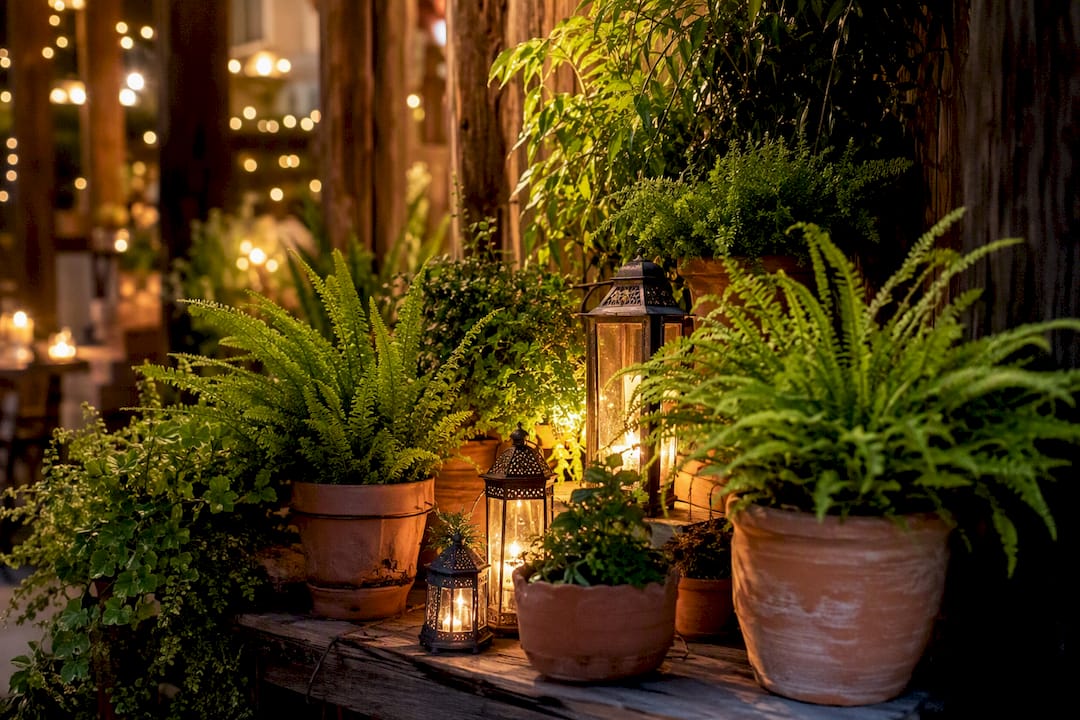
Mixing real and faux stems is a genuinely practical sustainability move, not just a budget one: faux flowers in close-up arrangements save money and can be reused indefinitely, while a smaller quantity of fresh, fragrant blooms goes where guests will actually notice the scent.
Rented items beat single-use ones every time. Glass jars, votive holders, and linen runners hired from a local supplier get used dozens of times across other weddings instead of ending up in a cupboard. Ask local florists about buckets and vases they’ll take back after the event, many will.
Battery candles reduce both fire risk and the paraffin waste of disposable tea lights, and they can be reused at future events. Local sourcing matters too: seasonal, regionally grown flowers from Cape Town’s own flower markets typically require less transport and refrigeration than imported stems, and they tend to look more naturally suited to a Winelands setting anyway.
Mistakes that undo an otherwise simple, elegant look
Most décor failures aren’t about spending too little. They’re about spending unevenly, or skipping the small planning steps that keep a simple look from reading as thrown together.
Too many focal points. Three competing “statement” elements, an arch, a hanging installation, and an elaborate cake table, cancel each other out. Pick one and let the rest recede.
Ignoring the palette. A consistent, narrow colour palette across every element is what makes budget décor read as designed. Mixing five different jar shapes and three clashing greens undoes hours of good work.
Skipping the prototype. Building forty identical centrepieces without testing one first, in the actual room, under the actual lighting, is the single most common cause of a build-day scramble.
Underestimating labour. DIY decorations save money but not time. Assuming friends will “just help on the day” without assigning specific tasks leads to unfinished tables an hour before guests arrive.
Cutting flowers too early. Fresh stems bought a week out will wilt before the ceremony. Order two to three days ahead and condition them properly.
Forgetting venue rules. Open flame, wall fixings, and hanging weight limits catch out more couples than any styling mistake. Confirm restrictions before you buy materials, not after.
What this guide gets right that most décor advice misses
Most wedding décor content treats DIY and hired styling as opposing camps, DIY for the budget-conscious, professionals for the discerning. That framing doesn’t hold up against how weddings actually get built. The couples who end up with the most elegant, coherent-looking décor are usually the ones who DIY the low-risk, repeatable elements and hand off the structural or logistically risky pieces, arches, major lighting rigs, large floral installations, to someone who does this every week.
The conventional advice oversells the savings and undersells the labour. Cutting costs by 40 to 70% on centrepieces sounds decisive until you account for the hours spent sourcing, conditioning, and prototyping, hours most couples don’t have in the final fortnight before their wedding. What the research actually supports is narrower: DIY the small, forgiving items; protect your time budget by handing structural builds to someone with the ladders, insurance, and experience already sorted.
If you take one thing from this guide, prioritise the prototype. Test one table in real venue light before committing to the rest. It costs an afternoon and prevents the single most common build-day disaster.
— Coert
When it’s worth calling in an event planner
Simple décor gets you most of the way there, but some weddings have enough moving parts that DIY starts costing more time than it saves, larger guest counts, venues with tricky access, structural builds like arches or draping, or a ceremony and reception happening in the same space with a tight turnaround. That’s where Winelands Function earns its place: rather than handing you another checklist, we translate the ideas in this guide into a cohesive styling plan, source string lights, eucalyptus, and vessels through our existing supplier network at rates you won’t find retail, and manage the build itself so nobody on your guest list is up a ladder an hour before the ceremony.

Our styling and on-the-day management service covers exactly the gap between “we have good ideas” and “it actually looked like this on the day,” including supplier sourcing, timeline oversight, and coordination with your venue on access and electrical needs. If your wedding involves any structural build, a larger guest list, or a venue with limited setup time, it’s worth hiring rather than DIYing that piece specifically.
Get in touch through our wedding planning services page to discuss your date and get a sense of what a supported, stress-free build day could look like for your venue.
Sources
- Affordable wedding decorations | The Knot
- DIY Wedding Centerpieces on a Budget: Step-by-step | Pix Wedding
- 8 DIY wedding centrepieces you can build on any budget | Design & Dwelling
- Dollar Tree wedding decor ideas | WeddingInside
Recommended
- Wedding on a Budget Tips for Lasting Elegance – Winelands Function – For Every Occasion, Your Celebration
- Stylish wedding decorations on a budget: your UK guide – Winelands Function – For Every Occasion, Your Celebration
- How to Customise Wedding Decor for a Luxurious Event – Winelands Function – For Every Occasion, Your Celebration
- Wedding table decorations: ideas and UK buying guide – Winelands Function – For Every Occasion, Your Celebration