

Hire a specialist African wedding planner who pairs genuine cultural fluency with proven on-the-ground logistics. That combination, not price or proximity alone, determines whether your traditional rites, fusion ceremony, or destination celebration feels authentic and runs smoothly. Before you contact anyone, check two things immediately:
- Portfolio galleries showing real weddings across the traditions you care about, not stock imagery
- Verified testimonials that mention specific ceremonies, not vague five-star praise
Pro Tip: Ask any planner to send three recent gallery links before your first call. If they hesitate, that tells you more than their pitch deck ever will.
For couples ready to move from research to action, Winelands Function offers a sensible starting point for a consultation, particularly if your celebration blends South African venues with West, East, or Central African tradition.
Key Takeaways
Culturally authentic African weddings succeed when planners combine demonstrable tradition-specific experience with reliable on-the-ground logistics and transparent, itemised pricing.
| Point | Details |
|---|---|
| Check portfolios first | Confirm real wedding galleries and specific testimonials before any consultation call. |
| Match services to scale | Full planning, partial planning, and on-the-day coordination suit different budgets and timelines. |
| Book venues and travel early | Destination and large traditional weddings need 12 to 18 months for venues, tenting, and flight blocks. |
| Demand one guest logistics lead | Consolidated transfer, visa, and accommodation coordination prevents day-of fragmentation. |
| Winelands Function offers full-service coordination | Consultation through on-the-day management, suited to destination and culturally specific ceremonies. |
Table of Contents
- What services should an African wedding coordinator provide?
- Which traditions and ceremony formats do planners cover?
- How do you choose the right planner and avoid red flags?
- What do African weddings typically cost and how far ahead should you plan?
- How do planners manage weddings from overseas?
- What should you expect from Winelands Function’s process?
- Consider Winelands Function for full-service, culturally informed planning
- Frequently asked questions
- Sources
What services should an African wedding coordinator provide?
A capable African wedding coordinator offers more than a checklist. Expect a genuine spread of services that flexes to your ceremony’s scale and cultural requirements:
- Full planning, from concept through execution
- Partial planning for couples who have started but need expert finishing
- On-the-day coordination for those managing most details themselves
- Supplier sourcing, including caterers and vendors who understand traditional dishes and dress
- Design and styling that respects colour, fabric, and symbolic meaning
- Catering coordination across multiple courses or ceremony days
- Entertainment booking, from drummers and MCs to modern DJs
- Guest logistics and concierge support for out-of-town or international attendees
Destination and large traditional weddings often need extras: visa support, guest travel blocks, rehearsal management, and coordination across several linked events. Full-service destination packages typically bundle vendor sourcing, legal paperwork, and concierge services into one contract. Entry-level packages generally cover coordination only; mid-tier packages add design; top-tier packages fold in everything from travel logistics to multi-day event sequencing.
Which traditions and ceremony formats do planners cover?
Cultural range matters as much as planning skill. Experienced planners handle West African celebrations, including Nigerian aso ebi and agbada events, Ghanaian engagement and kente ceremonies, East African customs, and Southern African traditions, each with its own protocols around dress, dowry rites, and family roles.

Most African weddings unfold across several days: an engagement or introduction ceremony, traditional rites, a church or civil service, the reception, and sometimes a post-wedding gathering. A planner’s job is sequencing these events so families and guests move between them without confusion or fatigue.

Fusion and interracial weddings raise the stakes further. Blending two or more cultural frameworks demands genuine cultural literacy and a vendor network broad enough to source everything from a specific fabric to a particular officiant, which is precisely why some couples turn to planners who specialise in African or Black weddings rather than generalist coordinators.

How do you choose the right planner and avoid red flags?
Selecting a planner comes down to five criteria, in this order of priority:
- Demonstrable cultural experience with your specific tradition, not general “multicultural” claims
- An established vendor network covering caterers, attire specialists, musicians, and officiants
- Destination logistics capability, if your wedding spans borders
- Clear pricing and contracts, with services itemised rather than bundled vaguely
- Sample timelines showing how they sequence multi-day events
During your first conversation, ask direct questions:
- “Have you planned a wedding for our specific tradition before, and can you share it?”
- “Can you walk me through a sample itinerary for a similar celebration?”
- “May I contact two past clients as references?”
- “How large is your on-site team on the wedding day itself?”
- “What’s your contingency plan if a vendor cancels a week out?”
Red flags are usually obvious once you know what to look for: no visible portfolio, evasive answers about logistics or suppliers, no written package or contract, and an inability to produce references or named local vendor contacts. A planner without a designer-planner approach, meaning someone who separates aesthetic vision from execution planning, often struggles once local supplier constraints hit reality.
What do African weddings typically cost and how far ahead should you plan?
Budgets vary enormously by scale, region, and formality, so treat any fixed figure with suspicion. Smaller destination ceremonies contrast with large multi-day traditional weddings involving many guests; luxury fusion celebrations span both cultures and tend to be driven up by venue exclusivity, imported attire, and extended catering.
Timelines follow a similar logic:
- On-the-day coordination only: a few months’ notice is often enough
- Full planning for a local wedding: several months to about a year
- Destination or large multi-day traditional weddings: about one to one and a half years
The services that eat the most lead time are venue booking, marquee or tenting arrangements, international supplier contracts, and flight and accommodation blocks for guests. Venue pages that cater specifically to African wedding customs often highlight flexible hire terms precisely because traditional ceremonies frequently require external caterers, specific dress protocols, and extended hire windows that standard venue contracts don’t anticipate. Book these elements first, always.
How do planners manage weddings from overseas?
Planning across continents creates a predictable friction point: the gap between the vision you describe on a video call and what actually gets executed on the ground. Experienced planners close that gap by acting as your on-the-ground partner rather than a remote consultant, translating your instructions into decisions with local suppliers who understand context you might miss from abroad.
A dependable remote-planning process includes:
- Regular video walkthroughs of venues and supplier meetings
- Local vendor vetting before any contract is signed on your behalf
- Guest transport and visa support handled centrally, not left to individual guests
- A dedicated on-the-ground lead who is your single point of contact
Pro Tip: Insist on one consolidated guest logistics plan, covering transfers, accommodation, and visas, run by one person on the planning team. Fragmented guest coordination is one of the most common causes of day-of stress, because no single person owns the full picture.
What should you expect from Winelands Function’s process?
Winelands Function follows a straightforward path: an initial consultation to understand your cultural requirements and vision, a detailed proposal outlining services and cost, agreed planning milestones through the months leading up to the day, and full on-the-day management so you’re not troubleshooting logistics in your wedding attire.
When reviewing any planner’s capability, including ours, look for:
- Case studies showing actual cultural ceremonies, not generic styled shoots
- Testimonials that reference specific traditions or destination logistics
- A clear route to request availability, pricing, or a bespoke proposal
If Cape Town or the Western Cape features anywhere in your destination plans, our guide to why couples choose Cape Town is worth reading alongside your enquiry.
Why specialist expertise matters more than convenience
Cultural fidelity and flawless logistics are not separate goals; they succeed or fail together. A planner who understands both spares you the stress of choosing between an authentic ceremony and a smoothly run day.
Consider Winelands Function for full-service, culturally informed planning
Winelands Function gives you one accountable team instead of piecing together a caterer here, a decorator there, and a coordinator who’s never worked a traditional rite before. That matters most when your celebration spans an engagement ceremony, traditional rites, and a reception across several days, because a single planning team keeps every supplier working from the same brief rather than three separate ones.
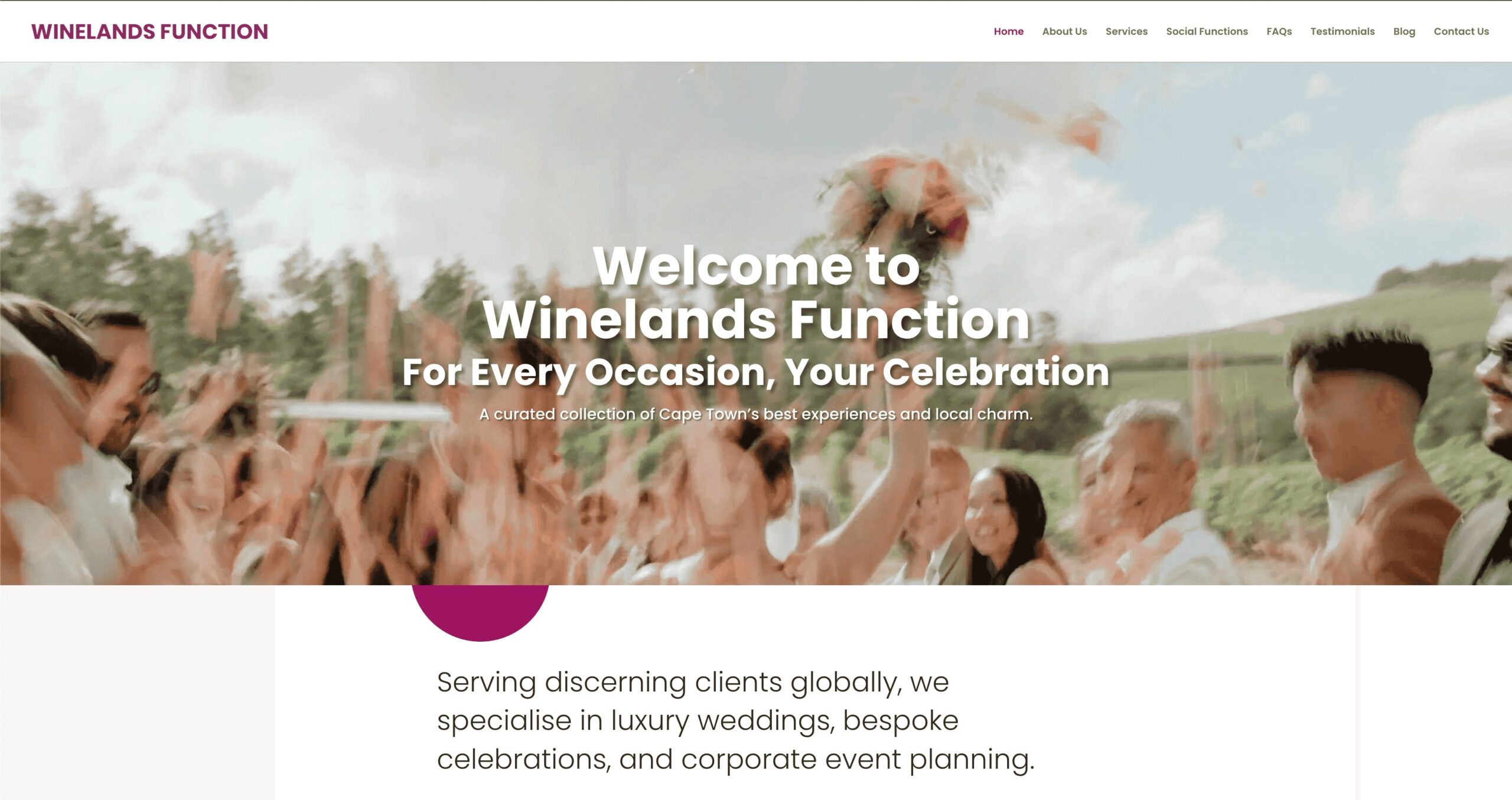
We work with international clients regularly, coordinating destination logistics for couples planning from the UK, the US, and beyond, and we bring the same attention to a Ghanaian kente ceremony as we do to a Cape Town vineyard reception. If you’re ready to see how a bespoke proposal might look for your celebration, explore our bespoke and luxury wedding planning services and request a consultation to discuss your dates and cultural requirements directly.
Frequently asked questions
How much notice do African wedding planners need for a destination wedding?
Most specialists recommend 12 to 18 months for destination or large multi-day traditional weddings, largely because venue booking and international supplier contracts take the longest to secure.
Can African wedding planners handle fusion or interracial ceremonies?
Yes. Planners with broad cultural literacy and established vendor networks routinely blend elements from two or more traditions, sequencing engagement rites, church services, and receptions so each culture is represented fully.
What’s the difference between full planning and on-the-day coordination?
Full planning covers everything from concept to execution, including design and vendor sourcing. On-the-day coordination assumes you’ve handled the planning yourself and need a team to run the wedding day logistics.
How do I verify a planner’s experience with my specific tradition?
Ask for a portfolio showing that exact ceremony type, request client references, and check whether their sample itinerary reflects the correct sequencing of your tradition’s events.
Sources
For deeper vendor research, the I Do In Africa planning guide and specialist planner directories help verify cultural experience and gather references before you commit.
- African Wedding Venue London – Grand Sapphire – Host Now!
- 7 Black Wedding Planners That Should Be On Your Radar
Recommended
- Cape Town Wedding Planner: Elevating Luxury Celebrations – Winelands Function – For Every Occasion, Your Celebration
- Benefits of hiring event planners for Cape Town luxury events – Winelands Function – For Every Occasion, Your Celebration
- Nigerian event planners: a vetted shortlist for 2026 – Winelands Function – For Every Occasion, Your Celebration
- Wedding planning in South Africa: a guide for UK couples – Winelands Function – For Every Occasion, Your Celebration